


Steel Metal Chainmail and Corrosion Resistance
Steel Metal Chainmail and Corrosion Resistance
When you think about chainmail, what comes to mind? Maybe you envision knights in shining armor or a historical reenactment group donning medieval gear. But chainmail isn’t just for history buffs or fantasy fansit has practical, real-world applications too, particularly in industrial settings, cosplay, and even food processing.
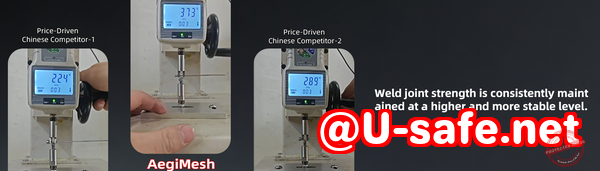
However, as anyone who’s ever purchased chainmail will tell you, it’s not always easy to spot quality from cheap imitations. Chainmail is made from metal rings, and if these rings aren’t welded properly or the material isn’t up to standard, you could be looking at a piece of armor or protective gear that doesn’t hold up in the field. Whether you’re buying for safety, aesthetic purposes, or as part of a collection, knowing what to look for in chainmail is crucial. I’ll walk you through the common problems and show you how to avoid making a bad purchase.
Understanding Chainmail Quality: The Basics
If you’re like most buyers, you’ve probably experienced the challenge of trying to determine whether a chainmail piece is worth your money. Whether it’s for cosplay, industrial use, or food safety, the material, the craftsmanship, and the type of weave can make or break the quality of the product.
I remember when I first started looking into purchasing chainmail for a project. I was confused about what made one piece “better” than another. Did the material really matter? Was the ring structure important? Could I just pick any chainmail, or was I risking safety or durability issues?
I’ve since learned that there’s more to evaluating chainmail than meets the eye. Here are some of the most common pitfalls that buyers face and how you can avoid them:
Common Mistakes in Evaluating Chainmail
-
Welded vs. Open Rings
Not all chainmail is created equal. Some rings are welded, and some are open. You might think, “Why does this matter?” Well, if the rings are open, they can come apart with enough force. That means your chainmail could break during heavy usedefeating the entire purpose of wearing it for protection.
Quick tip: Look for signs that the rings are welded. You can usually spot a welded ring by inspecting the inside of the ring, where the ends will be fused together. If there’s a gap or space between them, it’s not welded.
-
Choosing the Right Stainless Steel Grade
Stainless steel is the go-to material for high-quality chainmail. But there are different grades of stainless steel304 and 316 being the most common.
304 stainless steel is good for general purposes, but it’s more prone to corrosion when exposed to saltwater or harsh environments. 316 stainless steel, on the other hand, is more resistant to corrosion, especially in high-moisture or marine environments.
So, if you’re planning to use your chainmail in a wet environment, or if you’re handling food or working in a high-humidity environment, go for 316 steel. It’s worth the extra investment.
-
Weave Patterns
Not all weaves are created equal. European 4-in-1 is one of the strongest, most durable weave patterns commonly used in high-quality chainmail. This pattern uses four rings to connect each ring, creating a dense structure that offers more protection. If you’re buying chainmail for industrial use or cosplay, the weave pattern will be a critical factor to ensure durability.
Pro tip: Always ask about the weave pattern. For instance, European 4-in-1 is popular for strength, while other weaves may be more decorative or less robust.
Aegimesh Chainmail: Your Go-To Solution
Aegimesh offers a guide and inspection tool to help buyers, collectors, and professionals evaluate chainmail products accurately. Whether you’re looking for chainmail for cosplay, industrial protection, or food handling, knowing how to evaluate the quality will save you from buying a piece that won’t hold up.
Here are some steps to make sure you’re getting a high-quality product:
-
Inspect the Material
Always check if the chainmail is made from the right stainless steel grade. For most protective purposes, 316 stainless steel is your best bet. If you’re looking for a more affordable option and the chainmail will be used in less demanding situations, 304 stainless steel will suffice. Just be aware of the risks involved.
-
Check Ring Welding and Thickness
Inspect the rings closely. Welded rings are more durable and safer than open rings. Look for smooth, clean welds that don’t show gaps or weak spots. Also, pay attention to the wire thickness. Thicker wires mean better durability. A good chainmail product will have wires that feel substantial and solid when held.
-
Evaluate the Weave Pattern
As I mentioned earlier, the European 4-in-1 weave is ideal for strength. Other patterns may look good but won’t provide the same level of protection. If you’re buying chainmail for industrial use or heavy-duty protection, make sure the weave pattern is robust enough for your needs.
-
Perform a Pull Test
This may sound simple, but it’s one of the easiest ways to check the durability of your chainmail. Grab a section of the chainmail and give it a strong pull. If it feels flimsy or easily comes apart, it’s not made to last. A high-quality piece should resist this kind of stress.
-
Look for Signs of Corrosion
While stainless steel is resistant to corrosion, it’s not immune. Look for any signs of rust, discoloration, or unevenness in the rings. Poorly made or low-quality chainmail may show corrosion earlier than expected, especially if it wasn’t properly treated or if low-grade materials were used.
Why Chainmail Quality Matters
Here’s why it’s so important to know how to evaluate chainmail:
-
Safety Concerns: Low-quality chainmail can pose significant risks in industrial settings or food processing. Weak rings or poor welding can lead to failure in critical applications.
-
Durability: Chainmail made from cheap materials or with poor craftsmanship may not withstand the wear and tear of daily use. You’ll end up replacing it more often, which isn’t cost-effective.
-
Money-Saving: By inspecting the quality upfront, you avoid making an expensive mistake. Identifying low-quality chainmail can save you money in the long run.
Conclusion: Make an Informed Chainmail Purchase
When purchasing chainmail, whether for cosplay, industrial use, or safety gear, it’s crucial to understand what makes a quality product. Inspect the material, check the welding, evaluate the wire thickness and ring diameter, and consider the weave pattern.
I highly recommend following these steps to ensure any chainmail purchase meets safety and durability standards. Don’t settle for low-quality or decorative pieces that may not perform as expected. Always prioritize function over form, especially when it comes to protective gear.
To learn more about identifying high-quality chainmail, check out our detailed inspection guide at Aegimesh.
Frequently Asked Questions
1. How can I tell if a chainmail ring is welded or open?
Inspect the inside of the ring closely. If the ends are fused together with no gap, it’s welded. If there’s a small space between the ends, it’s an open ring.
2. Which stainless steel grade is best for long-lasting chainmail?
For industrial use, food handling, or high-moisture environments, 316 stainless steel is the best choice. It’s more resistant to corrosion than 304 stainless steel.
3. How do I inspect the weave pattern for strength?
Look for the European 4-in-1 pattern, which is known for its durability. Each ring connects to four others, creating a strong, tight weave.
4. What are the signs of low-quality or unsafe chainmail?
Look for open rings, poor welding, thin wire, weak weave patterns, or signs of rust. These indicate poor craftsmanship and can compromise safety and durability.
5. Can decorative chainmail be used for protective purposes?
Decorative chainmail often lacks the strength and durability needed for protective use. If you’re buying chainmail for safety or industrial purposes, make sure it’s made for that purpose.
6. How do I choose the right chainmail for industrial vs cosplay use?
For industrial or protective use, focus on the material (preferably 316 stainless steel), welds, wire thickness, and weave pattern. For cosplay, aesthetics might take precedence, but ensure it still meets the necessary durability standards.
Tags or Keywords
-
Chainmail quality
-
Welded rings
-
Stainless steel chainmail
-
Cut-resistant chainmail
-
Chainmail inspection
-
European 4-in-1 weave
-
Chainmail durability




 한국어
한국어  Русский
  Deutsch
  العربية