


Steel Chainmail The Armor of Choice for Medieval Warriors
Steel Chainmail: The Armor of Choice for Medieval Warriors
When you’re looking for chainmail, whether it’s for protection, display, or cosplay, it can be tough to figure out what makes a truly high-quality piece. It’s easy to get overwhelmed by all the options available. How do you know which ones will stand up to the test of time, offer true protection, or even just look the part?
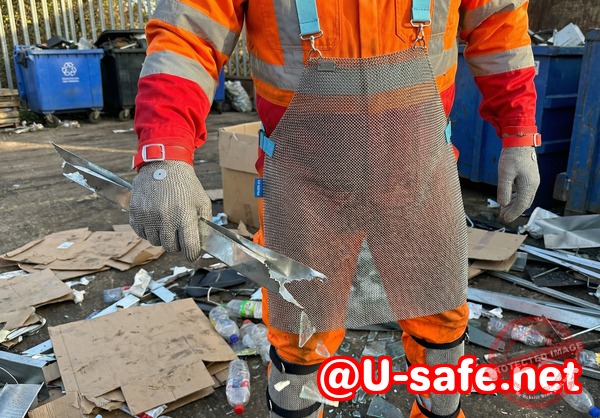
I’ve been there, toowondering if I could trust that seemingly perfect set of chainmail I found online. How do you avoid those common pitfalls of buying low-quality or unsafe chainmail? After all, chainmail isn’t just a decorative piece; it’s a protective tool for some, and a historical artifact for others.
In this article, I’m going to walk you through everything I’ve learned about identifying high-quality steel chainmail and how you can make sure you’re getting a product that’s worth your investment. From welded rings to weave patterns, we’ll break down what matters most when inspecting chainmail.
The Struggle to Identify High-Quality Chainmail
Buying chainmail is tricky. There are so many choices out there, but many of them don’t measure up to expectations. Whether you’re a buyer, a collector, or a professional using chainmail for industrial purposes, knowing what makes a piece high-quality can be difficult.
One of the most common issues I run into is distinguishing between welded rings and open rings. It may sound simple, but this detail can make or break the durability of your chainmail. Even if the price is right, if you get the wrong type of ring construction, your chainmail could fall apart after just a few uses.
And then there’s the material itself. Stainless steel is often the go-to choice, but not all stainless steel is created equal. The difference between 304 and 316 stainless steel can be hugeespecially in terms of corrosion resistance and strength.
So how do you navigate these challenges? It starts with knowing what to look for. Here’s a detailed guide on how to inspect chainmail for quality so you can make informed, safe, and long-lasting purchases.
Step-by-Step Guide to Inspecting Chainmail Quality
The first step in evaluating chainmail is understanding what makes it durable, safe, and truly functional. Here’s how I break it down when I’m shopping for or reviewing chainmail:
1. Inspecting the Rings: Welded vs Open
The most fundamental part of any chainmail piece is the rings. There are two main types of rings: welded and open. Open rings are simply bent into a circle and fastened, while welded rings are joined by heat and pressure, creating a seamless bond.
Why does it matter? Well, welded rings are far more durable and can withstand stress and wear much better than open rings. In fact, I’ve seen low-quality chainmail with open rings fall apart after just a few uses.
Here’s how to check:
-
Look closely at the edges of the rings. If you see a small seam, it’s likely an open ring. If the edges are smooth and continuous, it’s probably welded.
-
Give it a little tug. Welded rings will have much more resistance, while open rings will feel weaker and more likely to separate.
2. Material Check: 304 vs 316 Stainless Steel
Stainless steel is a popular choice for chainmail because it’s durable and resistant to rust. But not all stainless steel is the same. The two most common types used in chainmail are 304 and 316 stainless steel.
-
304 Stainless Steel is great for general purposes but may not have the best resistance to saltwater or chemicals. It’s ideal for decorative uses or light industrial work.
-
316 Stainless Steel offers superior corrosion resistance, making it ideal for heavy-duty applications, especially in marine environments or areas exposed to chemicals.
How to inspect:
-
Ask the seller about the material. A reputable seller should be able to tell you the grade of the stainless steel used.
-
Check for signs of corrosion. If you notice any rust spots or discoloration, it might indicate a lower-grade material like 304 that’s not holding up well under tough conditions.
3. Wire Thickness and Ring Diameter
When inspecting chainmail, wire thickness and ring diameter play crucial roles in its overall strength. Thicker wire means stronger chainmail, but it’s important to strike a balance between thickness and flexibility.
-
Wire Thickness: A thicker wire means more durable, cut-resistant chainmail. However, if the wire is too thick, it can make the chainmail stiff and uncomfortable to wear.
-
Ring Diameter: The inner diameter of the rings affects how tight the weave is and how flexible the chainmail will be. A larger inner diameter can make the chainmail more flexible, but it might reduce its strength.
To check, compare the product with other similar pieces. A reliable chainmail piece will have a consistent wire thickness and ring diameter throughout.
4. Weave Patterns: European 4-in-1
The weave pattern is a key indicator of strength. The European 4-in-1 weave is one of the most common patterns used in high-quality chainmail. In this pattern, each ring passes through four other rings, creating a tightly woven mesh that’s highly resistant to cuts and abrasions.
How to check the weave:
-
Inspect the rings to ensure they are all woven consistently. If the weave feels loose or uneven, it might indicate poor craftsmanship.
-
Check the edges of the chainmaila properly woven piece should feel smooth and secure.
Why Chainmail Inspection Matters
So why should you care about all these details? Here are a few reasons:
-
Safety: Poorly constructed chainmail can compromise your safety, especially in industrial or food-processing settings where cut-resistant materials are essential.
-
Durability: Quality chainmail lasts longer, saving you money in the long run. If the product is weak, it may wear out quickly and require replacement.
-
Reliability: When you know what to look for, you can avoid wasting money on low-quality items that don’t meet your expectationswhether it’s for cosplay, a historical replica, or functional protection.
Recap: How to Identify High-Quality Chainmail
To sum it up, here’s a quick checklist for inspecting chainmail:
-
Welded Rings: Always check if the rings are welded for strength.
-
Stainless Steel Grade: Opt for 316 stainless steel for the best durability and corrosion resistance.
-
Wire Thickness and Ring Diameter: Ensure consistent thickness and proper flexibility.
-
Weave Patterns: Look for tight, consistent weaves, particularly European 4-in-1.
By following these steps, you’ll be able to make a more informed decision and choose the chainmail that’s right for your needs.
Conclusion: Making an Informed Choice
I can’t stress enough how important it is to inspect chainmail before purchasing. The last thing you want is to buy a piece that’s unsafe, unreliable, or just doesn’t stand up to the test of time. Whether you’re using chainmail for professional protection or simply as a display piece, knowing what to look for ensures you’re getting the best.
I highly recommend following these inspection steps to ensure that any chainmail purchase meets safety and durability standards. If you’re in the market for high-quality chainmail, don’t settle for anything less. Learn more about identifying high-quality chainmail products on Aegimesh’s website.
FAQ
How can I tell if a chainmail ring is welded or open?
Welded rings are seamless with smooth edges, while open rings have a visible seam where they’re fastened. You can also gently tug on them to feel the difference in strength.
Which stainless steel grade is best for long-lasting chainmail?
316 stainless steel offers superior corrosion resistance and is the best option for long-lasting, durable chainmail, especially in industrial or marine environments.
How do I inspect the weave pattern for strength?
Look for tight, consistent weaves with no loose or uneven rings. The European 4-in-1 weave is especially known for its strength and durability.
What are the signs of low-quality or unsafe chainmail?
Weak rings, inconsistent weaves, corrosion, and open rings are all signs of poor-quality chainmail that may not offer adequate protection.
Can decorative chainmail be used for protective purposes?
Decorative chainmail, while beautiful, may not provide the same durability or strength as chainmail designed for protection. Always inspect the quality before using it for safety.
How do I choose the right chainmail for industrial vs cosplay use?
For industrial use, prioritize durability, corrosion resistance (316 stainless steel), and cut-resistance. For cosplay, comfort and appearance may be more important, though checking the weave and material quality is still crucial.
Tags or Keywords
-
chainmail quality
-
welded rings
-
stainless steel chainmail
-
cut-resistant chainmail
-
chainmail inspection
-
European 4-in-1 weave
-
steel metal chainmail durability
Explore Aegimesh Chainmail Software at: https://www.aegimesh.com/




 한국어
한국어  Русский
  Deutsch
  العربية