


Single Metal vs Composite Materials in Chainmail
Single Metal vs Composite Materials in Chainmail
When it comes to chainmail, whether for protection, display, or cosplay, the material you choose can make all the difference. Imagine you’re in the market for a piece of protective chainmail, maybe for industrial work, or you want something for a costume that won’t fall apart halfway through the event. The choice between single metal and composite materials can be confusing. What if you pick the wrong one? The quality might not be up to par, leaving you disappointed or worse, exposed to risk.
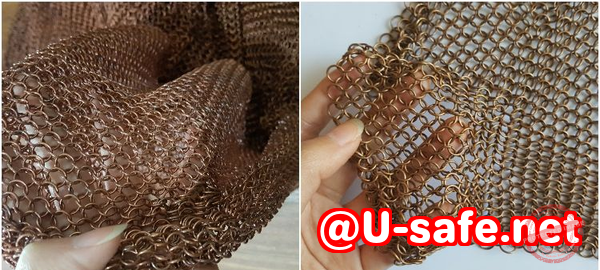
Let’s explore the differences between single metal and composite materials in chainmail, how to evaluate their quality, and how to make sure you’re buying the best option for your needs.
The Chainmail Dilemma
When I first started buying chainmail for both personal and professional use, I had no idea how many factors played into the overall quality. One of the most common questions I faced from buyers was, “How do I know if the chainmail I’m buying is the real deal?” And I completely understood the concern. Whether you’re a collector, cosplayer, or working in an industrial field that requires protective gear, it’s essential to know how to evaluate the materials before making a purchase.
Pain Points When Choosing the Right Chainmail
There are several hurdles to navigate when it comes to picking the right chainmail. Below, I’ll outline the most common issues buyers face:
-
Single Metal vs Composite Material Confusion
-
Single metal chainmail is made entirely of one type of metal, such as stainless steel. It’s durable and can handle stress well, but the material choices are more limited. Composite materials, on the other hand, combine metals (or even include non-metal elements like plastic or synthetic fibers) to enhance certain properties like flexibility, weight, or cost-effectiveness.
-
If you’re after durability and long-term use, particularly in industrial settings, single metal chainmail (like stainless steel) is often the best choice. But if you’re looking for a lighter, more flexible option for things like cosplay, composite materials might suit you better.
-
-
Distinguishing Welded Rings from Open Rings
-
One of the first things you’ll encounter when evaluating chainmail is whether the rings are welded or open. Welded rings are much more durable and reliable, especially when you need the chainmail to perform under stress (like in industrial or protective use). Open rings are cheaper and can fall apart over time.
-
Aegimesh Chainmail offers welded rings, ensuring that you’re getting a high-quality, long-lasting product that won’t fail you in critical situations.
-
-
Choosing the Right Stainless Steel
-
Not all stainless steel is created equal. The two most common grades used in chainmail are 304 and 316 stainless steel. While 304 stainless steel is resistant to rust and corrosion, 316 stainless steel offers superior resistance to chloride corrosion, making it a better choice for environments exposed to harsh conditions like saltwater or high levels of humidity.
-
Choosing the right grade depends on your specific use case. For everyday wear or light protection, 304 might be sufficient. But for industrial use or environments prone to corrosion, 316 stainless steel is the better option.
-
-
Evaluating Weave Patterns for Strength
-
The European 4-in-1 weave is a popular pattern that provides strength and flexibility. It’s used widely in both protective chainmail and historical replicas. If the weave pattern is inconsistent or poorly executed, it can significantly impact the strength and longevity of the chainmail.
-
The more consistent and tight the weave, the better the chainmail’s ability to resist wear and tear.
-
Step-by-Step Guide to Inspecting Chainmail Quality
Now that you know the most common challenges, let’s dive into how you can inspect chainmail to ensure you’re getting the quality you deserve. Whether you’re buying for industrial use, cosplay, or as part of a historical replica collection, these tips will help you make an informed choice.
-
Material Type: 304 vs 316 Stainless Steel
-
Start by checking the material. If you’re buying chainmail for protection or heavy-duty use, you’ll want 316 stainless steel due to its added corrosion resistance. If the chainmail is more decorative or for cosplay, 304 stainless steel is often a good choice.
-
-
Inspect the Rings for Welded vs Open
-
Look closely at the rings: Are they welded or open? If you can see a gap or unconnected ends, it’s likely open-ring chainmail. As mentioned earlier, welded rings are far more durable and should be your go-to for high-quality, reliable chainmail.
-
-
Ring Thickness and Inner Diameter
-
Check the wire thickness of the rings and the diameter of the inner hole. Thicker wires generally indicate stronger, more durable chainmail, while the inner diameter affects how tight or loose the weave will be.
-
For industrial protection, look for a wire thickness that’s strong enough to resist cuts, but not so thick that it becomes too heavy to wear comfortably.
-
-
Weave Patterns
-
The most common weave for strength and flexibility is the European 4-in-1. Each ring in this pattern is woven through four others, which provides a high level of protection. If the rings are woven inconsistently or loosely, the chainmail will be weaker and more prone to breakage.
-
Why Proper Inspection Matters
Proper inspection ensures that you avoid buying low-quality or unsafe chainmail. Here’s why that’s crucial:
-
Industrial Use: In industries like food processing or metalworking, chainmail provides a crucial barrier against cuts and abrasions. Poor-quality chainmail can easily fail, leaving workers vulnerable to injury.
-
Cosplay and Historical Replicas: If you’re investing in a piece for cosplay or historical reenactment, you’ll want it to last through multiple uses. Low-quality chainmail might look good in the short term but will wear out quickly.
-
Cost Savings: Identifying low-quality products before you buy saves you money in the long run. There’s nothing worse than purchasing chainmail, only to find out it’s not durable or safe for your intended use.
Practical Tips for Identifying Quality Chainmail
-
Pull Test: Give the rings a gentle tug. If the chainmail is well-made, the rings should stay firmly in place. If you feel any give or movement, the weave may be weak.
-
Corrosion Signs: Stainless steel should resist rust, but it’s always good to double-check. Look for any signs of tarnishing or corrosion, especially around the rings and welds.
-
Proper Fit: For wearable chainmail, like for cosplay or protection, make sure the fit is comfortable. Too tight, and you might feel restricted; too loose, and the chainmail could become ineffective in protecting you.
Conclusion: The Key to Quality Chainmail
When shopping for chainmail, it’s important to take the time to evaluate the quality of the materials and craftsmanship. I highly recommend following the steps above to ensure your chainmail is safe, durable, and suited for your needs.
If you’re ready to learn more about identifying high-quality chainmail, head over to our Aegimesh Chainmail Inspection Guide. Whether you’re buying for work, cosplay, or a collection, knowing what to look for will help you make informed decisions that save you time, money, and potential risk.
Frequently Asked Questions
1. How can I tell if a chainmail ring is welded or open?
-
Welded rings will have a noticeable seam where the ends meet, and they’ll be much sturdier than open rings, which may have visible gaps.
2. Which stainless steel grade is best for long-lasting chainmail?
-
316 stainless steel is ideal for durability and corrosion resistance in harsh conditions, while 304 stainless steel is a great option for everyday wear or decorative pieces.
3. How do I inspect the weave pattern for strength?
-
Look for consistent, tight weaving where each ring is securely connected to four others (in the case of European 4-in-1 weave). A loose or inconsistent weave will weaken the chainmail.
4. What are the signs of low-quality or unsafe chainmail?
-
Look for poorly welded rings, weak/weaving, signs of corrosion, and low-quality materials (like thin wire or open rings).
5. Can decorative chainmail be used for protective purposes?
-
Decorative chainmail might look great, but it’s typically not as strong as chainmail made for protection. If you need safety, look for high-quality, welded ring chainmail made from 316 stainless steel.
6. How do I choose the right chainmail for industrial vs cosplay use?
-
For industrial uses, go for heavier, welded ring 316 stainless steel chainmail with a tight, strong weave. For cosplay, you can opt for lighter 304 stainless steel or even composite materials, depending on the look and comfort you want.
Tags:
chainmail quality, welded rings, stainless steel chainmail, cut-resistant chainmail, chainmail inspection, European 4-in-1 weave





 한국어
한국어  Русский
  Deutsch
  العربية