


Ring Mesh vs Chainmail Which One Offers More Breathability
Ring Mesh vs Chainmail: Which One Offers More Breathability?
When it comes to protective gear, chainmail and ring mesh are often used interchangeably, but they serve very different purposes depending on your needs. Whether you’re in the market for industrial protection, food handling, cosplay, or even historical replicas, understanding the differences between these two materialsespecially their breathabilitycan save you a lot of frustration. Let’s dive into how to identify high-quality chainmail and what factors like breathability, material type, and durability should influence your decision-making process.
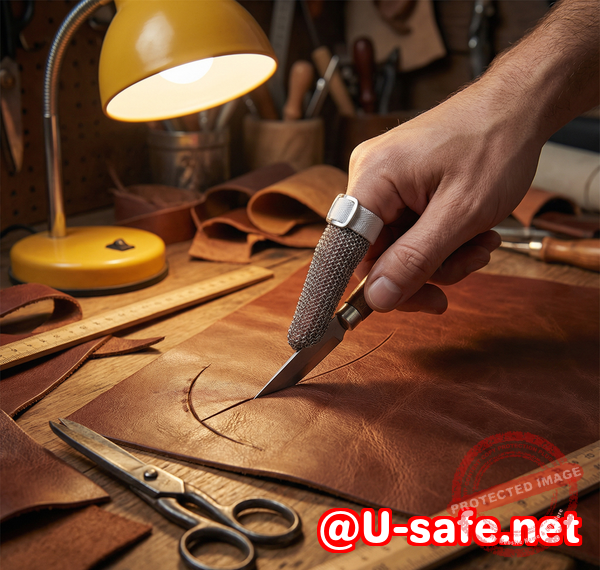
How Chainmail Can Make or Break Your Project
I’ve heard from many buyers, collectors, and even industrial users who struggle with finding quality chainmail. They often come to me saying things like, “I want chainmail for my cosplay, but I’m worried about durability,” or “I need industrial-grade protection, but I don’t know how to tell if it’s safe.” These are valid concerns, especially when you’re faced with a variety of products that all look similar at first glance.
Chainmail, especially high-quality pieces like Aegimesh, can be an investment, so you need to know how to evaluate it properly. In this article, I’ll walk you through some common pain points and offer practical advice on how to spot high-quality, breathable chainmail that will perform as expected.
The Trouble with Low-Quality Chainmail
When I first started working with chainmail, I made the mistake of buying cheap, mass-produced pieces that looked good on the surface but didn’t deliver when it came to actual performance. Over time, I learned that the key to finding quality chainmail lies in understanding its structure and the materials used.
Here are some common issues you might face:
-
Welded Rings vs. Open Rings: It’s easy to confuse these two. Open rings are weaker, while welded rings are far more durable and provide better protection.
-
Stainless Steel Confusion: Not all stainless steel is made the same. Chainmail made from low-grade steel will corrode faster and offer less protection, especially in food processing or industrial environments.
-
Weak Weaves: A poor weave can drastically reduce the effectiveness of the chainmail. Even something as seemingly simple as the European 4-in-1 weave can vary greatly in quality.
These pain points are why it’s crucial to inspect your chainmail before making a purchase. Let’s take a closer look at how you can do this.
How to Inspect Chainmail Quality
1. Material Type: 304 vs 316 Stainless Steel
The first thing you need to check is the material. Stainless steel is the most common metal used for chainmail, but not all stainless steel is created equal. The two most popular grades are 304 and 316. Here’s the difference:
-
304 Stainless Steel: More affordable but less resistant to corrosion. It’s best suited for decorative or cosplay chainmail where exposure to moisture isn’t a concern.
-
316 Stainless Steel: This is your go-to choice for industrial uses, especially in food handling or environments exposed to moisture. It’s more resistant to corrosion and offers better durability.
2. Welded vs. Open Rings
Next, check the rings. Welded rings are stronger because they are fused together, while open rings can easily separate, making your chainmail less effective. To check, simply look at the rings under good lighting. If you see a visible seam or gap where the rings meet, you’re dealing with open rings.
For industrial or protective use, always opt for welded rings. For decorative pieces, welded rings are still the better choice as they’ll last longer and won’t lose their structure easily.
3. Wire Thickness and Inner Diameter
Wire thickness plays a huge role in durability. Thicker wire makes for stronger chainmail, while thin wire can bend and break more easily. Check the gauge of the wire by comparing it to other pieces if possible.
The inner diameter of the rings is also crucial. If the rings are too large or too small, the weave can become loose, compromising the overall strength of the chainmail. The ideal diameter will vary based on the use, but always ensure the rings are consistent in size.
4. Weave Patterns: European 4-in-1 for Strength
Weave patterns affect the structural integrity of the chainmail. The European 4-in-1 weave is one of the most common and reliable weaves used for chainmail. In this pattern, each ring passes through four other rings, providing a strong and flexible structure.
You can visually inspect the weave to make sure it’s tight and uniform. A loose weave can significantly reduce the effectiveness of the chainmail, especially if it’s used for protection.
Benefits of Proper Chainmail Inspection
You might wonder, “Why bother inspecting chainmail so thoroughly?” The benefits are clear:
-
Safety: For industrial or food-processing chainmail, inspecting for corrosion resistance and proper weaves could mean the difference between safety and disaster. If you’re using chainmail to protect against cuts or abrasions, any weakness in the weave or material can lead to injury.
-
Durability: High-quality chainmail lasts longer. If you’re buying for cosplay, a high-quality weave ensures your costume will hold up to wear and tear.
-
Cost Savings: A little time spent inspecting chainmail can save you a lot of money in the long run. Avoid buying cheap, low-quality products that won’t last or meet your safety needs.
Practical Tips for Evaluating Chainmail
Here are some simple steps you can follow when inspecting chainmail:
-
The Pull Test: Gently pull on the rings of the chainmail. If the rings come apart easily, it’s a sign the welds are weak or the rings are open.
-
Check for Signs of Corrosion: Look for any discoloration or rust. Stainless steel chainmail should not rust or corrode, but low-quality pieces may show signs of this after a short period of exposure to moisture.
-
Examine the Weave: Ensure the rings are consistently woven, with no loose spots or gaps. A well-woven piece should be flexible but tough to tear apart.
Conclusion: Making Informed Chainmail Purchases
I highly recommend following these inspection methods when buying chainmail. Whether you’re purchasing for industrial safety, cosplay, or a historical replica, understanding the key factors like material type, welds, and weave patterns ensures you’re getting a product that meets your needs. High-quality chainmail may cost more initially, but it will last longer and perform better.
To learn more about identifying top-notch chainmail, check out Aegimesh’s detailed guide on chainmail inspection.
FAQ
How can I tell if a chainmail ring is welded or open?
Welded rings will have no visible gap, while open rings will show a seam where the ends of the wire meet. Simply inspect under good lighting.
Which stainless steel grade is best for long-lasting chainmail?
316 stainless steel is ideal for industrial use and exposure to moisture, while 304 stainless steel is suitable for decorative or cosplay purposes.
How do I inspect the weave pattern for strength?
Check for uniformity in the weave. The European 4-in-1 weave is one of the most durable and reliable patterns, providing strength and flexibility.
What are the signs of low-quality or unsafe chainmail?
Look for weak or inconsistent welds, rust, poor weaving, and thin wire. Low-quality chainmail may also be brittle and break easily.
Can decorative chainmail be used for protective purposes?
While decorative chainmail is often made with open rings and thinner wire, it may not offer sufficient protection. For safety, opt for industrial-grade, welded ring chainmail.
How do I choose the right chainmail for industrial vs. cosplay use?
For industrial use, focus on chainmail with welded rings and 316 stainless steel. For cosplay, you can opt for more affordable options made from 304 stainless steel, but ensure the rings are welded for durability.
Tags or Keywords
-
chainmail quality
-
welded rings
-
stainless steel chainmail
-
cut-resistant chainmail
-
chainmail inspection
-
European 4-in-1 weave




 한국어
한국어  Русский
  Deutsch
  العربية