


Ring Mesh The Key to Superior Mesh Boning Apron Protection
Ring Mesh: The Key to Superior Mesh Boning Apron Protection
When it comes to selecting chainmail products for protection or display, I often hear from people who are unsure how to spot high-quality options. Whether you’re in the market for chainmail to protect against cuts in an industrial setting, or you’re looking to display a historical replica, the question remains: How do you ensure you’re buying the best, safest chainmail? It’s a problem that a lot of buyers, collectors, and industrial users face, and it’s more complicated than you might think.
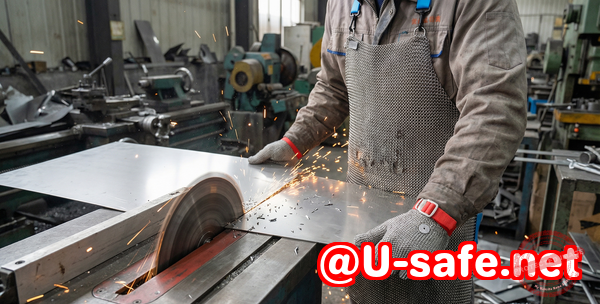
Many chainmail products look the same at first glance, but there’s a significant difference between high-quality pieces and subpar ones that may fail under pressure. This guide will take you step by step through the process of evaluating chainmail, focusing on welded rings, material grade, weave patterns, and more, so you can make informed, confident decisions every time.
Common Pain Points When Evaluating Chainmail
For many people, the challenge of identifying genuine, high-quality chainmail can be overwhelming. The world of mesh protection is vast, with various grades of steel, weave types, and construction methods. Here are some of the most common pain points:
-
Welded vs. Open Rings: Not all chainmail is created equal. While welded rings provide added strength and durability, open rings can compromise the structural integrity of the product. It’s essential to know how to differentiate between the two.
-
Stainless Steel Grade Confusion: With terms like 304 and 316 stainless steel floating around, how can you tell which grade is best for your needs? Understanding corrosion resistance and durability is crucial for industrial or food-handling environments.
-
Weave Patterns: A chainmail’s weave plays a significant role in its strength and flexibility. While European 4-in-1 is a common and reliable pattern, some products may feature weaker weaves that could easily break under pressure.
-
Weak or Inconsistent Craftsmanship: Poorly constructed chainmail with inconsistent wire thickness, incorrect ring diameters, or rough edges can lead to failures when the product is put to use. Whether you’re wearing it for cosplay or using it for industrial cut protection, durability is key.
How to Inspect and Evaluate Chainmail Quality
When you’re looking to invest in high-quality chainmail, there are a few key factors to consider. Here’s a simple guide to help you assess each of these areas to ensure you’re buying a durable, safe product:
1. Material Type: 304 vs. 316 Stainless Steel
Not all stainless steel is the same. Chainmail made from 304 stainless steel is common and generally resistant to corrosion in most conditions. However, if you’re looking for chainmail that will stand up to more aggressive environments (like high-humidity or marine settings), 316 stainless steel is the better choice. It’s more resistant to corrosion, making it perfect for industrial environments and food processing.
To check the material, look for product descriptions that specify the grade of steel. If you’re unsure, a simple magnet test can help304 steel is magnetic to a certain degree, while 316 is typically non-magnetic.
2. Ring Welding
The type of rings used in chainmail directly affects its durability. Welded rings are significantly stronger than open rings, and they hold up better under stress and wear. When inspecting chainmail, carefully examine the rings to see if they are welded shut or if they appear to be open (which could lead to eventual breakage).
One quick test is to lightly pull the rings apart (if possible). A high-quality chainmail made from welded rings should remain intact with no visible gaps.
3. Wire Thickness and Inner Diameter
Chainmail rings come in various thicknesses and diameters, and both of these factors affect the strength and flexibility of the product. Generally, thicker wire is more durable, but it can also reduce the flexibility of the chainmail. It’s a trade-off between protection and comfort.
When inspecting, check the wire thickness, which should be consistent across all rings. Also, make sure the inner diameter of each ring is uniform, as irregularities here could indicate poor craftsmanship.
4. Weave Patterns (e.g., European 4-in-1)
The weave pattern is perhaps one of the most important elements in determining the strength and flexibility of chainmail. European 4-in-1 is a popular and effective pattern, where each ring passes through four others, creating a dense, sturdy structure.
When evaluating a piece, check that the weave is consistent throughout. If the weave looks loose or irregular, it’s likely to be weaker and more prone to breaking under stress.
5. Corrosion Resistance
It’s essential to check for signs of corrosion, especially in chainmail intended for food processing or other industrial applications. Even high-quality stainless steel can rust if it’s exposed to harsh conditions, so make sure your chainmail shows no signs of discoloration or pitting. If the metal looks dull or has any visible rust, it’s best to avoid purchasing it.
Why Proper Chainmail Inspection Matters
Taking the time to properly evaluate chainmail may seem like a hassle, but it’s a crucial step in ensuring you get your money’s worth and, more importantly, ensure safety. Here are the benefits:
-
Safety First: For industrial or food-handling uses, weak or poorly made chainmail could lead to injury or compromise hygiene. Proper inspection helps avoid unsafe products that could cause harm.
-
Longevity and Durability: High-quality chainmail can last a long time, offering better value for money. Low-quality items, on the other hand, may break down quickly, costing you more in the long run.
-
Avoiding Waste: Whether you’re a collector or cosplayer, knowing what to look for helps you avoid purchasing decorative chainmail that looks nice but won’t hold up under any real stress.
Practical Tips for Evaluating Chainmail
To make sure you’re buying the best chainmail for your needs, here are a few additional tips to help you assess quality:
-
Perform a Pull Test: Gently pull on individual rings to check their stability. High-quality chainmail should resist separation.
-
Look for Corrosion Signs: Even minor rust or oxidation should raise red flags. Ensure that your chainmail looks polished and shows no signs of wear or damage.
-
Check for Consistency: Inspect the wire thickness, ring diameter, and weave pattern for uniformity. Inconsistent features often signal poor craftsmanship.
-
Know the Use Case: Depending on your intended use (industrial protection, food processing, cosplay, etc.), choose the chainmail that matches the required durability and flexibility.
Conclusion
After following these steps, you’ll be better equipped to identify high-quality chainmail that offers the protection, durability, and aesthetic appeal you need. Whether you’re purchasing for industrial use or cosplay, it’s essential to understand the product you’re buying, so you don’t waste money or risk safety.
I highly recommend using these inspection methods to ensure your chainmail meets the necessary standards for both safety and longevity. Don’t compromise when it comes to qualitymake sure you get the best protection available.
Learn more about identifying high-quality chainmail products: Aegimesh Chainmail Inspection Guide
FAQ
1. How can I tell if a chainmail ring is welded or open?
Look closely at the rings. If the ends are visibly sealed, it’s a welded ring. If the ends are open, it’s not welded.
2. Which stainless steel grade is best for long-lasting chainmail?
For most applications, 304 stainless steel works well. However, for marine or highly corrosive environments, 316 stainless steel is more durable.
3. How do I inspect the weave pattern for strength?
Check for consistency in the weave. European 4-in-1 is one of the strongest patterns, with each ring passing through four others. Ensure the pattern is tight and uniform.
4. What are the signs of low-quality or unsafe chainmail?
Signs include irregular ring shapes, open rings, inconsistent wire thickness, or visible signs of corrosion.
5. Can decorative chainmail be used for protective purposes?
Decorative chainmail is generally not strong enough for protective purposes. It’s made for display and aesthetic purposes rather than durability.
6. How do I choose the right chainmail for industrial vs cosplay use?
For industrial use, focus on strong, welded rings made from 316 stainless steel. For cosplay, aesthetic quality and comfort might be more important, but durability still matters.
7. How can I test the durability of a chainmail product before using it?
Perform a simple pull test on individual rings and look for any signs of weakness or instability.
Tags/Keywords: chainmail quality, welded rings, stainless steel chainmail, cut-resistant chainmail, chainmail inspection, European 4-in-1 weave




 한국어
한국어  Русский
  Deutsch
  العربية