


Protecting Your Skin Which Provides Better ProtectionRing Mesh or Chainmail
Protecting Your Skin: Which Provides Better Protection Ring Mesh or Chainmail?
When you’re in the market for protective gear, especially something as specialized as chainmail, it can be overwhelming trying to figure out what provides the best protection. Whether you’re buying for industrial use, cosplay, or just as a collector, you want to make sure you’re investing in high-quality, durable chainmail that will do the job. After all, it’s not just about looking cool or historical accuracy; it’s about ensuring that what you’re wearing actually works.
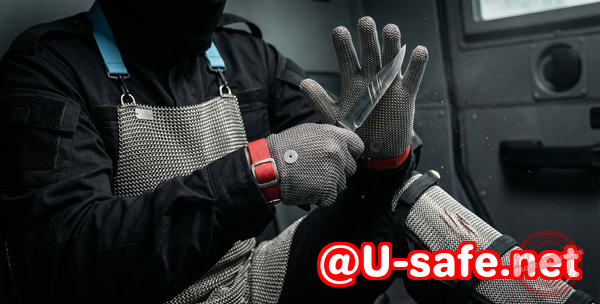
I’ve been through my fair share of chainmail products, and one thing that always comes up is the dilemma between ring mesh and traditional chainmail. So, let’s take a closer look at the differences and how you can tell if you’re getting something that’s worth your money. Because when it comes to protecting your skinwhether from industrial cuts, cosplay mishaps, or just pure curiosityyou don’t want to be fooled by low-quality chainmail.
Common Pain Points When Evaluating Chainmail Quality
As someone who has been involved in buying, selling, and using chainmail for both personal and professional purposes, I know how tricky it can be to distinguish high-quality chainmail from low-quality or decorative versions. It’s not always obvious at first glance, and many people make the mistake of assuming all chainmail is the same.
Here are a few common issues I’ve encountered:
-
Welded vs. Open Rings: The first thing that often throws people off is the ring construction. Not all rings are made the same. A welded ring is far stronger and more durable than an open ring, but open rings are often found in decorative or low-quality products. If you can’t tell the difference, you’re risking getting a weaker, more fragile piece of chainmail.
-
Material Confusion: Another challenge is understanding which type of stainless steel to choose. For industrial use, you’re looking for 316-grade stainless steel, which offers superior resistance to corrosion. But some cheaper options use 304-grade steel, which may rust faster, especially in damp environments.
-
Weave Integrity: A common mistake I see is people choosing chainmail with inconsistent or poorly woven rings. This not only compromises the overall strength of the chainmail but also makes it uncomfortable to wear. For example, European 4-in-1 weave is a standard in high-quality chainmail because of its durability, but it’s not always easy to identify unless you know what you’re looking for.
How Aegimesh Chainmail Can Help You Make the Right Choice
When you choose Aegimesh chainmail, you’re choosing a product that has been designed with safety, durability, and authenticity in mind. Aegimesh provides a comprehensive guide to help buyers evaluate the true quality of chainmail, ensuring you can make an informed decision. Their inspection tools break down the key components you need to look for, including:
-
Welded Rings vs. Open Rings: Aegimesh chainmail is made with welded rings, ensuring that each piece can withstand pressure and stress without breaking apart. If you’re unsure about the rings, simply give them a light tug. If they separate, you’re dealing with low-quality, open rings.
-
Material Inspection: Aegimesh uses only high-quality 316 stainless steel for industrial and food-processing chainmail. The material is resistant to corrosion, making it ideal for long-term use. When evaluating any chainmail, you should ask about the grade of stainless steel. Always choose 316 for ultimate corrosion resistance.
-
Wire Thickness & Ring Diameter: Aegimesh chainmail features consistent wire thickness, which enhances its strength and durability. You can easily check this by measuring the thickness with a micrometer or simply by comparing it to known standards.
-
Weave Patterns: The strength of your chainmail largely depends on the weave pattern. European 4-in-1 is one of the most reliable patterns for ensuring strength while maintaining flexibility. Look for a consistent weave with no loose or uneven rings.
Practical Steps for Inspecting Chainmail Quality
If you’re buying chainmail for industrial use or protective gear, knowing what to look for can save you from making a bad purchase. Here’s a simple checklist to help you evaluate quality chainmail:
-
Perform a Pull Test: One of the easiest ways to check the integrity of chainmail is to pull at the rings gently. If they feel loose or easily come apart, you’re looking at low-quality chainmail. High-quality, welded rings should stay intact no matter how much force you apply.
-
Check for Corrosion: Stainless steel chainmail should not show signs of corrosion, especially if it’s being used for industrial or food processing. If you notice any rust or discoloration, it’s likely that the chainmail isn’t made with high-quality steel or it hasn’t been properly maintained.
-
Examine the Weave Pattern: For strength and durability, the rings should be consistently woven with no gaps or loose ends. European 4-in-1 is a solid, trusted weave, and it should feel firm but flexible. If you’re buying for industrial purposes, make sure the weave pattern can withstand cuts or abrasions without unraveling.
-
Understand the Intended Use: Whether you’re buying chainmail for cosplay, historical re-enactments, or industrial use, it’s essential to choose the right type. For cosplay, lighter, decorative chainmail will suffice, but for industrial or food-handling applications, you’ll need cut-resistant, durable chainmail with a tight, consistent weave.
Why It’s Worth the Effort to Inspect Chainmail
Chainmail is not an item you want to purchase hastily, especially if you’re using it for safety or long-term purposes. Low-quality chainmail may not protect you as effectively, and it could break down faster than you expect. With proper inspection, you can avoid wasting money on items that might look nice but won’t hold up when you need them the most.
For industrial buyers, cut-resistant chainmail can prevent serious injuries. For cosplayers, having the right chainmail will ensure comfort and longevity at conventions. And for collectors or historical enthusiasts, ensuring you’re getting authentic, high-quality pieces will preserve the value of your investment.
Conclusion: Make Informed Choices for Better Protection
I highly recommend following these inspection steps to ensure any chainmail purchase meets both safety and durability standards. Whether you’re looking for industrial-grade chainmail, cosplay gear, or historical replicas, knowing what to look for will help you make an informed choice and avoid costly mistakes.
For those who want to dive deeper into evaluating chainmail, check out our detailed inspection guide.
Learn more about identifying high-quality chainmail products here: Aegimesh Chainmail Guide
FAQ
1. How can I tell if a chainmail ring is welded or open?
Welded rings will not separate when you apply pressure. Open rings will often come apart easily with a gentle tug. Aegimesh uses welded rings to ensure durability and strength.
2. Which stainless steel grade is best for long-lasting chainmail?
For the best durability and corrosion resistance, look for 316-grade stainless steel. This is ideal for industrial use and environments with exposure to moisture or chemicals.
3. How do I inspect the weave pattern for strength?
The weave pattern should be consistent, with no loose rings. European 4-in-1 is a popular pattern that combines strength with flexibility. If the weave is uneven, it can compromise the overall strength of the chainmail.
4. What are the signs of low-quality or unsafe chainmail?
Signs of low-quality chainmail include open rings, inconsistent weaving, corrosion, or flimsy material. Always check the grade of stainless steel and inspect the ring welding before purchasing.
5. Can decorative chainmail be used for protective purposes?
Decorative chainmail may not be suitable for protection, especially in industrial settings. It is often made with open rings and lighter materials. For protection, look for high-quality, welded rings and a strong weave pattern.
6. How do I choose the right chainmail for industrial vs cosplay use?
For industrial use, look for cut-resistant chainmail with tight weaves and welded rings. For cosplay, you can go with decorative chainmail, which is lighter and less expensive, but make sure it fits your aesthetic needs.




 한국어
한국어  Русский
  Deutsch
  العربية