


How to Maintain and Care for Ring Mesh vs Chainmail Armor
How to Maintain and Care for Ring Mesh vs Chainmail Armor
When it comes to purchasing chainmail for protection or display, it can often feel like you’re navigating a sea of choices without any real guide to help you tell what’s high quality and what’s not. For example, let’s say you’re gearing up for a cosplay event and need to make sure the chainmail you buy not only looks great but can stand the test of time. Or maybe you need it for industrial use, where durability and safety are non-negotiable. No matter your reason, understanding the quality of chainmail is crucialand that’s where I come in.
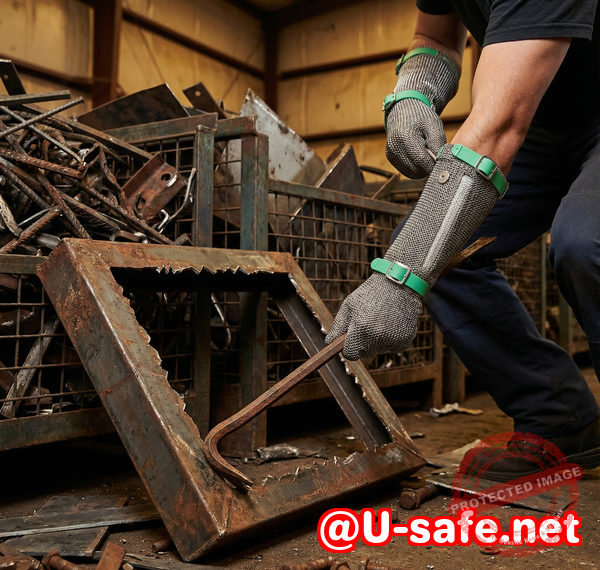
In this article, I’ll walk you through how to evaluate chainmail products like a pro. We’ll cover everything from how to spot welded rings, how to choose the right stainless steel grade, to the importance of the weave pattern. By the end, you’ll feel confident in your ability to make an informed purchase, ensuring your chainmail meets your expectations for safety and longevity.
The Challenge of Identifying High-Quality Chainmail
Whether you’re a collector, industrial user, or cosplayer, the first step in buying chainmail is making sure it’s of high quality. Low-quality chainmail can be a safety risk, especially if it’s being used in industrial or food-processing environments. It’s also frustrating to spend money on something that doesn’t live up to its promises.
Here are a few common pain points I’ve encountered when evaluating chainmail:
-
Distinguishing Welded Rings from Open Rings This is one of the most important aspects of chainmail. Open rings may look similar to welded rings, but they lack the same durability.
-
Uncertainty about Stainless Steel Grades With terms like 304 and 316 stainless steel floating around, it can be confusing to understand which one is best for your needs.
-
Weak Weaves and Inconsistent Craftsmanship Weaves like the European 4-in-1 are known for their durability, but not all chainmail weaves are created equal. Some can be weak or prone to unraveling.
Let’s take a look at how you can avoid these pitfalls with a little inspection and guidance.
How to Inspect Chainmail Quality: Your Step-by-Step Guide
When it comes to evaluating the quality of your chainmail, a few simple checks can go a long way in ensuring your purchase is a good one. Here’s what to look for:
1. Material Type: 304 vs. 316 Stainless Steel
One of the first things to check when inspecting chainmail is the material. Not all stainless steel is equal, and choosing the right grade can significantly impact the durability and corrosion resistance of your chainmail.
-
304 Stainless Steel: This is the most common type of stainless steel used for chainmail. It’s strong, rust-resistant, and cost-effective, but it may not hold up as well in harsh environments.
-
316 Stainless Steel: This grade is superior in terms of corrosion resistance. If you’re working in environments where exposure to moisture or harsh chemicals is likely, I highly recommend opting for 316 stainless steel. It’ll last longer and won’t corrode as easily.
For most people, 304 stainless steel works fine for decorative purposes or light use, but if you’re in need of industrial-grade protection, go for the more durable 316 steel.
2. Ring Welding: Welded vs. Open Rings
A key element of chainmail’s strength lies in how the rings are attached to each other. Here’s how to spot the difference:
-
Welded Rings: These are rings that are fused together at the ends. They are much stronger and more durable than open rings. Welded rings won’t easily break or come apart, making them ideal for protection.
-
Open Rings: These rings are simply butted together, making them weaker and more prone to separating over time. They might look okay for cosplay or decorative purposes, but I wouldn’t trust them for protection.
3. Wire Thickness and Inner Diameter
The wire thickness and inner diameter of the rings play a huge role in the overall durability of the chainmail. Here’s what you should be looking for:
-
Wire Thickness: A thicker wire means a stronger, more durable chainmail. When inspecting a product, check the gauge of the wire. Thicker gauges will hold up better under stress.
-
Inner Diameter: The size of the inner diameter of the rings affects how well they interlock and how tight the weave will be. A small inner diameter can lead to a tighter, stronger weave, while a larger diameter may result in a looser, less durable product.
4. Weave Patterns: European 4-in-1
Not all weaves are created equal. If you’re looking for strength and durability, the European 4-in-1 weave is the gold standard. Here’s why:
-
European 4-in-1 Weave: This is the most common and durable weave pattern used for chainmail. It involves four rings passing through one central ring, creating a tight, interlocking pattern that offers exceptional strength.
When you inspect chainmail, check the weave pattern and make sure it’s tightly interlocked. A loose weave can compromise the durability and protective qualities of the chainmail.
5. Simple Pull Test for Durability
One of the easiest ways to test the strength of the chainmail is by performing a simple pull test. Gently pull on the rings in different directions to see if any of them detach or feel loose. If any rings come apart, the chainmail is likely of low quality and not suited for protective use.
Why Proper Chainmail Inspection Matters
Performing these inspections can save you money, time, and frustration down the line. Here’s why you should take the time to evaluate the chainmail before making a purchase:
-
Safety: If you’re buying chainmail for industrial or food-handling purposes, ensuring that it’s made from the right materials and weaves can be a matter of safety. Poorly made chainmail could break, fail, or leave gaps that make it ineffective.
-
Durability: You don’t want to buy chainmail that falls apart after a few uses. Properly made chainmail should last for years, especially when constructed from high-quality materials like 316 stainless steel.
-
Cost Savings: While it’s tempting to go for a cheaper option, low-quality chainmail can end up costing you more in repairs or replacements. By inspecting your chainmail before buying, you can avoid purchasing something that won’t meet your needs.
Conclusion: Your Path to High-Quality Chainmail
When it comes to buying chainmail, whether it’s for protection, cosplay, or collectibles, I highly recommend following the steps we’ve outlined above. By checking the material, ring welding, wire thickness, and weave pattern, you can easily identify high-quality chainmail that will last and perform as expected.
Ready to learn more about identifying high-quality chainmail?
Check out our detailed inspection guide at Aegimesh Chainmail today!
FAQ
1. How can I tell if a chainmail ring is welded or open?
Look at the ends of the ring. If the ends are fused together, it’s a welded ring. Open rings have visible gaps where the ends meet.
2. Which stainless steel grade is best for long-lasting chainmail?
316 stainless steel is the best for durability and corrosion resistance, especially in harsh environments. 304 stainless steel is a great option for general use.
3. How do I inspect the weave pattern for strength?
Look for a tight, interlocking weave like the European 4-in-1. Avoid loose or uneven weaves that can compromise the chainmail’s strength.
4. What are the signs of low-quality or unsafe chainmail?
Look for loose rings, inconsistent welding, or weak/weaving patterns. If the rings feel loose or break apart easily, the chainmail is low-quality.
5. Can decorative chainmail be used for protective purposes?
While decorative chainmail might look great for cosplay, it’s often made with open rings or weaker materials. For protection, always go for welded rings and durable stainless steel.
6. How do I choose the right chainmail for industrial vs. cosplay use?
For industrial use, opt for chainmail made from 316 stainless steel with welded rings and a strong weave. For cosplay, 304 stainless steel with open rings may suffice, but ensure the craftsmanship is solid.
Tags:
chainmail quality, welded rings, stainless steel chainmail, cut-resistant chainmail, chainmail inspection, European 4-in-1 weave





 한국어
한국어  Русский
  Deutsch
  العربية