


How to Choose High-Quality Stainless Steel Chainmail
How to Choose High-Quality Stainless Steel Chainmail
If you’ve ever found yourself staring at a chainmail product, wondering if it’s durable enough for your needs, you’re not alone. Whether you’re gearing up for a cosplay event, protecting your hands in a high-risk industrial setting, or adding to a collection of historical replicas, choosing the right chainmail can be daunting. I’ve been there myself, and it’s easy to get confused by the overwhelming variety of options. So, how can you tell which chainmail products are worth your investment, and which ones are simply decorative imitations that might let you down when it counts?
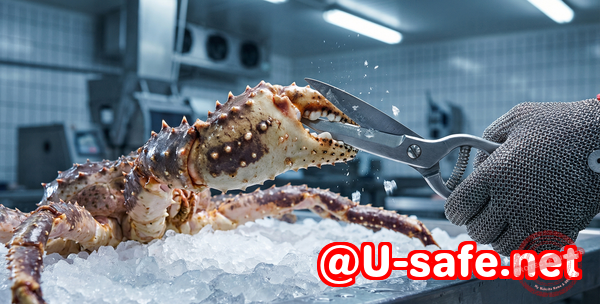
In this guide, I’ll walk you through the simple yet essential steps for inspecting and choosing high-quality stainless steel chainmail. By the end of this post, you’ll be able to spot the difference between top-tier chainmail and lower-quality products that won’t stand up to the test of time.
Understanding Chainmail Quality
When it comes to chainmail, the quality is defined by a few key factors: the type of material, the welds used to hold the rings together, the thickness of the wire, and how the weave pattern is constructed. Let’s dive into these points so you can confidently evaluate the chainmail you’re looking at.
1. Material Type: 304 vs. 316 Stainless Steel
One of the most important things to look for when inspecting chainmail is the type of stainless steel used. Stainless steel chainmail, especially in industrial and protective applications, needs to be resistant to corrosion and wear. There are two main grades to consider: 304 and 316.
-
304 Stainless Steel: This is a versatile, corrosion-resistant material that works great in general use cases. However, it’s not ideal for environments exposed to harsh chemicals or high salt concentrations.
-
316 Stainless Steel: If you’re looking for high-end, corrosion-resistant chainmail (especially for industrial, food handling, or marine environments), 316 is the better choice. It has superior resistance to corrosion, making it perfect for harsh conditions.
Tip: Always check the material description before purchasing. While 304 stainless steel is more common and affordable, 316 will last longer and resist corrosion much better, especially in demanding environments.
2. Welded Rings vs. Open Rings
It’s tempting to assume that all chainmail is the same, but the method used to connect the rings makes a huge difference in quality and durability. Chainmail rings can either be welded or open.
-
Welded Rings: These are the gold standard when it comes to chainmail durability. Welded rings are fused shut, making them much more reliable, especially for protective and industrial uses.
-
Open Rings: These are typically found in cheaper, decorative chainmail, and they’re often not as durable. They’re fine for cosplay or display purposes but not ideal for protection or heavy use.
Pro Tip: To test if a ring is welded or open, gently pull on the ring. If it opens up or feels flimsy, it’s not welded. Be sure to ask the seller or manufacturer for confirmation if you’re unsure.
3. Wire Thickness and Ring Diameter
The next thing you want to inspect is the thickness of the wire and the inner diameter of the rings. These factors are directly linked to the strength and flexibility of the chainmail.
-
Wire Thickness: Thicker wire generally means stronger chainmail. However, it also makes the chainmail heavier and less flexible. For protective chainmail, a thicker wire will provide better resistance against cuts and abrasions.
-
Ring Diameter: The diameter of the rings plays a role in the flexibility and protection level. Larger rings can be more comfortable and flexible to wear but may not offer as much cut resistance. Smaller rings, especially in a tight weave, will offer superior protection, though they may feel a bit stiffer.
Quick Test: Compare the ring thickness and diameter across different samples. A well-made chainmail should feel sturdy but not too heavy or stiff.
4. Weave Patterns: European 4-in-1 and Beyond
Chainmail is made up of individual rings arranged in specific weave patterns. The most common weave pattern is the European 4-in-1 weave. This pattern is renowned for its durability and strength, making it ideal for protective and historical applications.
Other patterns, like 6-in-1 or 8-in-1, provide even more strength but can be less flexible. Depending on your intended use, you’ll want to choose a weave pattern that balances strength with comfort.
European 4-in-1 Weave: This is the classic, tried-and-true weave for strength, providing solid protection against cuts and impacts. It’s also one of the most commonly used patterns for historical replicas.
Tip: To check the weave pattern, look closely at how the rings interlock. If the weave looks loose or inconsistent, the product may be of low quality and not provide the level of protection you need.
Why Quality Inspection Matters
Now that you know what to look for, let’s discuss why inspecting your chainmail matters so much. Whether you’re buying for personal use, industrial applications, or a collector’s item, these steps help ensure your purchase is worth the investment.
1. Avoiding Unsafe Chainmail for Industrial Use
For industrial workers, especially those handling sharp objects or working in environments where cuts and abrasions are a concern, choosing high-quality, welded chainmail made from 316 stainless steel is crucial. Low-quality chainmail could leave you exposed to injury.
2. Ensuring Durability for Cosplay and Historical Replicas
If you’re purchasing chainmail for cosplay or as part of a historical replica, it needs to hold up during wear and movement, without breaking or losing shape. The right weave pattern and wire thickness will ensure that your chainmail lasts throughout the event or for display purposes.
3. Saving Money
It’s easy to be tempted by cheaper chainmail products, but these often lack the durability and strength that you need. By inspecting the material, welds, and weaves, you can avoid buying chainmail that falls apart after a few uses. It may cost more upfront, but in the long run, high-quality chainmail will save you money by avoiding replacements.
Step-by-Step Guide to Chainmail Inspection
When it’s time to inspect chainmail, follow these simple steps:
-
Check the Material: Confirm whether the chainmail is made from 304 or 316 stainless steel. For industrial use, I recommend 316 for better corrosion resistance.
-
Inspect the Rings: Make sure the rings are welded, not open. If they’re open, the chainmail may not provide adequate protection.
-
Examine the Weave: Look for a tight, consistent weave, such as the European 4-in-1 pattern. Ensure the rings are interlocked correctly and securely.
-
Test the Pull Strength: Gently pull on the rings to check the overall strength. The chainmail should feel sturdy and solid, with no loose rings.
-
Look for Signs of Corrosion: If the product is made from stainless steel but shows signs of rust or corrosion, it’s likely a lower-quality product.
Conclusion: How to Make an Informed Choice
Choosing high-quality chainmail isn’t just about finding something that looks goodit’s about ensuring that the product you choose meets safety standards and will last. By following the steps in this guide, you can confidently evaluate chainmail for your needs, whether for protection, display, or collection.
I highly recommend following these inspection methods to make sure your chainmail purchase is safe, durable, and worth the investment.
If you’re ready to start shopping for high-quality chainmail, check out Aegimesh’s selection of welded stainless steel chainmail. We provide detailed guides and inspection tools to help you make the best decision.
Learn more about identifying high-quality chainmail products: Aegimesh Chainmail Guide
FAQ
1. How can I tell if a chainmail ring is welded or open?
Look closely at the ring’s edges. If the ends are fused together with no gap, it’s welded. If the ends are not sealed, it’s an open ring.
2. Which stainless steel grade is best for long-lasting chainmail?
316 stainless steel is the best choice for durability, especially in harsh environments, as it has superior resistance to corrosion compared to 304 stainless steel.
3. How do I inspect the weave pattern for strength?
Look for a tight, consistent weave, such as European 4-in-1. The rings should be securely interlocked with no loose spots.
4. What are the signs of low-quality or unsafe chainmail?
Signs of low-quality chainmail include loose rings, inconsistent weave patterns, rust or corrosion, and weak welds. Avoid chainmail that doesn’t feel sturdy or secure.
5. Can decorative chainmail be used for protective purposes?
Decorative chainmail, especially with open rings, may not provide sufficient protection for industrial or safety use. Always choose welded chainmail for protection.
6. How do I choose the right chainmail for industrial vs. cosplay use?
For industrial use, choose high-quality, welded, and corrosion-resistant chainmail, such as 316 stainless steel. For cosplay, you can opt for lighter, less durable options, though it’s still good to ensure the rings are welded for durability.
Tags: chainmail quality, welded rings, stainless steel chainmail, cut-resistant chainmail, chainmail inspection, European 4-in-1 weave




 한국어
한국어  Русский
  Deutsch
  العربية