


How Steel Enhances the Effectiveness of Chainmail in Combat
How Steel Enhances the Effectiveness of Chainmail in Combat
When it comes to choosing the right chainmail for combat or other protective purposes, it’s not always easy to tell what makes one piece of chainmail stand out from another. As a buyer or collector, you might find yourself overwhelmed by the different materials, construction methods, and weave patterns on the market. If you’ve ever wondered how to ensure that the chainmail you’re considering will actually provide the durability and protection you need, you’re not alone. Whether you’re preparing for a historical reenactment, cosplay, or industrial use, the quality of your chainmail should always be a top priority.
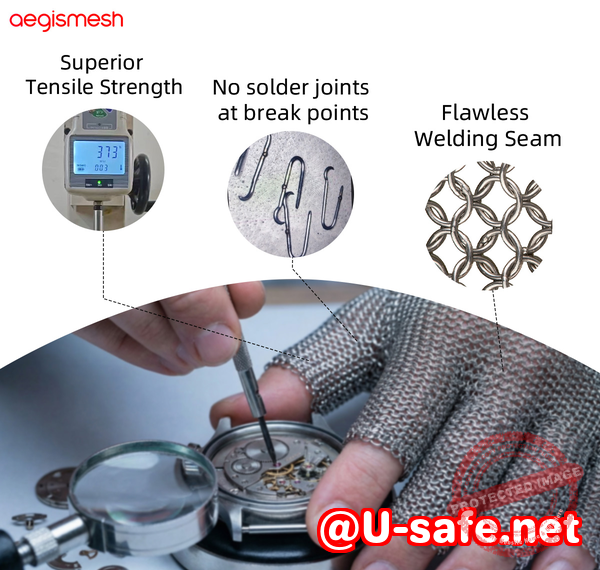
One of the key elements that can greatly enhance the effectiveness of chainmail in combat or protective settings is the type of steel used. But how do you know which steel grade is best? How can you identify whether a chainmail product is durable enough for your specific use case? In this guide, I’ll walk you through the essential aspects of chainmail inspection, so you can make an informed decision when purchasing chainmail, ensuring you’re not wasting money on subpar products.
The Importance of Steel in Chainmail Effectiveness
Steel, particularly stainless steel, plays a vital role in the overall effectiveness of chainmail. While the classic image of chainmail often conjures up thoughts of medieval knights, modern applications of chainmail require the same level of durability and resilience. From industrial workers needing cut-resistant protection to cosplayers aiming for authentic historical replicas, the steel used in chainmail makes all the difference.
Stainless steel, in particular, is favored for its corrosion resistance, strength, and long-lasting durability. There are two common grades of stainless steel used in high-quality chainmail: 304 stainless steel and 316 stainless steel. Understanding the differences between these two grades can help you make the right choice for your needs.
-
304 Stainless Steel: This is the most common type of stainless steel used in chainmail. It’s affordable, durable, and provides excellent resistance to rust and corrosion. It’s perfect for most decorative or cosplay applications.
-
316 Stainless Steel: This grade contains more nickel and molybdenum, which makes it more resistant to corrosion, especially in harsh environments like marine or food-processing settings. If you’re in need of chainmail for industrial purposes or frequent exposure to moisture, 316 steel is the better option.
Common Problems When Evaluating Chainmail Quality
As someone who has spent a considerable amount of time evaluating chainmail products, I’ve seen firsthand the challenges that come with assessing chainmail quality. Whether you’re purchasing chainmail for a professional setting or as a collector’s item, there are a few common pain points that many buyers face:
1. Welded Rings vs. Open Rings
One of the most noticeable features that differentiate high-quality chainmail from lower-quality options is the type of rings used. High-quality chainmail uses welded rings, which are tightly fused to create a permanent seal. This process ensures the rings will not come apart over time, providing greater durability and protection.
On the other hand, open rings are often used in cheaper or less durable chainmail, and they can easily pull apart under stress, compromising the effectiveness of the armor.
Tip: Inspect the rings closely to see if they’re welded shut. If they appear to have a visible gap or seam, they are likely open rings and may not provide the level of protection you need.
2. Material Quality and Steel Grades
Another common issue is understanding the material quality, specifically the difference between stainless steel grades. As mentioned earlier, 304 stainless steel is commonly used in most chainmail, but it may not be the best choice for environments where corrosion resistance is crucial.
If you’re purchasing chainmail for industrial use or in environments where it will be exposed to moisture, 316 stainless steel is the better choice for ensuring longevity and durability.
Tip: Always ask about the steel grade used in the chainmail, and don’t hesitate to request a material specification sheet from the manufacturer.
3. Weave Patterns and Ring Sizes
The type of weave used in the chainmail also has a significant impact on its overall durability. European 4-in-1 is one of the most common weave patterns used in high-quality chainmail. It provides a great balance of flexibility, comfort, and strength. A well-executed European 4-in-1 weave will ensure that the rings are securely interlocked in a tight pattern that provides excellent protection against cuts and stabs.
Unfortunately, some chainmail products may use subpar weaves that don’t provide the same level of strength. Poorly woven patterns or inconsistent ring sizes can lead to weak spots in the chainmail, making it less effective as protective armor.
Tip: Check the tightness and consistency of the weave. The rings should fit snugly together, with no gaps or loose areas.
How to Inspect and Verify Chainmail Quality
Now that we’ve covered some of the common problems you might encounter when evaluating chainmail, let’s dive into how you can inspect and verify the quality of a chainmail product. Following these simple steps will help you avoid purchasing low-quality chainmail and ensure that you’re investing in durable, reliable protection.
1. Check the Material Type
As mentioned, 304 stainless steel and 316 stainless steel are the two most commonly used grades of stainless steel in chainmail. To ensure you’re buying high-quality chainmail, always inquire about the steel grade. For industrial or food processing use, 316 stainless steel is highly recommended, while 304 steel is more than sufficient for cosplay or decorative pieces.
2. Inspect the Ring Welding
One of the most straightforward ways to ensure chainmail quality is to inspect the rings. High-quality chainmail will have welded rings, which are secure and durable. If the rings are open or easily pulled apart, this is a major red flag.
3. Evaluate the Weave Pattern
Next, check the weave pattern. The European 4-in-1 weave is often considered the best for both strength and flexibility. This type of weave ensures that the rings are interlocked tightly together, providing excellent protection. If you notice loose or inconsistent rings in the weave, this could be a sign of poor craftsmanship.
4. Conduct a Simple Pull Test
A quick way to check the overall strength of the chainmail is by performing a simple pull test. Gently tug on the rings to see if any come apart. If the rings stay firmly in place, it’s a good sign that the chainmail is of high quality.
5. Look for Signs of Corrosion
Stainless steel is highly resistant to rust and corrosion, but it’s not entirely immune. Examine the chainmail for any signs of discoloration or rust. If you see any, this could indicate that the chainmail is made of a lower-grade steel or has been poorly manufactured.
Why Proper Inspection Matters
Properly inspecting your chainmail before purchase can help you avoid wasting money on subpar products that won’t provide the protection you need. By following these inspection methods, you can:
-
Ensure safety: Low-quality chainmail might not offer adequate protection, especially for industrial or food-processing environments.
-
Save money: Avoid purchasing products that break easily or wear out quickly.
-
Make informed decisions: Whether you’re buying for cosplay or historical replicas, you’ll know exactly what to look for to ensure durability and authenticity.
Conclusion: Choose High-Quality Chainmail for Lasting Protection
In conclusion, the key to selecting high-quality chainmail lies in careful inspection. Always check the material type, ring welding, weave pattern, and overall construction before making a purchase. I highly recommend following these steps to ensure that any chainmail you buy meets the necessary safety and durability standards.
If you want to dive deeper into the chainmail inspection process, check out our detailed guide on how to identify high-quality chainmail products here. Whether you’re buying chainmail for combat, cosplay, or industrial use, the right choice can make all the difference.
FAQs
1. How can I tell if a chainmail ring is welded or open?
Look for a visible seam on the ring. If the ring has a gap or looks like it could be pulled apart, it’s an open ring. Welded rings will have no gap and will be permanently fused together.
2. Which stainless steel grade is best for long-lasting chainmail?
For most purposes, 304 stainless steel is sufficient. However, if you need chainmail for industrial or food-processing use, 316 stainless steel is more durable and corrosion-resistant.
3. How do I inspect the weave pattern for strength?
Look for tight, consistent rings that interlock securely. The European 4-in-1 weave is a strong, reliable option that should fit snugly without any gaps between rings.
4. What are the signs of low-quality or unsafe chainmail?
Signs include weak or open rings, inconsistent weave patterns, visible rust, and poor craftsmanship.
5. Can decorative chainmail be used for protective purposes?
While decorative chainmail can look great, it might not provide the same level of protection as properly constructed chainmail made with industrial-grade steel and tight, consistent weave patterns.
6. How do I choose the right chainmail for industrial vs cosplay use?
For industrial applications, choose 316 stainless steel for its corrosion resistance. For cosplay, 304 stainless steel should be sufficient, as it is more affordable and still provides good durability.
7. How do I identify quality chainmail before purchasing?
Inspect the steel grade, check for welded rings, evaluate the weave pattern, and perform a pull test to ensure strength and durability.
Tags:
chainmail quality





 한국어
한국어  Русский
  Deutsch
  العربية