


How EN 1082 Standards Improve the Safety of Chainmail Armor
How EN 1082 Standards Improve the Safety of Chainmail Armor
When I first started diving into the world of chainmail, I found it both fascinating and overwhelming. From medieval reenactments to industrial applications, the variety of chainmail available today is mind-boggling. But as I navigated through this world, one thing became glaringly obvious: not all chainmail is created equal. Whether you’re looking for chainmail for cosplay, industrial use, or even historical reenactments, the risk of purchasing low-quality or unsafe products is ever-present.
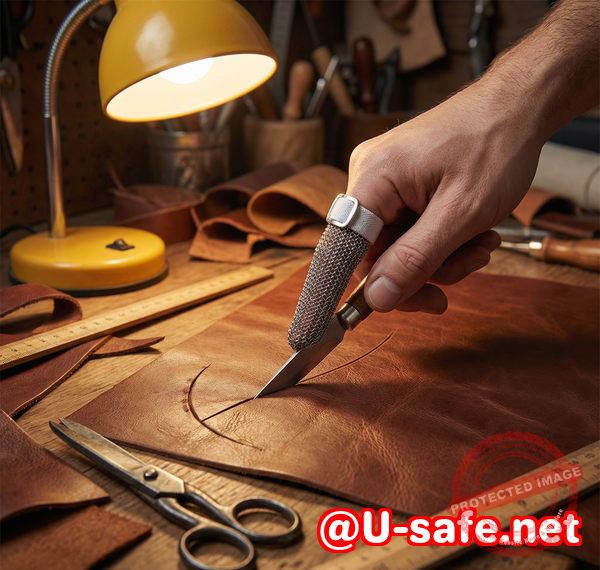
I’ve seen it time and time againbuyers getting excited about a “great deal” on chainmail only to realize later that it wasn’t nearly as durable, safe, or functional as promised. So how can you tell if a chainmail product meets the necessary standards? How do you ensure that what you’re getting is high-quality, durable, and safe for whatever purpose you have in mind?
That’s where the EN 1082 standards come in. These guidelines are crucial for ensuring the safety and performance of chainmail armor, especially in environments where protection is critical. In this post, I’ll walk you through why these standards matter and share practical tips to help you evaluate the quality of any chainmail product.
Understanding the Importance of EN 1082 Standards
When you think of chainmail armor, you probably imagine knights in shining armor or maybe even cosplay enthusiasts donning detailed outfits. While these are fun and exciting applications, chainmail is also a critical safety tool used in industries like food processing, construction, and even healthcare.
EN 1082 is a European standard that specifies the requirements for protective clothing made from metal mesh, such as chainmail. For chainmail to be effective in protecting against cuts, abrasions, or even stab wounds, it needs to meet specific standards in terms of material, construction, and durability. The EN 1082 standard helps ensure that the chainmail used for cut-resistant applications in particular (such as handling sharp objects or working with machinery) is safe and performs as expected.
Now, let’s dive into how you can tell if your chainmail meets these standards and how to identify a high-quality product.
Common Pain Points When Evaluating Chainmail
As I’ve discovered, evaluating chainmail isn’t as straightforward as you might think. Many buyers struggle to differentiate between high-quality, professional-grade chainmail and cheaper, poorly-made versions. Here are a few common pain points I’ve encounteredand how you can overcome them.
1. Welded Rings vs. Open Rings
When shopping for chainmail, it’s essential to understand the difference between welded and open rings. Welded rings are a hallmark of high-quality chainmail because they’re more durable and less likely to break under stress. Open rings, on the other hand, can be cheaper to produce but tend to weaken over time, especially with frequent use.
Tip for Inspection:
-
Hold a ring between your fingers and gently try to open it. If it doesn’t bend or come apart, you’re looking at a welded ring.
-
If you notice gaps between rings or the wire can move easily, then it’s likely an open-ring design.
2. Stainless Steel Grades: 304 vs. 316
Not all stainless steel is created equal. Chainmail made from 304 stainless steel is commonly used for decorative purposes and lighter applications. But for high-durability, cut-resistant chainmail, 316 stainless steel is far superior. It’s more resistant to corrosion, particularly in harsh environments such as food processing or wet industrial settings.
Tip for Inspection:
-
Look for product details or certification that specify the grade of stainless steel.
-
If the chainmail doesn’t list the grade, ask the seller. A reputable manufacturer will be able to confirm whether they use 304 or 316 stainless steel.
3. Weak or Inconsistent Weaves
Chainmail is all about the weave. The most common weave is the European 4-in-1, which is known for its strength and durability. If you’re looking for a product that offers both cut resistance and flexibility, this weave is essential. However, some manufacturers cut corners and produce inconsistent or poorly-woven patterns that compromise the strength of the chainmail.
Tip for Inspection:
-
Gently pull at the chainmail. If it feels like the rings are slipping or shifting, then it may not be woven tightly enough.
-
Check the uniformity of the weave pattern. Consistent, tight weaves are a good sign of quality.
How to Inspect and Verify Chainmail Quality
Now that we’ve identified some common issues, let’s talk about how you can assess chainmail quality like a pro. By following these simple steps, you can ensure that you’re purchasing safe, durable chainmail that meets your needs.
1. Check the Material
Start with the material type. If the chainmail is advertised as stainless steel, it should be clearly marked with the grade. Always look for 316 stainless steel for superior performance in tough conditions.
2. Inspect the Rings
Next, inspect the rings to see if they’re welded or open. If you can’t tell by touch, check the product description or ask the seller for details.
3. Examine the Wire Thickness and Ring Diameter
The wire thickness and inner diameter of the rings are also crucial for durability. Thicker wire and smaller ring diameters will generally offer better protection, as they’re harder to break and more resistant to cuts.
Tip for Inspection:
-
If you have calipers, measure the wire thickness and inner diameter of the rings.
-
Compare these measurements with industry standards or ask the manufacturer for these details.
4. Evaluate the Weave
Look at the weave pattern. European 4-in-1 is a trusted weave that balances strength and flexibility, making it ideal for industrial use and protection. If the pattern looks inconsistent or loose, it may not provide the necessary protection.
Why This Matters: Real-World Benefits of Proper Chainmail Inspection
By following these steps, you can avoid the common pitfalls of buying subpar chainmail. Here’s why it’s worth it:
-
Safety First: Low-quality chainmail can fail under pressure, putting you at risk in hazardous environments. Whether you’re handling sharp industrial tools or participating in cosplay, you need to trust your gear.
-
Save Money: Buying cheap, low-quality chainmail means you’ll have to replace it sooner rather than later. By investing in quality now, you’ll save money in the long run.
-
Durability: Properly made chainmail will last much longer and resist damage, corrosion, and wear.
Conclusion: Ensuring Chainmail Safety and Durability
In my experience, proper inspection is key when buying chainmail for any purpose. By following the simple steps I’ve outlined, you can avoid purchasing substandard products and ensure that your chainmail is both safe and durable.
I highly recommend inspecting every chainmail product carefullywhether it’s for industrial use, cosplay, or historical reenactment. Doing so will not only protect you from low-quality purchases but also give you peace of mind knowing your chainmail meets EN 1082 standards for safety.
Ready to dive deeper into chainmail quality? Learn more about identifying high-quality chainmail products on Aegimesh’s website.
FAQs
-
How can I tell if a chainmail ring is welded or open?
A welded ring will not move or open easily, while an open ring will show a visible gap where the ends haven’t been joined.
-
Which stainless steel grade is best for long-lasting chainmail?
316 stainless steel is ideal for durability and corrosion resistance, making it the best choice for industrial use. -
How do I inspect the weave pattern for strength?
Look for consistent and tight weaving, especially the European 4-in-1 pattern, which is known for its strength and flexibility.
-
What are the signs of low-quality or unsafe chainmail?
Inconsistent weaves, weak rings, poor corrosion resistance, or thin wire are all signs of low-quality chainmail.
-
Can decorative chainmail be used for protective purposes?
While decorative chainmail may look impressive, it often lacks the durability and safety required for industrial or protective use.
-
How do I choose the right chainmail for industrial vs cosplay use?
For industrial use, look for cut-resistant chainmail made from 316 stainless steel. For cosplay, lighter, decorative chainmail made from 304 stainless steel may suffice.
Tags and Keywords
-
Chainmail quality
-
Welded rings
-
Stainless steel chainmail
-
Cut-resistant chainmail
-
Chainmail inspection
-
European 4-in-1 weave
-
Chainmail durability





 한국어
한국어  Русский
  Deutsch
  العربية