


How Cut-Resistant Stainless Steel Chainmail Improves Worker Safety
How Cut-Resistant Stainless Steel Chainmail Improves Worker Safety
When it comes to ensuring safety on the job, especially in industries like food processing, manufacturing, or heavy machinery, finding the right protective gear is essential. But with so many options available, how can you be sure that the chainmail you’re investing in will actually offer the protection and durability you need? I’ve been there myself standing in front of countless choices, unsure which will provide the highest level of safety. The answer, though, lies in understanding the qualities of high-quality chainmail, and today, I’ll share exactly how you can identify it.
Why Chainmail Quality Matters
If you’re looking to buy chainmail whether it’s for industrial cut protection, food handling, cosplay, or historical reenactments you’re likely aware that there’s a big difference in quality between products. I know from experience that it can be tough to distinguish between a chainmail shirt that’s meant to protect you and one that’s more for display. The worst part? Buying low-quality chainmail can result in unexpected safety risks and costly mistakes.
The solution? Know exactly how to evaluate chainmail quality before you make your purchase. By learning a few key inspection techniques, you can ensure you’re buying a product that meets the safety standards and durability requirements you need.
Pain Points in Choosing the Right Chainmail
If you’re buying chainmail for professional or protective use, there are several pain points you might run into. Let’s look at some common challenges:
-
Distinguishing Welded Rings from Open Rings
This one trips up a lot of buyers, especially those new to chainmail. Welded rings are essential for strength, while open rings can easily pull apart. But how do you tell the difference just by looking?
-
Understanding Stainless Steel Grades
Not all stainless steel is created equal. Grades like 304 and 316 have different properties, and understanding which one is best for your needs can be confusing.
-
Weak or Inconsistent Weaves
A weak or poorly woven chainmail could easily unravel under stress, leading to potential safety hazards, especially in industrial environments. Unfortunately, many low-quality products out there fail to meet the standard weave patterns needed for maximum strength.
How to Inspect Chainmail for Quality
It may seem intimidating, but inspecting chainmail isn’t as complicated as it sounds. Let me walk you through some easy-to-follow steps to ensure you’re choosing a high-quality product.
1. Examine the Material Type: 304 vs. 316 Stainless Steel
One of the first things you should check is the type of stainless steel used. The two most common grades in chainmail are 304 and 316 stainless steel.
-
304 Stainless Steel: This is the most widely used type of stainless steel in chainmail. It’s resistant to corrosion but isn’t as durable in extreme conditions as 316.
-
316 Stainless Steel: This grade is ideal for environments where corrosion resistance is critical, like food processing or marine settings. It’s more expensive but offers superior durability and resistance to rust.
I recommend using 316 stainless steel for industrial applications or any environment where chainmail will be exposed to moisture or harsh chemicals.
2. Inspect the Ring Welding
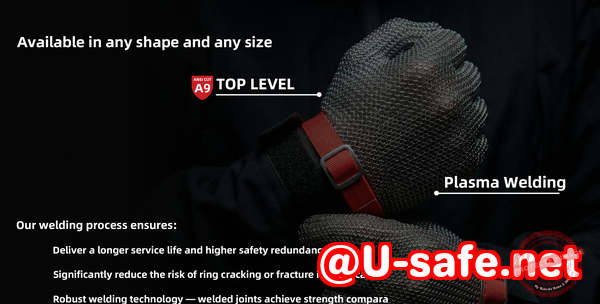
The rings in high-quality chainmail should be welded not just twisted or linked together. Welded rings provide much stronger bonds, making the chainmail more resistant to breakage under pressure.
Here’s a simple way to check: Take a magnifying glass and look at the ends of the rings. You should see a smooth, continuous seam. If the ends of the rings are frayed or open, that’s a sign of poor craftsmanship.
3. Check the Wire Thickness and Ring Diameter
The thickness of the wire and the diameter of the rings are also critical factors. Too thin a wire or too small a ring can compromise the durability of the chainmail.
-
Wire Thickness: The thicker the wire, the stronger the chainmail. Thicker wire ensures better protection against cuts and abrasions.
-
Ring Diameter: Rings that are too small may limit the flexibility and comfort of the chainmail, while rings that are too large might not offer the same protection. A balance is key.
4. Evaluate the Weave Pattern
The weave pattern is a huge factor in determining the strength of the chainmail. For example, the European 4-in-1 weave is one of the strongest and most common patterns. This means that each ring is passed through four others, creating a strong and flexible design.
If you’re looking for industrial-grade chainmail, make sure to choose products with a strong weave pattern. If you’re into cosplay, you can still look for tight weaves, but aesthetic patterns may take precedence.
5. Perform a Simple Pull Test
This is an easy and effective way to check the durability of the chainmail. Gently pull on a section of the chainmail to see if the rings stay intact. If the rings start to loosen or break, then the chainmail is likely low quality and unsafe for heavy use.
6. Look for Signs of Corrosion or Poor Craftsmanship
Before buying, make sure to examine the chainmail for any signs of corrosion. Even a small amount of rust can indicate that the steel used wasn’t properly treated, or it wasn’t a high-quality grade. Rust also weakens the chainmail and can compromise its protective properties.
Why Proper Chainmail Inspection is Crucial
You might be wondering, “Why does all of this matter?” Here are a few key reasons:
-
Safety: In industrial settings, improper chainmail could mean the difference between minor injuries and severe accidents. Cut-resistant chainmail must stand up to heavy-duty tasks like handling sharp materials or working with machinery.
-
Durability: High-quality chainmail lasts longer and performs better. Whether you’re in a high-pressure job or wearing chainmail for cosplay, it should stand the test of time.
-
Cost-Effectiveness: Identifying and avoiding low-quality chainmail products saves you money in the long run. You won’t have to keep replacing gear that falls apart or doesn’t provide the protection you need.
Conclusion: Ensure Quality with Aegimesh Chainmail
By following these simple inspection steps, you’ll be able to make informed decisions when purchasing chainmail. I highly recommend going through these checks to ensure any chainmail you purchase meets safety and durability standards. Whether you’re shopping for protective gear for work, cosplay costumes, or historical replicas, Aegimesh Chainmail provides a helpful reference for buyers, collectors, and professionals alike.
Ready to make sure your chainmail meets the highest standards? Learn more about identifying high-quality chainmail products on Aegimesh’s official website.
FAQs About Chainmail Quality
1. How can I tell if a chainmail ring is welded or open?
Check the ends of the rings under a magnifying glass. Welded rings will have a smooth, continuous seam, while open rings will have a visible gap.
2. Which stainless steel grade is best for long-lasting chainmail?
For long-lasting durability and corrosion resistance, I recommend 316 stainless steel, especially for industrial or food-related uses.
3. How do I inspect the weave pattern for strength?
Look for patterns like the European 4-in-1 weave, which offers a strong and flexible design. A tight, uniform pattern ensures durability.
4. What are the signs of low-quality or unsafe chainmail?
Signs include visible corrosion, loose or un-welded rings, and inconsistent weave patterns. Also, chainmail that feels flimsy or can be easily pulled apart is a red flag.
5. Can decorative chainmail be used for protective purposes?
While decorative chainmail looks great for cosplay or display, it’s typically not designed to provide the same level of protection as industrial-grade chainmail. Always check material and weave quality for safety.
6. How do I choose the right chainmail for industrial vs cosplay use?
For industrial use, prioritize durability, corrosion resistance, and strong welds. For cosplay, comfort and aesthetic appeal are key, but still look for a well-made product.
Tags:
chainmail quality, welded rings, stainless steel chainmail, cut-resistant chainmail, chainmail inspection, European 4-in-1 weave




 한국어
한국어  Русский
  Deutsch
  العربية