


Exploring the Uses of Steel Chainmail in Fashion and Costumes
Exploring the Uses of Steel Chainmail in Fashion and Costumes
When you think of chainmail, you might picture a knight in shining armor or a medieval warrior on the battlefield. But today, chainmail isn’t just for historical reenactmentsit’s found its way into fashion, cosplay, and even industrial applications. Whether you’re a cosplayer looking to add some authenticity to your costume or a buyer searching for high-quality chainmail for cut protection, you might find yourself overwhelmed by the vast range of options available. How can you tell which pieces are genuinely high-quality and which ones might fall apart after a few uses? That’s where understanding the basics of chainmail quality comes in.
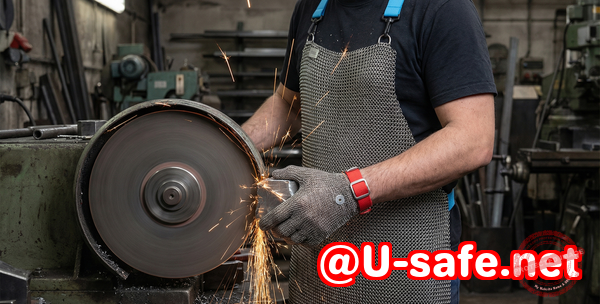
In this article, I’ll walk you through the essential factors to look for when evaluating steel chainmail, including ring construction, material quality, and weave patterns. Let’s dive into how to spot quality steel chainmail so you can avoid low-quality purchases and ensure your chainmail is durable, safe, and well-made.
The Challenge of Choosing High-Quality Chainmail
It’s all too easy to get swept up in the allure of a shiny new piece of chainmail, but there are a few things you need to keep in mind before making a purchase. If you’re like me, you’ve probably been there beforebuying a chainmail shirt or accessory, only to discover that it was poorly constructed or not as durable as promised.
A common issue buyers face is not knowing how to evaluate chainmail products correctly. For example, it’s often hard to tell if the rings are welded or if the material used is durable enough to withstand real wear and tear. Even though chainmail may look impressive at first glance, without proper inspection, you might end up with something that’s more for show than for practical use.
Here are a few key pain points many buyers run into:
-
Identifying the type of rings: Are they welded or open? Open rings might look similar but are much less durable.
-
Material concerns: How do you know if you’re getting the right type of steel for your needs? Stainless steel is usually the best option, but even within that category, there are different grades to consider.
-
Weave patterns: The style and consistency of the weave can make a big difference in the chainmail’s durability and strength.
Aegimesh Chainmail: Your Guide to Quality and Durability
If you’ve ever found yourself unsure about whether the chainmail you’re looking at is truly up to par, Aegimesh is here to help. With our guide and inspection tool, we make it easier than ever to evaluate the quality of your chainmail purchases. Whether you’re using it for industrial applications like cut protection, working with food processing, or using it in fashion and cosplay, understanding the basic inspection steps can save you from making costly mistakes.
So, how can you tell the difference between a high-quality piece of chainmail and something that’s not going to hold up over time? Let me walk you through a few simple yet effective methods for inspecting chainmail, starting with the most fundamental factors: ring material, welding, and weave patterns.
1. Check the Material: Stainless Steel Grades Matter
The material used in your chainmail directly affects its strength, durability, and resistance to corrosion. The two most common grades of stainless steel used in chainmail are 304 and 316. So how do you know which one is best for your needs?
-
304 Stainless Steel: This is a widely used, cost-effective grade of stainless steel. It has good corrosion resistance and is suitable for general-purpose chainmail, including costumes and decorative pieces.
-
316 Stainless Steel: This grade is more resistant to corrosion, especially in harsh environments, making it an excellent choice for industrial applications like food processing or situations where the chainmail will be exposed to moisture or chemicals. It’s also a good option for people looking for a more durable, long-lasting piece.
When shopping for chainmail, always check the product description to see what type of steel is used. If you’re using it for safety or industrial purposes, 316 stainless steel is the clear winner. For fashion or cosplay, 304 might be perfectly fine.
2. Inspect the Rings: Welded vs. Open
When evaluating chainmail, one of the most important things to check is whether the rings are welded or open. Open rings are typically easier to manufacture but much less durable. They are more likely to fall apart under stress and don’t provide the same level of protection or longevity as welded rings.
Here’s a simple way to check:
-
Welded rings will have a small, barely noticeable seam where the two ends of the ring meet. You can usually spot this with a careful look or feel along the ring.
-
Open rings are just thatopen. You’ll see a visible gap where the ends of the wire don’t fully meet.
For industrial or protective chainmail, welded rings are essential for ensuring strength and durability. For fashion or cosplay, you can get away with open rings, but just be aware they won’t be as durable.
3. Evaluate the Weave: Look for European 4-in-1
The European 4-in-1 weave is one of the most popular and strong weave patterns used in chainmail. This pattern is formed by each ring passing through four others, creating a solid, interconnected structure. The 4-in-1 weave offers excellent protection while remaining flexible.
While there are other weave patterns, such as 6-in-1 or 8-in-1, these are less common in fashion pieces due to the increased weight. However, for protective applications, a 4-in-1 weave is usually ideal.
When inspecting chainmail for strength, look for:
-
Tightness of the weave: The rings should fit snugly together. Gaps or loose rings can compromise the overall strength of the chainmail.
-
Consistency: The rings should be uniform in size and shape to ensure an even, strong weave.
4. Other Key Inspection Tips:
-
Wire Thickness: Check for the thickness of the wire used in the rings. A thicker wire will typically result in stronger, more durable chainmail. Thin wire is more prone to bending or breaking.
-
Ring Diameter: The inner diameter of the rings is another important factor. A larger diameter can lead to looser, less secure chainmail, while a smaller diameter can make it more difficult to move or wear comfortably.
5. Perform a Simple Pull Test
One of the easiest ways to test the durability of chainmail is the pull test. Simply grab a section of the chainmail and pull on it. If it feels flimsy or if any rings start to detach, the quality of the weave and welding may not be up to par. This simple test can give you a good idea of whether the chainmail will hold up to long-term wear and tear.
The Benefits of Choosing Quality Chainmail
By taking the time to evaluate chainmail properly, you can avoid many of the issues that come with low-quality products. Whether you’re using chainmail for industrial protection, cosplay, or as part of a historical costume, the benefits of choosing high-quality chainmail are clear:
-
Safety: Low-quality chainmail may break or degrade, compromising your protection.
-
Durability: High-quality chainmail will last longer, saving you money in the long run.
-
Functionality: Well-constructed chainmail is more likely to meet the specific needs of your applicationwhether it’s for protection or decoration.
Conclusion: Choose Quality Chainmail for Peace of Mind
I can’t stress enough how important it is to carefully inspect chainmail before buying. The inspection methods I’ve outlined above will help you determine whether a product is worth your investment. Whether you’re shopping for industrial protection, a costume, or a decorative piece, I highly recommend following these steps to ensure that your chainmail meets the highest standards of safety and durability.
If you’re ready to start evaluating chainmail like a pro, I encourage you to learn more about identifying high-quality chainmail products at Aegimesh and check out our detailed chainmail inspection guide today.
FAQ
-
How can I tell if a chainmail ring is welded or open?
Look closely at the ringif the ends meet without a visible gap, it’s welded. Open rings have a clear gap.
-
Which stainless steel grade is best for long-lasting chainmail?
316 stainless steel is the best choice for durability and resistance to corrosion, especially in industrial applications. -
How do I inspect the weave pattern for strength?
Check for a tight and consistent European 4-in-1 weave. Gaps or unevenness can indicate poor craftsmanship.
-
What are the signs of low-quality or unsafe chainmail?
Look for loose rings, uneven weaves, and weak welds. These issues can lead to breakage or reduced protection.
-
Can decorative chainmail be used for protective purposes?
Generally, decorative chainmail made with open rings or thinner wire isn’t suitable for protection. It’s best for costumes or collectibles.
-
How do I choose the right chainmail for industrial vs. cosplay use?
For industrial use, look for 316 stainless steel and welded rings. For cosplay, 304 stainless steel and lighter designs work well.
Tags or Keywords:
-
chainmail quality, welded rings, stainless steel chainmail, cut-resistant chainmail, chainmail inspection, European 4-in-1 weave




 한국어
한국어  Русский
  Deutsch
  العربية