


Exploring the Durability of Cut-Resistant Stainless Steel Chainmail
Exploring the Durability of Cut-Resistant Stainless Steel Chainmail
When purchasing chainmail, whether for safety, cosplay, or as a collectible, it’s easy to feel overwhelmed by the vast array of options available. You may ask yourself, “How do I know if this is high-quality chainmail that will actually do its job?” Whether you’re preparing for an industrial job where safety is crucial or designing a cosplay piece, knowing what to look for is essential. This article will guide you through how to assess the quality of stainless steel chainmail so that you can make an informed purchase, avoid low-quality or unsafe options, and ensure you’re investing in something durable and reliable.
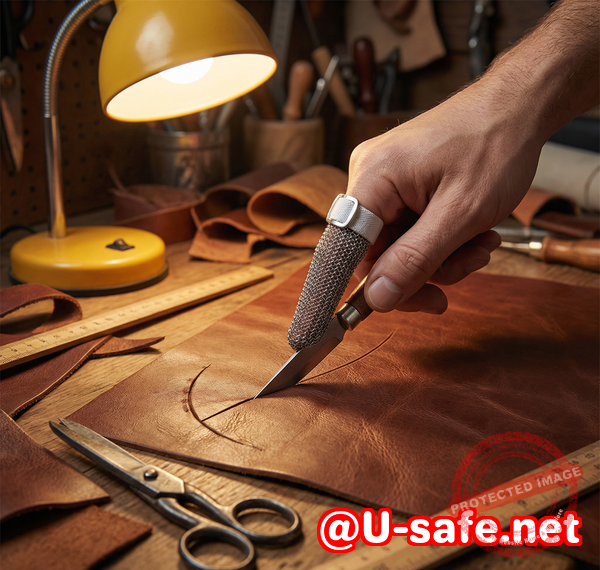
Pain Points in Chainmail Quality Evaluation
As a buyer, it’s not always clear what separates a high-quality chainmail product from a low-quality one. You might find yourself struggling to distinguish between welded and open rings or confused about which stainless steel grade is most suitable for your needs. Below are a few common issues that many face when evaluating chainmail quality:
-
Welded Rings vs. Open Rings: One of the biggest challenges buyers face is distinguishing between welded rings and open rings. Open rings may be cheaper, but they’re far less durable and more prone to breaking. If you’re relying on chainmail for safety, like in industrial settings or for food handling, welded rings are a must.
-
Stainless Steel Grades: Not all stainless steel is the same. While 304-grade stainless steel is good for decorative purposes, 316-grade stainless steel is more resistant to corrosion and wear, making it the better choice for applications that require durability and strength.
-
Weak Weave Patterns: Even if the rings themselves are strong, a poor weave can compromise the strength and reliability of the entire piece of chainmail. If the rings are not interwoven tightly enough, the chainmail won’t be as cut-resistant or durable as expected.
Understanding these challenges is the first step toward ensuring that you’re buying high-quality chainmail. Let’s dive into some practical tips and methods you can use to evaluate chainmail, whether you’re using it for industrial protection, cosplay, or collecting.
Inspecting Chainmail: A Step-By-Step Guide
When it comes to inspecting chainmail, it’s important to know what to look for and how to verify its quality. Here are some key steps you can follow to determine whether you’re purchasing high-quality chainmail.
1. Check the Material Type: 304 vs 316 Stainless Steel
The material of the chainmail directly affects its durability. For most applications, you’ll encounter two primary grades of stainless steel: 304 and 316.
-
304 Stainless Steel: This is a common choice for decorative chainmail and cosplay, as it is relatively affordable and has good rust resistance. However, it’s not as resistant to corrosion as 316-grade steel and may degrade faster in harsh conditions.
-
316 Stainless Steel: This grade is preferred for high-stress environments, such as industrial cut protection or food handling, due to its superior corrosion resistance. 316 stainless steel also stands up better to harsh weather, chemicals, and saltwater exposure.
Tip: If you’re using chainmail in a high-risk environmentwhether for work or protectionalways opt for 316 stainless steel. For display purposes, 304 may be sufficient, but be aware of its limitations.
2. Inspect the Ring Welding
The next thing to check is the welding of the rings. High-quality chainmail uses welded rings, while low-quality products may use open rings that are merely bent closed. Open rings are more likely to break or unravel under stress, which could be dangerous in a protective setting.
To test if the rings are welded, simply try pulling apart the edges. If the rings are welded, they won’t come apart. Open rings, on the other hand, can often be separated with just a little force.
Tip: For chainmail used in industrial or protective settings, look for welded rings. These provide superior strength and won’t fail easily in high-pressure situations.
3. Check Wire Thickness and Inner Diameter
Next, take a look at the wire thickness and the inner diameter of the rings. Thin wire or overly large inner diameters may result in a weaker, less durable chainmail. The thickness of the wire is directly linked to the strength and weight of the chainmail. The inner diameter refers to the size of the rings and how tightly they fit together.
A good rule of thumb is that the wire should be thick enough to resist bending, but not so thick that it makes the chainmail uncomfortable to wear or handle. The inner diameter should be just large enough for the rings to link properly but not so large that they create gaps.
Tip: A chainmail weave with an optimal wire thickness and ring diameter ensures the product is strong but still flexible and comfortable for long-term wear.
4. Evaluate the Weave Pattern
The weave pattern of chainmail is crucial for its overall strength and durability. The most common and reliable weave pattern is the European 4-in-1, where each ring is passed through four others. This pattern offers excellent protection, as it is both strong and flexible.
If the rings are not woven tightly enough or the pattern is inconsistent, the chainmail may not offer the protection you need. In weaker weaves, individual rings may shift, leaving gaps that can compromise the chainmail’s effectiveness.
Tip: Always check that the weave pattern is consistent, tight, and even. For maximum strength, the European 4-in-1 weave is your best option.
5. Perform a Pull Test
A simple yet effective way to test the durability of your chainmail is the pull test. Gently pull on a section of the chainmail to see if any rings come loose or separate. A well-made piece will hold together, while a low-quality one may start to break apart under pressure.
Tip: If you’re using chainmail for protective purposes, make sure it can withstand some force. A good pull test will reveal any weaknesses.
6. Look for Signs of Corrosion
Stainless steel chainmail should be resistant to corrosion, but low-quality materials or poor craftsmanship can still lead to rust. Look closely at the rings to see if there are any signs of oxidation, particularly around the joints where the welds are located.
Tip: If you notice any discoloration or rust, it’s a sign that the chainmail may not have been treated properly or is made from lower-grade stainless steel.
Why Proper Chainmail Inspection Matters
When you take the time to inspect your chainmail properly, you can ensure that you’re making a safe and durable investment. Not only does this prevent you from wasting money on inferior products, but it also protects you and others from safety risks.
-
Industrial Use: For industries requiring cut-resistant gear, poor-quality chainmail could result in serious injuries. The right inspection steps help prevent this.
-
Cosplay and Collectibles: Even if you’re just looking for decorative chainmail for a costume or collection, you want it to last. Checking the material, weave, and rings ensures that it’s both durable and visually impressive.
-
Food Processing: In industries where chainmail is used for food processing, corrosion resistance is crucial to avoid contamination. A simple inspection can save you from costly and dangerous mistakes.
Conclusion
Chainmail is a unique and durable material, but not all chainmail products are created equal. By understanding the key factors that determine qualitysuch as material grade, welding, wire thickness, ring diameter, and weave patternsyou can make an informed decision that meets your needs. Whether you’re protecting yourself from cuts in an industrial environment, creating a costume for cosplay, or collecting historical replicas, it’s important to choose the best possible product for the job.
I highly recommend following the inspection steps outlined in this article to ensure that any chainmail you purchase meets the highest standards of safety and durability. Don’t settle for lessinvest in quality and protect yourself and others.
Learn more about identifying high-quality chainmail products: Aegimesh Chainmail
Check out our detailed chainmail inspection guide today.
FAQ
How can I tell if a chainmail ring is welded or open?
You can test this by gently pulling on the edges of the ring. Welded rings will stay intact, while open rings can be pulled apart.
Which stainless steel grade is best for long-lasting chainmail?
For durability and corrosion resistance, 316 stainless steel is ideal for industrial or protective chainmail. 304 stainless steel works well for decorative or light-use applications.
How do I inspect the weave pattern for strength?
Ensure that the weave is consistent and tight. The European 4-in-1 weave is a reliable pattern for strength and durability.
What are the signs of low-quality or unsafe chainmail?
Look for poorly welded rings, inconsistent weave patterns, weak wire thickness, or signs of corrosion. These can indicate that the chainmail is not built to last.
Can decorative chainmail be used for protective purposes?
It depends on the material and construction. For true protection, make sure the chainmail uses welded rings and high-quality stainless steel like 316-grade.
How do I choose the right chainmail for industrial vs. cosplay use?
For industrial use, focus on chainmail made from 316 stainless steel with welded rings and a durable weave pattern. For cosplay, 304 stainless steel with an appealing, lighter weave may be sufficient.
What should I look for to ensure my chainmail will last?
Check for strong welding, the right stainless steel grade, proper wire thickness, and an even, tight weave pattern.




 한국어
한국어  Русский
  Deutsch
  العربية