


Cut-Resistant Stainless Steel Chainmail A Modern Solution for Safety
Cut-Resistant Stainless Steel Chainmail: A Modern Solution for Safety
When you’re in the market for chainmail, whether it’s for protection in the workplace, as part of a cosplay outfit, or even for historical reenactments, it can be difficult to tell which products are actually high-quality and which ones might not meet your expectations. Many of us have been there beforesifting through online listings, trying to figure out if the chainmail rings are welded or open, if the weave will hold up under pressure, or whether the material is durable enough for the job.
I’ve had my share of experiences in this area, especially when purchasing for industrial use or protective gear. The stakes can be high, and it’s important to make sure you’re getting something that not only looks good but is also functional and safe. In this post, I’ll walk you through how to evaluate the quality of chainmail, highlighting some common pitfalls and offering practical tips to help you avoid purchasing subpar products.
The Challenges of Buying Quality Chainmail
Let’s face it: chainmail is one of those things that can look pretty good online but can quickly fall short once you have it in your hands. Here are some of the most common challenges I’ve facedand heard from otherswhen it comes to evaluating chainmail products:
-
Welded vs Open Rings: It’s hard to tell at first glance if the rings are welded shut or open. Open rings aren’t as durable, and they can compromise the overall strength of the chainmail.
-
Choosing the Right Stainless Steel: Not all stainless steel is created equal. For something like industrial protective gear, you need the right grade304 or 316 stainless steel can make a huge difference in corrosion resistance and durability.
-
Weave Inconsistencies: Some manufacturers may cut corners by offering chainmail with a weak or inconsistent weave. A poorly woven chainmail design can significantly reduce its effectiveness, whether it’s for safety or aesthetics.
-
Corrosion and Weakness: Some low-quality chainmail, particularly for food processing or industrial use, can corrode or weaken quickly, making it not just ineffective, but dangerous.
I’ve been in those situations where it’s just tough to know if I’ve found the right product. But with a bit of guidance, anyone can become proficient at distinguishing high-quality chainmail from substandard alternatives. Let’s dive in and talk about how to do just that!
How to Identify High-Quality Chainmail: The Aegimesh Guide to Inspection
Step 1: Inspecting the Material
The first step in any chainmail inspection is checking the material. Stainless steel is the most common material used, and it comes in various grades. There are two main ones you should look out for:
-
304 Stainless Steel: This is the most common grade for chainmail. While it’s relatively corrosion-resistant, it’s not ideal for all environments, especially those involving exposure to chemicals or saltwater.
-
316 Stainless Steel: This grade is often referred to as marine-grade stainless steel. It’s much more resistant to corrosion, making it perfect for industrial applications, food processing, and other harsh environments.
Why does this matter?
If you’re buying chainmail for industrial use, food processing, or any type of environment where exposure to moisture or chemicals is a concern, 316 stainless steel will perform much better over time. If you’re just looking for decorative chainmail for cosplay, 304 might be perfectly sufficient.
Step 2: Welding vs. Open Rings
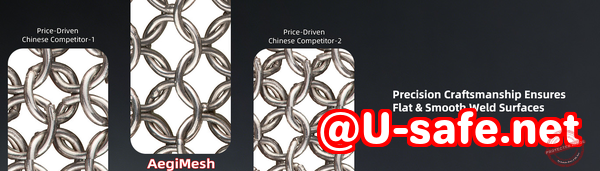
This is one of the biggest giveaways when it comes to distinguishing high-quality chainmail from cheap alternatives. The rings should be welded shut. Open rings can easily come undone, leading to gaps in the weave and reduced durability.
How to check:
It’s easy to spot welded ringslook closely at the edges of the rings. A welded ring will have a smooth seam, while open rings will have a noticeable gap. If you can pull apart the rings by hand or with minimal effort, you’re dealing with open rings, and that’s a red flag.
Why it matters:
Welded rings are much stronger and more reliable for both protection and longevity. Open rings, on the other hand, can compromise the structural integrity of the chainmail, especially under stress.
Step 3: Evaluating Ring Thickness and Inner Diameter
The thickness of the wire and the diameter of the rings are key indicators of how sturdy and protective the chainmail will be. A chainmail with thin wire or large inner diameters might look fine on the surface but will be much less protective.
What to look for:
-
Wire Thickness: Thicker wire means stronger protection, especially for industrial or safety purposes. A good standard thickness is around 14 gauge.
-
Ring Diameter: The inner diameter should fit tightly enough to provide coverage but still allow the weave to be flexible. For example, European 4-in-1 weave requires specific ring diameters to maintain its strength.
Why it matters:
Larger ring diameters and thinner wire might work for decorative chainmail, but they aren’t suitable for safety or durability in industrial or food-handling applications. You’ll want to stick with a thicker gauge and smaller diameter if you’re looking for real protection.
Step 4: Inspecting the Weave
One of the most important steps in evaluating chainmail quality is checking the weave. The most common and strongest weave is the European 4-in-1, where each ring is woven through four other rings in a way that provides excellent strength and flexibility.
How to check:
Look at how the rings are arranged. In a European 4-in-1 weave, each ring passes through four others, and the rings should be packed tightly together, with no noticeable gaps. If you see rings that are loose, uneven, or that could easily slide apart, the weave isn’t up to standard.
Why it matters:
A weak weave can result in the chainmail failing when you need it most. A tight, consistent weave offers more protection, making it ideal for industrial settings, while a looser weave may work for decorative purposes but will be inadequate for functional uses.
Practical Tips for Inspecting Chainmail
Here are a few simple but effective tests to perform when inspecting chainmail:
-
Pull Test: Gently pull on the rings to check if they stay in place. If the weave loosens or the rings move easily, that’s a sign of poor quality.
-
Corrosion Test: Stainless steel is supposed to resist rust, but not all stainless steel is equally resistant. If you see any signs of corrosion or rust spots, you might be dealing with low-grade material or poorly treated chainmail.
-
Flexibility Test: High-quality chainmail should be flexible enough to move with you without breaking or cracking. Stretch it, bend it, and see how it behaves. If it feels brittle or stiff, you might want to look for a different product.
Why Inspecting Chainmail is Important
The purpose of proper inspection is simple: to ensure that your chainmail meets the required standards of safety, durability, and functionality. By following these inspection steps, you’ll be able to:
-
Avoid unsafe chainmail: Whether you’re buying for industrial protection or food handling, you need chainmail that will stand up to wear and tear.
-
Ensure durability: Decorative chainmail may be fine for cosplay, but for real-world use, durability is crucial. This guide helps you make sure you get something that will last.
-
Save money: Don’t waste your hard-earned cash on low-quality chainmail. By inspecting properly, you’ll be able to distinguish between high-quality and cheap, low-performing options.
Conclusion: The Value of Proper Chainmail Inspection
Chainmail is a fantastic solution for safety and aesthetics when you know what to look for. By following the steps outlined in this guidechecking the material, inspecting welds, evaluating ring thickness and diameter, and examining the weaveyou can ensure that your chainmail purchase is a good one.
I highly recommend taking the time to inspect your chainmail carefully before you buy. Whether you’re using it for industrial purposes, food handling, or even cosplay, a little effort up front can save you from making a costly mistake later.
Learn more about identifying high-quality chainmail products: Aegimesh Chainmail
Check out our detailed chainmail inspection guide today!
Frequently Asked Questions (FAQs)
1. How can I tell if a chainmail ring is welded or open?
Look closely at the edges of the rings. Welded rings have a smooth seam, while open rings have a noticeable gap. If you can pull apart the rings easily, they are open.
2. Which stainless steel grade is best for long-lasting chainmail?
For most applications, 316 stainless steel is the best choice due to its excellent corrosion resistance. It’s ideal for industrial, food-processing, and marine environments.
3. How do I inspect the weave pattern for strength?
Look for a tight, consistent weave like the European 4-in-1. The rings should pass through four other rings and should not be loose or uneven.
4. What are the signs of low-quality or unsafe chainmail?
Signs include open rings, poor craftsmanship, corrosion, weak weaves, and large gaps between rings. Such chainmail can be unsafe, especially for protective uses.
5. Can decorative chainmail be used for protective purposes?
While decorative chainmail may look good for cosplay or display, it may not provide the protection or durability needed for industrial or food-handling applications. Always choose high-quality chainmail for functional uses.
6. How do I choose the right chainmail for industrial vs. cosplay use?
For




 한국어
한국어  Русский
  Deutsch
  العربية