


Chainmail Glove Review Is It Worth the Investment
Chainmail Glove Review: Is It Worth the Investment?
When it comes to buying chainmail gloves, it’s easy to feel overwhelmed. Whether you’re a professional in need of reliable cut-resistant protection, a cosplayer working on a medieval costume, or a collector of historical replicas, the question always lingers: How can I be sure I’m getting a high-quality product that’s worth the investment?
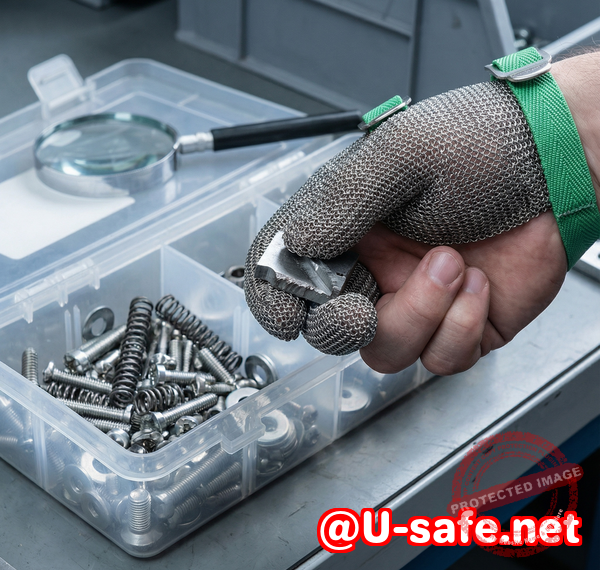
I’ve been there myselfstanding in a store or scrolling through online shops, unsure of what to look for and wondering if I’m about to purchase a cheap imitation. In fact, this is a common issue for many buyers, and one that can lead to unsafe, subpar purchases. Chainmail gloves are an investment, so it’s crucial to understand what makes a glove worth your hard-earned money.
In this article, I’ll take you through the key steps of inspecting chainmail gloves, focusing on Aegimesh Chainmail products, and share practical advice to help you make an informed decision. Let’s dive in!
Evaluating Chainmail Quality: What to Look For
Chainmail gloves may seem simple, but there’s more to them than meets the eye. Whether you’re buying for protection, display, or cosplay, evaluating the quality of the chainmail is a crucial first step. Let’s break down a few pain points that buyers often face when purchasing chainmail:
-
Welded vs. Open Rings
-
One of the most critical aspects of chainmail quality is the ring structure. You may have heard of “welded rings” and “open rings,” but how can you tell the difference? Open rings are prone to unravelling, making them unsuitable for protective use.
-
Tip: Gently pull on the rings to check if they’re securely welded. If you can easily pull a ring apart, it’s an open-ring chainmail, which is not ideal for cut-resistant purposes.
-
-
The Right Stainless Steel Grade
-
Not all stainless steel is the same. For high-quality chainmail, you need to ensure you’re getting either 304 or 316 stainless steel, with 316 being the more durable, corrosion-resistant option, especially in environments like food processing or industrial settings.
-
Tip: Always ask the seller about the grade of stainless steel used. If you’re unsure, look for manufacturers that clearly list this information, like Aegimesh.
-
-
Weak Weaves
-
You might think that chainmail is invulnerable, but poorly made weaves can lead to weak spots. A sloppy weave compromises the integrity of the gloves, making them less reliable for cut protection.
-
Tip: Look for European 4-in-1 weave patterns, as they are well-known for their strength. You can also feel the glove and look for any unevenness in the links. A high-quality glove should feel solid with no gaps or soft spots.
-
Why Aegimesh Chainmail Is a Trusted Solution
At Aegimesh, we’re committed to providing high-quality chainmail products that meet rigorous safety and durability standards. Whether you’re buying for industrial use, cosplay, or as a historical replica, our products are designed to be tough, reliable, and long-lasting. We also offer a helpful guide and inspection tools to ensure you can easily evaluate chainmail before making a purchase.
How to Inspect Chainmail Gloves
Let’s now break down the key inspection steps you can use to evaluate any chainmail glove, especially for the intended use you have in mind. Here are some practical tips:
1. Check the Material
The first thing you should do when evaluating a chainmail glove is to verify the material. High-quality chainmail is made from stainless steel, but not all stainless steel is created equal.
-
304 Stainless Steel: While it’s strong and corrosion-resistant, it’s less durable than 316 steel. It works fine for light industrial tasks and cosplay.
-
316 Stainless Steel: If you’re buying for industrial or food handling purposes, you’ll want to look for 316 stainless steel. It’s more resistant to corrosion, especially in humid or salty environments.
How to inspect:
-
Ask for details on the grade of steel used. For instance, Aegimesh products clearly list their materials.
-
If the product description doesn’t mention the material, avoid purchasing it.
2. Inspect the Rings
Now, let’s take a closer look at the rings. As mentioned earlier, the difference between welded and open rings is critical.
How to inspect:
-
Perform a simple pull test. Gently tug the rings. If they separate easily, you’re dealing with open rings. If the rings feel secure and tight, they’re welded rings, which are much more durable and reliable for safety purposes.
Tip: The larger the ring, the less durable the chainmail. The ideal chainmail gloves have rings that are neither too large nor too small. A good size to look for is around 1/4 inch in diameter.
3. Evaluate the Weave Pattern
Next, assess the weave pattern. The European 4-in-1 weave is considered the gold standard for strength. This weave provides a strong, interlocking structure that makes the chainmail more durable and resistant to cuts.
How to inspect:
-
Run your fingers through the weave. If the gloves are well-made, the links should feel evenly spaced and tight, with no loose or irregular links.
-
If you notice any parts where the rings are overlapping inappropriately or gaps between them, this could indicate a poorly constructed weave.
4. Examine Wire Thickness and Inner Diameter
Wire thickness and ring inner diameter are other key factors in determining chainmail strength. A thicker wire generally indicates a stronger glove.
How to inspect:
-
Check the wire thickness. A good-quality chainmail glove should have a wire thickness of about 1mm to 2mm. Too thin, and the glove won’t provide adequate protection. Too thick, and the glove will be uncomfortable and less flexible.
-
Measure the inner diameter of the rings. Smaller diameters typically offer better cut resistance.
Real-Life Example: Choosing the Right Chainmail for Your Needs
I’ve been in situations where buying a chainmail glove for the wrong purpose led to disappointment. A couple of years ago, I bought a chainmail glove for industrial use, but the rings were too large and weak, and the glove didn’t provide the protection I needed. After switching to a high-quality product like Aegimesh, I noticed a massive improvement in durability and comfort.
The same applies to cosplay or historical replicas. While the aesthetic may be important, the quality of the weave and material determines whether the chainmail will hold up over time.
Why Chainmail Inspection Matters
By taking the time to properly inspect chainmail gloves, you ensure that you’re not wasting money on subpar or unsafe products. Whether you’re using the gloves for industrial work or as part of a costume, quality matters.
-
For industrial use: You want gloves that will withstand heavy-duty tasks and protect against cuts.
-
For food processing: You need gloves that are hygienic, durable, and corrosion-resistant.
-
For cosplay or historical replicas: You want something that looks authentic but also holds up to wear.
Conclusion
After reviewing the key steps to evaluate chainmail gloves, it’s clear that quality inspection should never be skipped. By checking the material, ring welds, wire thickness, and weave pattern, you can ensure that you’re buying a high-quality, durable product.
I highly recommend following these steps to ensure any chainmail purchase meets safety and durability standards. It’s always worth the extra effort to inspect the product before committing to a purchase.
Learn more about identifying high-quality chainmail products at Aegimesh.com.
Check out our detailed chainmail inspection guide today.
FAQ
1. How can I tell if a chainmail ring is welded or open?
Simply perform a pull test. If the ring comes apart easily, it’s open. If it stays intact, it’s welded.
2. Which stainless steel grade is best for long-lasting chainmail?
316 stainless steel is ideal for industrial use and environments where corrosion resistance is important. For lighter use, 304 stainless steel is sufficient.
3. How do I inspect the weave pattern for strength?
Look for a European 4-in-1 weave, which is the most durable. Ensure the rings are tightly interwoven with no gaps.
4. What are the signs of low-quality or unsafe chainmail?
Look for open rings, irregular weaves, and thin wire that feels flimsy. These factors compromise protection and durability.
5. Can decorative chainmail be used for protective purposes?
Decorative chainmail may look great, but it often lacks the necessary strength and durability for protection. Always ensure it’s made for safety if you need it for protection.
6. How do I choose the right chainmail for industrial vs. cosplay use?
For industrial use, prioritize strength and corrosion resistance (look for 316 stainless steel). For cosplay, focus on aesthetics and comfort, though durability still matters for longevity.
Tags or Keywords
-
chainmail quality
-
welded rings
-
stainless steel chainmail
-
cut-resistant chainmail
-
chainmail inspection
-
European 4-in-1 weave
-
chainmail durability




 한국어
한국어  Русский
  Deutsch
  العربية