


Steel Metal Chainmail and Safety Certification
Steel Metal Chainmail and Safety Certification: How to Evaluate Quality for Protection and Durability
When purchasing chainmail, whether for protection in a high-risk industry, as a costume for cosplay, or for historical reenactments, many of us face a common dilemma: How do I know if what I’m buying is truly high-quality? Chainmail can be a vital tool in various settings, and its durability, safety, and overall value are important to ensure that you’re not just wasting money but also protecting yourself or others. That’s why understanding how to evaluate the quality of chainmail products is crucial.
The Problem: Identifying High-Quality Chainmail
Imagine you’re an industrial worker looking for cut-resistant chainmail to protect your hands while working with sharp materials. Or perhaps you’re a cosplayer, hunting for the perfect medieval armor for an upcoming event. In both cases, you’re hoping to find chainmail that offers the necessary protection and durabilitybut the sheer variety of products available can make it overwhelming. How do you tell if the rings are welded or just open, or if the steel used will stand up to the wear and tear you expect?
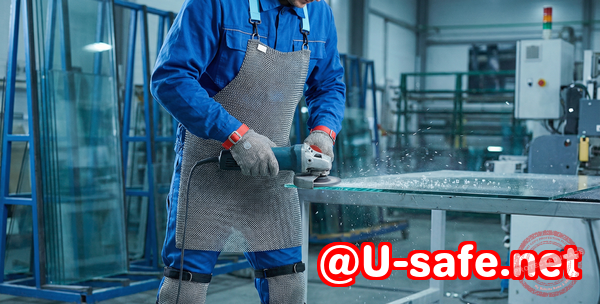
Here’s the issue many buyers face: the difference between high-quality and low-quality chainmail isn’t always visible to the untrained eye. What looks like a sturdy piece of chainmail could actually be a decorative imitation, offering little protection or longevity. That’s where our guide comes inproviding you with the knowledge to inspect chainmail like a pro and make sure your purchase is worth it.
Common Chainmail Evaluation Challenges
When it comes to evaluating chainmail, here are a few common issues I’ve encounteredand I know many others have too:
-
Welded vs Open Rings: One of the first things you’ll encounter is the type of rings used in the weave. Open rings are often a cheaper alternative to welded rings, but they’re not nearly as durable or reliable for protective use. Differentiating between the two can be tricky without a closer inspection.
-
Choosing the Right Stainless Steel: Stainless steel chainmail comes in different grades, and while 304 stainless steel is common, it’s not always the best for every application. The 316 grade, for example, offers superior corrosion resistance, making it a better choice for certain environments. But how do you know which one you’re dealing with?
-
Weave Patterns and Durability: Not all weaves are created equal. The European 4-in-1 pattern, a staple of medieval armor, offers excellent durability, but how can you be sure that the pattern is intact and well-executed?
These are just a few of the hurdles many buyers face, but don’t worryI’ve got some tips and tricks up my sleeve to help you spot a high-quality chainmail piece.
How to Inspect Chainmail for Quality
I’ve found that when it comes to chainmail, the devil is in the details. Here are the key areas to focus on when inspecting chainmail to ensure it’s up to par:
1. Check the Material: 304 vs 316 Stainless Steel
Not all stainless steel is created equal. While 304 stainless steel is a popular choice for many applications, it doesn’t stand up as well to corrosion, especially in environments with high moisture or salt (think food processing or marine work).
For industrial or outdoor use, look for chainmail made from 316 stainless steel, which offers much better corrosion resistance. This makes a significant difference in longevity and functionality, especially in tough conditions.
Tip: If the chainmail doesn’t explicitly mention the material, don’t hesitate to ask the seller or manufacturer. It’s worth it to get this right.
2. Inspect the Ring Welding
One of the easiest ways to spot poor-quality chainmail is by looking at the rings. High-quality chainmail uses welded rings, which are far more secure and durable than open rings. Open rings can bend, break, or pull apart with very little effort, compromising the integrity of the chainmail.
How to check: Look closely at the edges of the rings. If you see a visible seam or gap, the ring is likely open. If the rings appear solid and seamless, they are probably welded.
3. Wire Thickness and Inner Diameter
The thickness of the wire and the inner diameter of the rings are critical factors in determining the strength of the chainmail. Thin wires or oversized rings can result in weak spots that compromise the overall protection. For example, thinner wires may bend easily or break under pressure, and rings that are too large for the weave pattern will result in a loose, ineffective mesh.
Tip: Look for a wire that feels substantial to the touchnot too flimsy or hollow. A good rule of thumb is that the wire should be thick enough to support the expected use but not so thick that it adds unnecessary weight.
4. Examine the Weave Pattern: European 4-in-1
The European 4-in-1 weave is one of the most well-known and reliable patterns used in chainmail. It involves each ring connecting to four other rings, which creates a sturdy, flexible, and strong structure. However, poor craftsmanship can result in an uneven or incomplete weave that weakens the entire piece.
How to check: Gently pull at the weave and see if the rings hold their shape. If you notice gaps or rings that shift easily, it could indicate a poorly executed pattern.
5. Test Durability: Pull Test
A simple way to check the strength of chainmail is to perform a “pull test.” Gently tug on the rings in different directions to see if any separate or loosen. A well-made piece of chainmail will have very little give and should feel solid under tension.
Tip: If any rings start pulling apart, it’s a sign that the chainmail isn’t going to last under stress and could pose safety risks.
The Benefits of Proper Inspection
By performing a detailed inspection, you can ensure your chainmail serves its intended purpose. Whether you’re using it for industrial cut protection, food handling, cosplay, or historical replicas, understanding what to look for can save you a lot of time, money, and frustration.
Here are some key benefits:
-
Avoid unsafe purchases: Improperly made chainmail can be a hazard, especially in industrial or food processing settings.
-
Ensure durability: Well-crafted chainmail will withstand the test of time, offering lasting protection and functionality.
-
Save money: Spotting low-quality products early on means you won’t waste money on subpar options.
-
Make informed choices: Understanding material quality, weave patterns, and other details empowers you to select the best chainmail for your needs.
Conclusion: Your Guide to High-Quality Chainmail
When it comes to buying chainmail, I highly recommend following these simple inspection methods to ensure your purchase is top-notch. Whether you’re gearing up for a cosplay event or outfitting your workplace with industrial-grade protection, quality is key.
For a more detailed look at how to evaluate chainmail and make the best purchase decision, check out our full guide. You can also explore our selection of premium chainmail products at Aegimesh Chainmail.
Remember: Don’t settle for anything less than quality when it comes to chainmail. With a little knowledge and some careful inspection, you can ensure your purchase meets safety and durability standards.
Frequently Asked Questions (FAQs)
-
How can I tell if a chainmail ring is welded or open?
-
Inspect the ring closely. Welded rings will have no visible seams, while open rings will show a gap where the ends meet.
-
-
Which stainless steel grade is best for long-lasting chainmail?
-
316 stainless steel offers superior corrosion resistance and is ideal for environments with high moisture, while 304 stainless steel is suitable for general use.
-
-
How do I inspect the weave pattern for strength?
-
Look for a European 4-in-1 weave, which ensures maximum strength and flexibility. Gently pull the rings to check for gaps or loose connections.
-
-
What are the signs of low-quality or unsafe chainmail?
-
Low-quality chainmail will have open rings, thin wires, poorly executed weaves, and signs of corrosion or rust.
-
-
Can decorative chainmail be used for protective purposes?
-
Decorative chainmail, often used for costumes, is not designed for protection. It lacks the durability and strength needed for safety applications.
-
-
How do I choose the right chainmail for industrial vs cosplay use?
-
For industrial use, opt for chainmail made from 316 stainless steel with welded rings. For cosplay, European 4-in-1 weave with 304 stainless steel is often sufficient.
-





 한국어
한국어  Русский
  Deutsch
  العربية