


Steel Metal Chainmail for Factory Floor Safety
Steel Metal Chainmail for Factory Floor Safety: How to Choose the Right Chainmail for Protection and Durability
When it comes to purchasing chainmail, whether for industrial safety, cosplay, or historical reenactments, the challenge is always the same: How can I be sure I’m getting high-quality chainmail? As someone who has spent plenty of time evaluating chainmail for both personal and professional use, I’ve seen the confusion buyers often face. It’s easy to be overwhelmed by the variety of products out there, especially with so many imitations claiming to provide the same level of protection and durability as higher-end options.
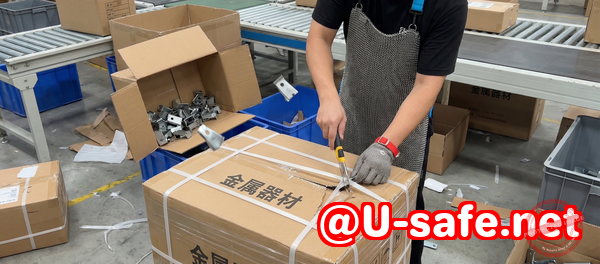
When you’re buying chainmail for a factory floor, food processing, or even a high-impact cosplay costume, the stakes are even higher. You want something that not only looks great but also provides the safety, strength, and longevity needed for your specific use case. In this article, I’ll guide you through the process of evaluating chainmail quality and help you understand what makes a piece of chainmail truly durable and safe.
The Challenge: Identifying Quality Chainmail
A common issue buyers face when looking for high-quality chainmail is distinguishing between genuine, sturdy chainmail and cheap imitations that can fail when you need them most. If you’ve ever been burned by a chainmail purchase that fell apart too soon or didn’t provide adequate protection, you’re not alone.
Some buyers also struggle to understand the nuances of materials and manufacturing. Does it matter if the rings are welded or open? What’s the difference between 304 and 316 stainless steel? And, what about the weave patternsare certain ones better for safety or aesthetic purposes?
Let me walk you through some of these important details to ensure you’re equipped to make an informed decision.
Common Problems When Evaluating Chainmail
1. Welded Rings vs. Open Rings
One of the first red flags to watch for is whether the rings are welded or open. Open rings are simply loops of wire that are not closed securely, making them much weaker and prone to pulling apart under stress. Welded rings, on the other hand, are permanently closed, providing far better durability and safety, especially in industrial environments.
If you’re purchasing chainmail for cut-resistant protection, like for a factory floor or food processing, you absolutely want to ensure that the rings are welded. Open rings simply can’t withstand the same levels of abrasion and impact as welded rings.
2. Understanding Stainless Steel Grades
The material used for the chainmail rings is another critical factor. Stainless steel is commonly used for its corrosion resistance and strength, but not all stainless steel is created equal. There are two common grades to look for: 304 and 316 stainless steel.
-
304 stainless steel is more common and resistant to rust, but it is not as corrosion-resistant as 316.
-
316 stainless steel contains molybdenum, making it much more resistant to saltwater and other corrosive environments. This makes 316 the better option if you’re looking for chainmail that can withstand extreme conditions, such as exposure to salt or chemicals.
In industrial settings or food handling, 316 stainless steel is typically the better choice. However, for cosplay or historical displays, 304 might be perfectly sufficient.
3. Weak Weaves and Poor Craftsmanship
Another major issue to consider is the weave pattern. The European 4-in-1 weave is one of the most popular choices for its strength and flexibility. If a manufacturer uses a weaker or inconsistent weave pattern, the durability of the chainmail will suffer. It’s crucial to inspect the chainmail carefully to ensure that the weave is tight and consistent.
How to Inspect Chainmail for Quality
The good news is that inspecting chainmail for quality doesn’t have to be complicated. With a few simple steps, you can easily verify whether the chainmail is up to your standards.
1. Check the Material
Start by confirming the type of steel used. Look for the grade of stainless steel mentioned in the product description. If it’s not listed, be cautious and reach out to the manufacturer for clarification.
2. Inspect the Rings
-
Welded vs. Open Rings: Run your fingers over the rings to see if you can feel any gaps or irregularities. A welded ring should be smooth and uniform, with no visible gap.
-
Wire Thickness: Thicker wire will be stronger. Ensure that the wire used for the rings is appropriately thick, especially for industrial-grade chainmail.
3. Evaluate the Weave Pattern
The European 4-in-1 weave is a common and reliable choice for durability. Make sure the rings are properly aligned and tightly woven. A sloppy or uneven weave can compromise the strength of the chainmail.
4. Perform a Simple Pull Test
One of the simplest ways to evaluate the strength of chainmail is to perform a pull test. Grip a small section of the chainmail and give it a firm tug. If the rings stay intact and the weave doesn’t distort, it’s a sign that the chainmail is well-made. If it starts to come apart or feels flimsy, move on to the next product.
5. Look for Signs of Corrosion or Poor Craftsmanship
Check for any signs of rust or corrosion, especially around the rings or at the junctions of the weave. If the chainmail has been improperly stored or handled, it may already show signs of wear and tear.
Why It’s Important to Inspect Your Chainmail
Proper inspection goes beyond just identifying poor craftsmanshipit’s about ensuring safety and durability. For industrial applications, low-quality chainmail could leave workers exposed to dangerous cuts or abrasions. In food processing environments, it could contaminate products. Even in cosplay, weak chainmail might ruin your entire costume or lead to discomfort during wear.
By taking the time to inspect your chainmail properly, you not only save money but also ensure that your purchase will stand the test of time, whether you’re using it for protective gear, historical reenactments, or a cosplay event.
Conclusion: The Key to Finding High-Quality Chainmail
In conclusion, I highly recommend taking the time to follow these simple inspection steps when evaluating chainmail. By checking the material, inspecting the rings and weave pattern, and performing basic tests, you can avoid purchasing unsafe or low-quality chainmail. This will help you make an informed decision whether you’re looking for industrial protection, cosplay, or something for display.
Learn more about identifying high-quality chainmail products: Aegimesh Chainmail
Check out our detailed chainmail inspection guide today.
FAQs About Chainmail Quality
-
How can I tell if a chainmail ring is welded or open?
-
Feel the ringwelded rings will be smooth and seamless, while open rings will have a visible gap.
-
-
Which stainless steel grade is best for long-lasting chainmail?
-
For industrial or corrosive environments, 316 stainless steel is ideal. For less demanding applications, 304 stainless steel works fine.
-
-
How do I inspect the weave pattern for strength?
-
Look for a tight, consistent weave with the rings properly aligned. The European 4-in-1 weave is a good sign of strength.
-
-
What are the signs of low-quality or unsafe chainmail?
-
Look for rust, inconsistent welding, poorly woven rings, or rings that feel too thin or weak.
-
-
Can decorative chainmail be used for protective purposes?
-
While decorative chainmail can look great, it may not provide the same level of protection as chainmail designed for industrial or safety use.
-
-
How do I choose the right chainmail for industrial vs. cosplay use?
-
For industrial use, opt for welded rings and 316 stainless steel. For cosplay, 304 stainless steel with an aesthetic weave may suffice.
-
Tags or Keywords:
-
chainmail quality
-
welded rings
-
stainless steel chainmail
-
cut-resistant chainmail
-
chainmail inspection
-
European 4-in-1 weave
-
chainmail durability




 한국어
한국어  Русский
  Deutsch
  العربية