


Chainmail Under EN 1082 Understanding Its Protective Capabilities
Chainmail Under EN 1082: Understanding Its Protective Capabilities
When it comes to purchasing chainmail, whether it’s for industrial use, cosplay, or collecting, the task of evaluating quality can feel overwhelming. As a buyer, you’re faced with a range of options: shiny, durable pieces meant to protect, or perhaps an imitation that’s more about aesthetics than safety. How do you know if you’re getting the real deal? How can you be sure your chainmail will withstand the demands of its intended purpose?
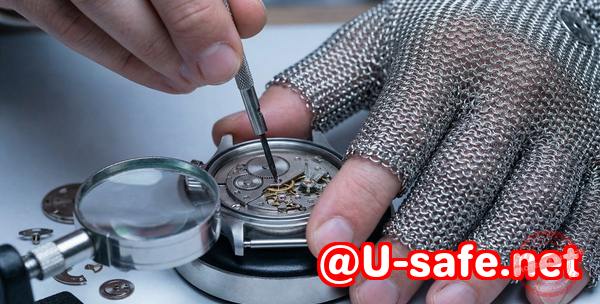
In this guide, we’ll break down everything you need to know about evaluating chainmail quality, specifically focusing on EN 1082 standards. This is essential if you want to make sure your investmentwhether for protective workwear, cosplay, or historical reenactmentsis both safe and durable. Let’s dive into the world of chainmail and explore how to avoid common pitfalls and find top-quality pieces that can serve their purpose effectively.
The Problem: Identifying Quality Chainmail
For many, buying chainmail can be a minefield. Perhaps you’ve experienced one of these situations:
-
You bought a chainmail shirt online, only to find that it’s too flimsy and falls apart under the slightest pressure.
-
Or, maybe you’ve purchased something that looks solid, only to have it corrode after just a few uses in humid conditions.
-
You might even be unsure if the piece you bought is actually safe for industrial use or merely decorative.
These are all too common issues that buyers face when evaluating chainmail. But what if I told you there’s a way to avoid all these pitfalls?
How to Evaluate Chainmail Quality: A Step-by-Step Guide
Chainmail is a versatile product, used in everything from historical reenactments to food safety and industrial protection. But not all chainmail is created equal. Here’s how to assess the quality of chainmail to ensure you’re making an informed purchase:
1. Material: Stainless Steel Matters
The first thing to look at is the material. While there are many types of metals used in chainmail, stainless steel is the go-to choice for high-quality, durable products.
-
304 Stainless Steel: This is a more common grade and offers decent durability, but it’s not resistant to corrosion in harsher environments (such as high humidity or exposure to salty air).
-
316 Stainless Steel: This is the premium grade of stainless steel, offering excellent resistance to corrosion and extreme environments. It’s often used in industrial settings or for food safety applications, where rust or degradation could compromise health.
To evaluate the material:
-
Check the product details to confirm the stainless steel grade.
-
Inspect the surface for any signs of discoloration, which could indicate a lower-quality metal or poor finishing.
2. Ring Welding: Welded vs. Open Rings
One of the most critical factors in determining the strength of chainmail is the ring type.
-
Welded Rings: Welded rings are fused together to create a strong, seamless connection. This process adds durability, ensuring that the chainmail will withstand stress and pressure.
-
Open Rings: These are simply rings that have been linked together, often with little more than a simple wire twist. They’re more fragile and likely to fall apart under strain.
How to check:
-
Simply run your finger along the ring’s edges. If you can feel a seam, it’s probably an open ring. A smooth edge means the ring is welded.
3. Wire Thickness and Ring Diameter
Wire thickness and ring diameter are also crucial in determining durability. A thicker wire generally results in stronger chainmail, especially when combined with a smaller ring diameter.
-
Wire Thickness: The thicker the wire, the stronger the chainmail will be. For example, chainmail made with thinner wire may bend or break under pressure.
-
Ring Diameter: The inner diameter of the rings affects the tightness of the weave and the protection offered. For maximum durability, smaller rings provide a tighter, stronger weave.
How to check:
-
Look closely at the wire’s thickness. You should be able to discern whether it’s thick enough for the intended use (industrial, cosplay, etc.).
-
Measure the inner diameter of the rings (this can often be done with a simple ruler). Compare it with standard measurements for your intended usetypically, ” (6 mm) is good for general protective uses.
4. Weave Patterns: European 4-in-1 vs. Other Weaves
The weave pattern is another essential factor in chainmail strength. The most popular and reliable pattern is the European 4-in-1 weave, where each ring connects to four others. This creates a solid, durable mesh that can withstand high impact.
Other weaves, like 6-in-1, may offer more protection, but they are heavier and less flexible, which might be a downside in certain uses, like cosplay.
How to check:
-
Look at the weave to see if the rings are interconnected in the European 4-in-1 pattern.
-
Test the flexibility of the material by gently tugging it. If the weave feels tight and resilient, it’s a sign of good craftsmanship.
5. Perform a Simple Pull Test
One of the easiest ways to check the quality of chainmail is to perform a pull test. This will give you a sense of how well the rings hold together.
How to do it:
-
Hold a small section of the chainmail firmly and pull it. If the rings separate easily or the weave begins to distort, you’re dealing with low-quality chainmail. A high-quality piece will stay intact under strain.
6. Inspect for Corrosion and Rust
Corrosion can quickly weaken chainmail, especially if it’s exposed to harsh environments. Even if the chainmail is made of stainless steel, cheap manufacturing can lead to rusting.
How to check:
-
Examine the chainmail for any signs of rust or corrosion, particularly on the seams or edges of the rings.
-
For food-grade or industrial chainmail, make sure the product has been specially treated to resist corrosion.
Why Proper Inspection Matters
By following these steps, you can avoid making an unsafe or expensive mistake. A well-constructed, high-quality chainmail product will serve its purposewhether it’s to protect against cuts in a food processing environment, serve as cosplay armor, or hold up during historical reenactments. Investing time in inspection ensures that your purchase meets safety standards and durability requirements.
Conclusion: My Recommendation for Smart Chainmail Purchases
Having gone through these steps, I highly recommend following them to make sure any chainmail purchase you make meets the necessary safety and durability standards. Whether you’re looking for industrial-grade protection, cosplay costumes, or a collector’s item, these simple inspection methods can help you identify quality chainmail.
For further guidance on chainmail inspection and buying high-quality pieces, feel free to check out our detailed chainmail inspection guide at Aegimesh Chainmail.
FAQs
-
How can I tell if a chainmail ring is welded or open?
-
Run your finger along the edge of the ring. A welded ring will have a smooth, continuous surface, while an open ring will have a visible seam.
-
-
Which stainless steel grade is best for long-lasting chainmail?
-
316 Stainless Steel is the best choice for long-lasting chainmail due to its superior corrosion resistance.
-
-
How do I inspect the weave pattern for strength?
-
Check if the chainmail follows the European 4-in-1 pattern. This weave provides strength while maintaining flexibility.
-
-
What are the signs of low-quality or unsafe chainmail?
-
Poor welding, loose rings, or noticeable corrosion are signs of low-quality chainmail.
-
-
Can decorative chainmail be used for protective purposes?
-
Decorative chainmail may not provide the level of protection needed for industrial or safety purposes, as it’s often made from weaker materials or open rings.
-
-
How do I choose the right chainmail for industrial vs cosplay use?
-
For industrial use, choose thicker, welded rings made from high-grade stainless steel. For cosplay, a lighter, more flexible weave may be suitable, but ensure the rings are still durable.
-
Keywords
chainmail quality, welded rings, stainless steel chainmail, cut-resistant chainmail, chainmail inspection, European 4-in-1 weave, chainmail durability





 한국어
한국어  Русский
  Deutsch
  العربية