


How EN 1082 Impacts the Quality of Industrial Chainmail
How EN 1082 Impacts the Quality of Industrial Chainmail
When it comes to purchasing chainmail for industrial use, I often hear the same concerns from buyers: “How can I be sure that what I’m buying is actually high-quality? How do I tell if it’ll provide the protection I need or just look good in photos?” These are valid concerns, especially for industries like food processing or construction, where safety is non-negotiable. After all, the last thing you want is to purchase chainmail that might look sturdy but fails when you need it most.
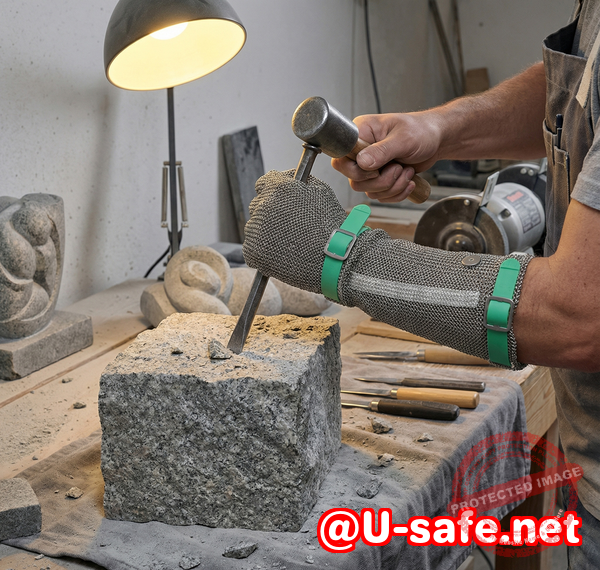
As a buyer, collector, or professional, understanding the quality of chainmail isn’t always as straightforward as it seems. With so many different grades, weaves, and styles available, it can be tough to know what’s best for your specific needs. Fortunately, there’s a reliable standard to guide us: EN 1082.
In this post, I’ll explain how EN 1082 impacts the quality of industrial chainmail and how you can use it to evaluate your purchases. I’ll also cover practical tips for inspecting the chainmail to make sure you’re getting a safe and durable product. Let’s dive in!
The Importance of EN 1082 in Industrial Chainmail
EN 1082 is a European standard that provides guidelines for protective clothing, including chainmail, used to guard against cuts and abrasions. It ensures that the materials used for industrial chainmail meet a certain level of safety, durability, and effectiveness. For industries like food processing, where workers are handling sharp knives or machinery, adhering to EN 1082 is critical. But even in other sectors, like cosplay or historical reenactments, understanding EN 1082 helps you make a more informed decision.
This standard plays a crucial role in ensuring that chainmail doesn’t just look the part but also performs as intended. Chainmail that’s made to EN 1082 standards is tested for strength, corrosion resistance, and other qualities that determine whether it will provide the protection you need.
Common Pain Points When Evaluating Chainmail Quality
-
Welded Rings vs Open Rings
One of the first things you’ll notice when inspecting chainmail is whether the rings are welded or open. Open rings might seem cheaper or easier to make, but they’re far less durable and can break under stress. For high-quality industrial chainmail, welded rings are the gold standard. They’re stronger, more secure, and will last longer, especially when exposed to harsh conditions.
-
Stainless Steel Grades
Not all stainless steel is created equal. There are various grades, but the most commonly used in chainmail are 304 and 316. While both are resistant to corrosion, 316 stainless steel is more durable and better suited for industrial applications. It’s especially important for environments exposed to harsh chemicals, saltwater, or extreme conditions. When shopping for industrial chainmail, always check the grade of stainless steel used. Aegimesh Chainmail uses top-quality stainless steel grades, including 316, for enhanced durability and corrosion resistance.
-
Weave Patterns and Ring Sizes
The weave pattern and ring diameter play a huge role in how well the chainmail will protect you. European 4-in-1 is one of the most common and effective weaves for industrial chainmail. It provides a balance of flexibility and strength, making it ideal for various industrial applications. But the size of the rings matters too! If the inner diameter is too large or too small, the chainmail may fail to protect you effectively.
Step-by-Step Chainmail Inspection: How to Verify Quality
When inspecting chainmail, it’s essential to check the following key features:
1. Material Type: 304 vs 316 Stainless Steel
The first step in your inspection should be determining the material of the chainmail. 316 stainless steel is your best bet for long-lasting, industrial-strength protection. You can often tell the difference by looking at the surface for any signs of pitting or discoloration, which could indicate that a lower grade steel was used.
2. Ring Welding: Welded or Open Rings?
Gently pull on a few rings to see if they separate. Welded rings should not come apart under pressure. Open rings, on the other hand, will separate easily, indicating a weaker and less reliable product. If the chainmail is intended for heavy-duty work, like food processing or construction, insist on welded rings for maximum safety.
3. Wire Thickness and Ring Diameter
The thickness of the wire is an important indicator of strength. Thicker wires generally indicate a more durable product. Similarly, the diameter of the rings should be consistent across the entire piece of chainmail. If the rings are too thin or the diameter is inconsistent, the chainmail may not provide the protection you need. For industrial uses, the wire thickness should ideally be around 1mm or more, with an inner diameter that complements the weave.
4. Weave Patterns
European 4-in-1 weave is one of the strongest and most common patterns used in industrial chainmail. It creates a tight, interwoven structure that resists cuts and abrasions. If the weave looks loose, uneven, or inconsistent, you might be dealing with a low-quality product that could fail under pressure. To test this, gently stretch the chainmail and see how it holds together. A strong weave will feel firm and durable.
5. Corrosion Resistance
Corrosion can weaken chainmail over time, especially in industrial environments where exposure to moisture or chemicals is common. Look for signs of rust or discoloration, particularly around the ring welds or the surface of the steel. High-quality chainmail made with 316 stainless steel should show little to no signs of corrosion, even after exposure to moisture.
Why Proper Inspection Matters
Taking the time to inspect chainmail properly can save you a lot of hassle and money. High-quality chainmail will not only last longer but will also ensure that you’re protected in potentially dangerous environments. For example:
-
Industrial Chainmail for Cut Protection: If you’re working in a food-processing facility or an environment where sharp objects are common, low-quality chainmail might not hold up to repeated use. A weak weave or open rings can leave you vulnerable to injury.
-
Decorative or Cosplay Chainmail: Even for cosplay or historical replica chainmail, you don’t want to settle for something that looks the part but lacks durability. A chainmail suit with poorly welded rings or low-quality steel could break during wear, ruining your costume or collectible.
By following these inspection tips, you can ensure you’re purchasing a product that is up to standard and provides the protection you need, whether it’s for professional, industrial, or decorative use.
Conclusion
In conclusion, EN 1082 plays a vital role in ensuring the quality and safety of industrial chainmail. By understanding and using this standard, you can avoid low-quality products and make more informed decisions when purchasing chainmail. I highly recommend following these steps when inspecting chainmail to ensure it meets your durability and safety requirements.
Whether you’re purchasing chainmail for industrial use or as a collector, understanding the key aspects of chainmail quality will help you make the right choice. Don’t settle for anything less than high-quality chainmail that’s built to last.
Ready to learn more? Check out our detailed chainmail inspection guide today: Aegimesh Chainmail.
FAQs
-
How can I tell if a chainmail ring is welded or open?
Gently pull on a few rings. Welded rings should not come apart, while open rings will separate easily.
-
Which stainless steel grade is best for long-lasting chainmail?
316 stainless steel is the best option for industrial chainmail, offering superior corrosion resistance and durability.
-
How do I inspect the weave pattern for strength?
Look for a consistent, tight European 4-in-1 weave. A weak or inconsistent weave may indicate poor quality.
-
What are the signs of low-quality or unsafe chainmail?
Look for signs like rust, inconsistent ring sizes, poor welding, and weak or loose weaves.
-
Can decorative chainmail be used for protective purposes?
Decorative chainmail may look good but often lacks the strength required for protection. Always check the material and weave before use.
-
How do I choose the right chainmail for industrial vs cosplay use?
For industrial use, focus on welded rings, thicker wires, and high-quality steel (316). For cosplay, aesthetics and comfort are key, but don’t compromise too much on durability.
-
Is Aegimesh Chainmail suitable for both industrial and cosplay uses?
Yes! Aegimesh offers chainmail made with top-quality materials, perfect for both industrial applications and high-quality costume pieces.
Tags/Keywords
-
Chainmail quality
-
Welded rings
-
Stainless steel chainmail
-
Cut-resistant chainmail
-
Chainmail inspection
-
European 4-in-1 weave
-
Chainmail durability




 한국어
한국어  Русский
  Deutsch
  العربية