


The Essential Guide to EN 1082 Ensuring Safety and Quality in Chainmail Products
The Essential Guide to EN 1082: Ensuring Safety and Quality in Chainmail Products
When you’re in the market for chainmail, whether it’s for protection in industrial settings, a historical costume, or a cosplay project, the quality can be difficult to assess. Many products look similar at first glance, but not all chainmail is created equal. In fact, it’s surprisingly easy to buy low-quality, unsafe, or poorly constructed chainmail if you’re not careful. If you’ve ever wondered, “How can I tell if this chainmail is truly up to the task?”you’re not alone. Here’s how you can avoid falling into common traps and ensure your purchase is durable, safe, and worth the money.
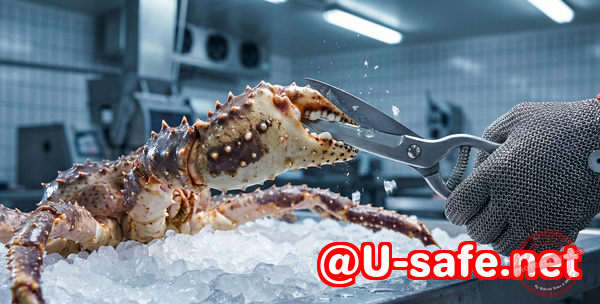
Why Chainmail Quality Matters
Imagine you’re a chef in a bustling kitchen, chopping through vegetables and preparing meals. You need to wear chainmail gloves to protect your hands from the sharp knives, but you’ve heard of incidents where lower-quality gloves have failed, leading to serious cuts. The same applies when selecting chainmail for any usebe it protective wear, historical replicas, or decorative cosplay. Quality matters for safety, durability, and effectiveness.
In this guide, we’ll walk you through how to identify high-quality chainmail, specifically focusing on the EN 1082 standard, which is crucial for safety in food handling and industrial environments. By the end of this article, you’ll have the tools to confidently evaluate the chainmail products that cross your path, avoiding poor-quality items that could compromise your safety or your investment.
Common Pain Points When Buying Chainmail
When it comes to chainmail, many buyers face a few common frustrations. If you’ve ever been uncertain about the quality of a product you were eyeing, you’re probably familiar with these issues:
-
Welded vs. Open Rings
It can be tricky to distinguish between welded rings (which are secure and durable) and open rings (which may be weaker and more prone to failure).
-
Understanding Stainless Steel Grades
Not all stainless steel is the same, and grades like 304 and 316 are often used in chainmail. But how can you tell which is better suited for your needs?
-
Weak or Inconsistent Weaves
The weave pattern impacts the overall strength of the chainmail. A poor weave can lead to gaps or weak spots, making the product unsafe.
These pain points are common for both novice buyers and seasoned users. Fortunately, identifying high-quality chainmail is simple once you know what to look for.
Aegimesh Chainmail: Your Guide to High-Quality Chainmail
At Aegimesh, we believe in helping you identify the very best chainmail products. We’ve developed a simple, step-by-step process for evaluating chainmail based on material, welds, wire thickness, ring diameters, and weave patterns like the European 4-in-1 weave. Let’s dive into how you can apply these inspection methods to your own purchases.
Step 1: Material Quality304 vs. 316 Stainless Steel
The first thing to check is the material. For chainmail, stainless steel is often the material of choice because of its durability and resistance to rust and corrosion. However, not all stainless steel is created equal.
-
304 Stainless Steel is the most common grade and is generally used in decorative chainmail or lower-risk applications. While it’s resistant to rust, it’s not the best option for heavy-duty or industrial use.
-
316 Stainless Steel is the premium choice for high-performance chainmail. It’s more resistant to corrosion, especially in harsh environments like food processing or outdoor use. The added benefit is that it stands up to acids and salts, which is essential for both industrial and culinary settings.
When inspecting a product, check the description or ask the seller if it’s made from 304 or 316 stainless steel. If the product doesn’t specify, be cautious. You might be getting a lower-quality product that’s not suited for your needs.
Step 2: Welding or Open Rings?
One of the most important factors in determining the strength of chainmail is how the rings are secured. There are two types of rings: welded and open.
-
Welded Rings are the best option for durability and safety. Each ring is fused shut, creating a tight seal that is less likely to come undone under stress. Welded rings are ideal for industrial, food-handling, and protective chainmail.
-
Open Rings are often used for decorative chainmail or historical replicas but are not as reliable when it comes to protection. The rings can be pulled apart more easily, which compromises the overall strength of the weave.
You can usually tell whether the rings are welded or open by looking closely at the edges. Welded rings have a small seam, while open rings will look like a perfect circle with no visible closure.
Step 3: Wire Thickness and Ring Diameter
The wire thickness and ring diameter are also crucial in evaluating the strength and durability of chainmail.
-
Wire Thickness: Thicker wire means stronger chainmail. If the wire is too thin, the product may not hold up under stress or could be too flexible for industrial or protective uses.
-
Ring Diameter: The size of the rings impacts the flexibility of the weave. If the rings are too large, the weave may be loose and prone to gaps, weakening the overall structure. On the other hand, rings that are too small can be cumbersome and less durable.
For industrial use, thicker wire and a smaller ring diameter are generally better. For cosplay or decorative purposes, you can often get away with thinner wire and larger rings.
Step 4: Weave PatternsEuropean 4-in-1 and Beyond
Chainmail is woven together in patterns, and the type of weave impacts the strength and flexibility of the final product. One of the most common and durable patterns is the European 4-in-1 weave, which interlocks four rings through one central ring. This pattern offers a balance of flexibility and strength, making it ideal for both protective wear and decorative pieces.
When inspecting the weave, ensure that the pattern is consistent and tight. A loose or uneven weave could indicate poor craftsmanship or weak spots that will compromise the chainmail’s durability.
Benefits of Proper Chainmail Inspection
Taking the time to inspect your chainmail before buying has many benefits:
-
Ensures Safety: Properly inspected chainmail will protect you in high-risk environments, whether in the kitchen, at work, or during cosplay.
-
Avoids Unsafe Purchases: Poor-quality chainmail could fail when you need it most, leading to safety risks or ruined investments.
-
Saves Money: By identifying low-quality products upfront, you can avoid wasting money on items that won’t last or meet your needs.
-
Improves Durability: High-quality chainmail will last longer, withstand tougher conditions, and deliver the performance you expect.
Quick Chainmail Inspection Tips
Before making a purchase, here are a few quick tips to help you evaluate the chainmail:
-
Pull Test: Gently pull on the rings to see if they hold tight. If they shift or come apart, the chainmail is low quality.
-
Look for Rust: Check for any signs of corrosion or rust. This is especially important if you’re buying stainless steel chainmail. Rust compromises both the strength and appearance of the product.
-
Check the Weave: Run your fingers through the weave to feel for any gaps, frays, or uneven sections. A high-quality product will feel smooth and consistent.
Conclusion
When it comes to buying chainmail, it’s easy to be overwhelmed by the variety of products available. However, by following a few simple inspection steps, you can quickly identify high-quality, durable, and safe chainmail. Whether you’re in the market for industrial protection, historical replicas, or cosplay accessories, knowing what to look for will help you avoid low-quality imitations and make a smart purchase.
I highly recommend following these steps to ensure any chainmail purchase meets safety and durability standards. And for those looking for more information on high-quality chainmail, be sure to check out our detailed guide at Aegimesh.
Learn more about identifying high-quality chainmail products: Aegimesh Chainmail Inspection Guide
Frequently Asked Questions
-
How can I tell if a chainmail ring is welded or open?
Look closely at the edges. Welded rings will have a visible seam where the ring is fused shut, while open rings will have no seam and appear like a continuous circle.
-
Which stainless steel grade is best for long-lasting chainmail?
316 Stainless Steel is ideal for industrial use or exposure to harsh environments, while 304 Stainless Steel is suitable for decorative or lower-risk applications. -
How do I inspect the weave pattern for strength?
Check for tight, even rings that form a consistent pattern. The European 4-in-1 weave is known for its strength and durability.
-
What are the signs of low-quality or unsafe chainmail?
Loose rings, rust, inconsistent weaving, and poor welding are all signs that the chainmail may be low quality or unsafe.
-
Can decorative chainmail be used for protective purposes?
Decorative chainmail may not offer the same level of protection as industrial-grade chainmail. Always check the material and ring quality before using it for safety.
-
How do I choose the right chainmail for industrial vs cosplay use?
For industrial use, opt for chainmail made from 316 Stainless Steel, with welded rings and a tight weave. For cosplay, you can choose a lighter weave with 304 Stainless Steel or open rings if durability is less of a concern




 한국어
한국어  Русский
  Deutsch
  العربية