


The Importance of EN 1082 in Protecting Against Mechanical Hazards
The Importance of EN 1082 in Protecting Against Mechanical Hazards
When it comes to purchasing chainmail for protectionwhether for industrial work, food processing, cosplay, or historical reenactmentsit’s not always easy to tell the good from the bad. As a buyer, how can you be sure the chainmail you’re considering is of the highest quality and will provide the protection or aesthetic you’re after? This is where understanding standards like EN 1082 can make all the difference.
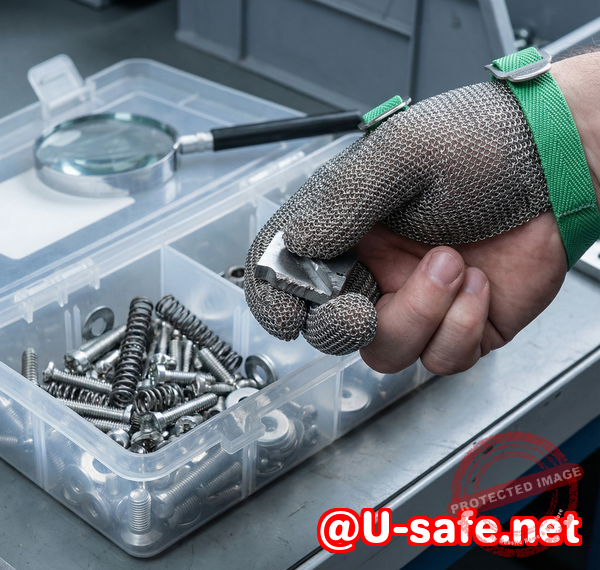
As someone who’s spent years working with chainmail, I’ve learned that evaluating the quality of a product is crucial. Many buyers fall into the trap of assuming that all chainmail is the same, only to later discover it doesn’t offer the level of protection or durability they need. So, let’s walk through how you can distinguish high-quality chainmail from low-quality products, and why standards like EN 1082 are essential when assessing protection against mechanical hazards.
Understanding EN 1082: A Standard for Safety
EN 1082 is a European standard that sets specific requirements for protective clothing made from chainmail. It focuses on protecting workers from mechanical hazards, such as cuts and abrasions, which are common in industries like food processing, manufacturing, and metalworking. The standard evaluates chainmail based on factors like material quality, construction, and performance during tests designed to simulate real-world scenarios.
As a buyer, understanding EN 1082 is important for a few reasons:
-
It ensures protection: Chainmail made to EN 1082 standards is designed to safeguard against sharp objects and mechanical risks.
-
It helps avoid unsafe products: Not all chainmail is made with safety in mind, so being able to recognize a compliant product can protect you from buying something that might fall apart or fail to protect you.
-
It saves you money: High-quality, compliant chainmail lasts longer and performs better, so you won’t need to replace it as often.
So, how can you tell if the chainmail you’re buying meets these standards and is of the highest quality? Let’s break it down.
Common Pain Points in Chainmail Quality and How to Solve Them
Difficulty Distinguishing Welded Rings from Open Rings
One of the most common issues when evaluating chainmail is knowing whether the rings are welded or open. Open rings are often weaker, making them unsuitable for industrial applications where cut resistance is crucial. Welded rings, on the other hand, are significantly stronger and provide better protection against mechanical hazards.
How to check:
-
Test the rings: Gently pull on the rings. If they pull apart, they’re likely open rings.
-
Inspect the welding: Welded rings will have a small, visible seam where the metal has been fused together.
Confusion Over Stainless Steel Grades
Not all stainless steel is created equal. While 304 stainless steel is commonly used for decorative chainmail, 316 stainless steel is the better choice for industrial and food safety applications due to its superior corrosion resistance.
How to check:
-
Ask about the grade: Always inquire about the steel grade used in the chainmail.
-
Look for product specifications: Quality manufacturers will list the material grade on the product label or description.
Weak or Inconsistent Weaves
Chainmail is only as strong as its weave. A common issue is weak or inconsistent patterns that compromise the overall durability and protection. For example, chainmail woven with a European 4-in-1 pattern provides more strength than other weaves due to the way the rings interlock.
How to check:
-
Inspect the weave pattern: A consistent, tight European 4-in-1 weave is the gold standard for protection.
-
Look for gaps: If you notice gaps between the rings or irregular patterns, the chainmail might not offer the level of protection you’re expecting.
Step-by-Step Guide for Evaluating Chainmail Quality
When purchasing chainmail, it’s important to follow a detailed inspection process to ensure the product meets the necessary standards and offers real value.
-
Material Inspection
-
Check the steel grade: Look for 304 or 316 stainless steel for durability and corrosion resistance.
-
Inspect for rust or corrosion: High-quality chainmail should show no signs of rust, even after exposure to moisture.
-
-
Ring Welding
-
Test for weld integrity: If you can pull the rings apart, the product is likely of low quality and unsuitable for protection.
-
Look at the weld seam: A well-welded ring will have a smooth, continuous seam, indicating strength and durability.
-
-
Wire Thickness & Inner Diameter
-
Measure the wire thickness: Thicker wires offer better protection, so make sure the chainmail uses high-gauge wire.
-
Check the ring diameter: Rings should be small enough to form a tight, interlocking pattern that provides strength and flexibility.
-
-
Weave Evaluation
-
Check for consistency: Ensure the weave is tight and uniform, with no irregularities that could affect strength.
-
Use the European 4-in-1 weave as a standard: This pattern provides optimal protection by interlocking rings in a way that prevents penetration.
-
-
Conduct a Pull Test
-
Test the rings’ attachment: Gently tug on the individual rings to check their strength. The chainmail should feel solid and not easily deform under pressure.
-
-
Assess for Practical Use
-
Think about your needs: Whether you’re using the chainmail for industrial work or cosplay, consider how it will hold up under different conditions. High-quality chainmail will be both flexible and durable, making it suitable for both protective and decorative purposes.
-
Benefits of a Thorough Inspection
By following these simple inspection methods, you can:
-
Avoid unsafe purchases: Ensuring your chainmail meets EN 1082 standards helps prevent dangerous mistakes in high-risk environments like food processing or construction.
-
Save money: High-quality chainmail lasts longer, so you won’t have to replace it as often.
-
Ensure durability: Properly inspected chainmail will provide long-lasting protection against cuts, abrasions, and other mechanical hazards.
Conclusion: Ensuring High-Quality Chainmail
In conclusion, knowing how to assess the quality of chainmail is essential for any buyer, whether you’re looking for protective gear, a cosplay piece, or a historical replica. Following the inspection methods outlined here will help you avoid low-quality products and ensure that your chainmail meets the necessary safety standards, such as EN 1082.
I highly recommend taking the time to inspect your chainmail thoroughly before making a purchase. Whether you’re protecting yourself from industrial hazards or searching for a durable costume piece, understanding the standards and methods for evaluating chainmail quality will save you time, money, and frustration.
Learn more about identifying high-quality chainmail products:
Check out our detailed chainmail inspection guide today.
FAQ
How can I tell if a chainmail ring is welded or open?
Look for a visible seam or weld on the ring. Gently pull the ringsif they separate, they are open rings.
Which stainless steel grade is best for long-lasting chainmail?
316 stainless steel is the best choice for industrial and food processing applications due to its corrosion resistance.
How do I inspect the weave pattern for strength?
Look for a consistent, tight European 4-in-1 weave. If there are gaps or irregularities, the chainmail may not offer the protection you need.
What are the signs of low-quality or unsafe chainmail?
Signs include weak or open rings, inconsistent weaves, rust, or corroded metal. Always inspect for these issues before purchase.
Can decorative chainmail be used for protective purposes?
Decorative chainmail is often made from lower-quality materials and may not offer the necessary protection for industrial use. Always verify the specifications.
How do I choose the right chainmail for industrial vs cosplay use?
For industrial use, choose chainmail made from 316 stainless steel with welded rings and a strong, tight weave. For cosplay, aesthetic considerations may be more important, but ensure the chainmail is durable enough for the activity.
What is the European 4-in-1 weave?
The European 4-in-1 weave is a pattern where each ring interlocks with four others, providing excellent strength and durability, ideal for protective chainmail.
Tags/Keywords:
chainmail quality, welded rings, stainless steel chainmail, cut-resistant chainmail, chainmail inspection, European 4-in-1 weave, chainmail durability




 한국어
한국어  Русский
  Deutsch
  العربية