


Chainmail and Other Protective Gear The Ultimate Comparison Guide
Chainmail and Other Protective Gear: The Ultimate Comparison Guide
When it comes to protective gear, whether you’re looking for something to wear on the job or as part of a costume, it can be challenging to know what you’re truly getting. Chainmail is an iconic protective material, but with so many different options out there, how can you tell if you’re buying the real deal or just something that looks the part? The last thing you want is to invest in a piece of protective gear that’s unsafe, fragile, or simply doesn’t meet your needs.
I’ve had my fair share of experiences with buyers who are overwhelmed by the options, unsure how to distinguish quality chainmail from subpar knockoffs. In this guide, I’m going to walk you through how to identify the key factors that define high-quality chainmail, whether you’re in the market for industrial-grade protection, historical replicas, or cosplay gear. By the end of this article, you’ll have a solid understanding of how to evaluate chainmail products, ensuring you get what you’re truly paying for.
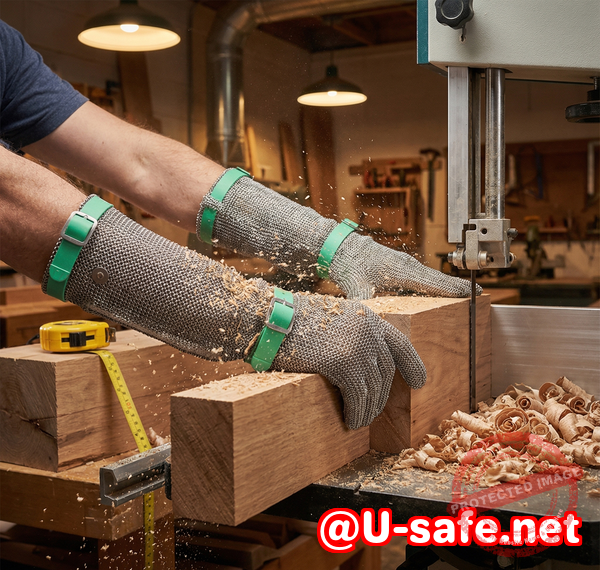
Why Chainmail Quality Matters
Chainmail has been used for centuries as a form of armor, but today it’s not just about protection on the battlefield. From industrial safety gear to cosplay costumes, chainmail serves a variety of functions. However, not all chainmail is created equal. Poor-quality chainmail can compromise safety, durability, and overall performance, whether you need it for heavy-duty use or light decorative purposes.
Common Problems People Face When Buying Chainmail
Many people, especially new buyers, face challenges when trying to determine the quality of the chainmail they want to purchase. Here are some of the most common pain points I’ve encountered:
-
Distinguishing Between Welded and Open Rings
One of the most common mistakes people make is thinking that all chainmail is created equally. A lot of products on the market use open ringspieces that aren’t welded togethermaking them weaker and less durable.
-
Uncertainty About Materials
Many chainmail products are made from stainless steel, but there’s a big difference between the various types. Some chains are made from 304-grade stainless steel, while others use the higher-end 316-grade. Without the right knowledge, it’s easy to pick the wrong one for your needs.
-
Inconsistent or Weak Weaves
Another common issue is the quality of the weave. The European 4-in-1 weave is one of the strongest and most reliable patterns, but not all manufacturers follow this method, leading to weaker designs.
How to Inspect Chainmail for Quality
If you’re looking for chainmail that’s durable, safe, and long-lasting, then knowing what to look for is crucial. Here are some essential steps I recommend to ensure you’re investing in quality gear:
1. Check the Material Type: 304 vs 316 Stainless Steel
Not all stainless steel is the same. The key difference between 304 and 316 stainless steel lies in their corrosion resistance. While 304 steel is commonly used, it’s less resistant to rusting when exposed to saltwater or harsh environments. If you’re using chainmail for industrial purposes or food processing, 316 stainless steel is the better option since it’s more resistant to corrosion and rust.
-
304 Stainless Steel: Ideal for everyday use, decorative items, and light protective gear.
-
316 Stainless Steel: Perfect for industrial-grade applications or environments with high humidity or salt exposure.
2. Inspect the Ring Quality: Welded vs Open Rings
A well-made chainmail product will have welded rings rather than open ones. Welded rings are more secure, offering better strength and durability. Open rings, while cheaper, can easily come apart and compromise the protection the chainmail provides.
To identify welded rings, look closely at the edges of each ring. If you see any gaps or the rings appear to be simply interlocked, chances are you’re dealing with open rings. On the other hand, welded rings will appear as if the ends of the ring are fused together seamlessly.
3. Evaluate the Wire Thickness and Inner Diameter
The thickness of the wire and the inner diameter of the rings are crucial for ensuring strength and durability. In general, the thicker the wire, the stronger the chainmail will be. Additionally, a smaller inner diameter will create a denser weave, which improves the protective qualities.
When inspecting, check if the rings are uniform in size and shape. Inconsistent sizing could indicate poor craftsmanship or low-quality materials. The wire should also be smooth, without any burrs or rough edges, which could compromise the comfort and safety of the wearer.
4. Assess the Weave Pattern: Look for the European 4-in-1
The European 4-in-1 weave is one of the most popular and strongest chainmail weaves. Each ring is woven through four other rings, providing maximum coverage and strength. If you’re buying chainmail for protection, this is the weave to look for. It’s used in both traditional armor and modern industrial applications due to its reliability.
Make sure the weave is tight and even, without any gaps or weak points. Poorly woven chainmail can fall apart under pressure and offer very little protection.
5. Perform a Pull Test
To assess the overall strength of the chainmail, perform a simple pull test. Gently tug on a few individual rings to see if they stay intact. If any rings come apart, it’s a clear sign of weak welding or an inferior weave. High-quality chainmail should hold up under stress and provide a reassuring amount of resistance.
6. Check for Corrosion or Wear
Corrosion is a clear sign of poor-quality material or improper storage. If you notice any rust spots or tarnishing, it’s time to look elsewhere. A good chainmail product will be made with high-quality stainless steel that resists rust and corrosion, even after long-term use.
Choosing the Right Chainmail for Your Needs
Not all chainmail is designed for the same purpose. Whether you’re looking for protective gear for your job, a historical replica, or something for a cosplay costume, it’s important to choose the right product.
-
Industrial Use: Look for 316 stainless steel with a tight European 4-in-1 weave. This will ensure durability and the ability to withstand physical stress.
-
Food Processing: Choose food-grade stainless steel and inspect for smooth edges to prevent contamination.
-
Cosplay/Decorative Use: You can opt for 304 stainless steel if you’re not concerned with extreme durability. Just ensure the rings are welded for better overall strength.
-
Historical Replicas: The quality of the weave and the material’s authenticity are essential. Look for manufacturers that specialize in accurate replicas.
Conclusion: Your Key to Choosing High-Quality Chainmail
When it comes to purchasing chainmail, whether for protection, display, or cosplay, the quality of the material and craftsmanship should be a top priority. I highly recommend following the inspection methods I’ve outlined to ensure that your purchase meets safety and durability standards. Don’t settle for inferior products that could compromise your safety or leave you disappointed.
Remember, whether you’re looking for industrial-grade protection or a decorative piece for your collection, you deserve chainmail that’s built to last. If you want more detailed guidance on how to inspect and choose high-quality chainmail, check out our in-depth guide and resources.
Learn more about identifying high-quality chainmail products: Aegimesh Chainmail Inspection Guide
Check out our detailed chainmail inspection guide today!
Frequently Asked Questions (FAQs)
1. How can I tell if a chainmail ring is welded or open?
Welded rings will have seamless edges where the ends are fused together. Open rings will show a visible gap where the ends meet.
2. Which stainless steel grade is best for long-lasting chainmail?
316 stainless steel is the best choice for long-lasting chainmail, especially in industrial or food-processing environments, as it’s more resistant to rust and corrosion than 304.
3. How do I inspect the weave pattern for strength?
Look for a tight and uniform weave, particularly the European 4-in-1 pattern, which offers maximum durability and protection.
4. What are the signs of low-quality or unsafe chainmail?
Signs include inconsistent ring size, open rings, poor welding, rough edges, and visible corrosion.
5. Can decorative chainmail be used for protective purposes?
While decorative chainmail can look great for cosplay, it’s usually not suitable for heavy-duty protective use unless it’s made from high-quality materials and crafted with a durable weave.
6. How do I choose the right chainmail for industrial vs cosplay use?
For industrial use, choose 316 stainless steel with a tight European 4-in-1 weave. For cosplay, 304 stainless steel is typically sufficient, but ensure the rings are welded for strength.
Tags or Keywords
chainmail quality, welded rings, stainless steel chainmail, cut-resistant chainmail, chainmail inspection, European 4-in-1 weave, chainmail durability




 한국어
한국어  Русский
  Deutsch
  العربية