


Chainmail vs Kevlar Understanding the Strengths of Each
Chainmail vs Kevlar: Understanding the Strengths of Each
When you’re in the market for protective gearwhether for industrial use, cosplay, or historical reenactmentsthe decision between materials like chainmail and modern fibers like Kevlar can be overwhelming. Each has its strengths, but understanding their unique benefits and limitations can make all the difference in choosing the right option for your needs.
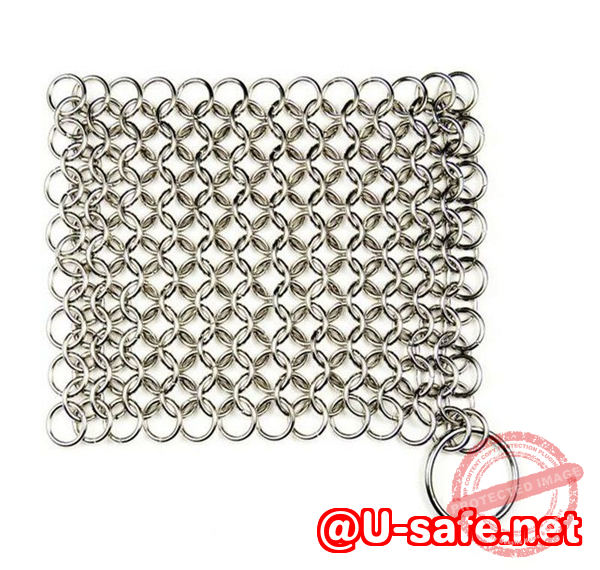
As someone who has spent years working with chainmail, I know that purchasing high-quality pieces can be tricky. There are countless options out there, many claiming to offer the best protection or the most authentic look. But how can you tell if what you’re buying is the real deal? In this article, I’ll walk you through the key differences between chainmail and Kevlar, explain how to identify high-quality chainmail, and share some expert tips for making sure your investment is safe and durable.
Understanding Chainmail: What Sets It Apart?
Chainmail has been used for centuries as a form of protection in combat, and it’s still relevant today in various industries. Aegimesh Chainmail, for instance, offers a top-tier guide for inspecting chainmail to help buyers ensure they get the most durable and reliable pieces. Here’s what to look for when considering chainmail:
-
Material Quality: Most high-quality chainmail is made from stainless steel, typically 304 or 316 grades. These materials offer high resistance to corrosion and ensure long-lasting durability. The key difference between these two types lies in their corrosion resistance316 stainless steel is particularly suited for environments exposed to saltwater or chemicals, making it a better choice for industrial settings.
-
Ring Construction: One of the most important aspects of chainmail quality is how the rings are welded. Welded rings provide much better durability and protection compared to open rings, which can break or shift over time. Aegimesh’s guide helps buyers understand the importance of welded rings and how to check for them during inspection.
-
Weave Patterns: The weave of the chainmail is another crucial element. European 4-in-1 is a standard weave that’s known for its strength and flexibility. This pattern allows the rings to interlock in a way that provides a good balance between protection and mobility.
-
Wire Thickness and Diameter: For chainmail to offer real protection, the wire thickness and inner diameter of the rings must meet certain standards. Thicker wires and appropriately sized rings ensure that the chainmail can withstand impacts and cuts. Aegimesh provides an easy way to check for these qualities before making a purchase.
The Rise of Kevlar: A Modern Alternative
Kevlar is a synthetic fiber known for its incredible strength-to-weight ratio. It’s commonly used in bulletproof vests, cut-resistant gloves, and other forms of protective clothing. While chainmail has been around for centuries, Kevlar offers a modern alternative with different benefits and limitations.
-
Lightweight Protection: One of the main advantages of Kevlar is its lightweight nature. Unlike chainmail, which can be bulky and heavy, Kevlar is much lighter and more comfortable to wear for extended periods. This makes it ideal for tasks where mobility is key, such as in industrial or food processing environments.
-
Superior Cut Resistance: Kevlar excels in cut resistance. Its fibers are woven tightly together, creating a barrier that can withstand sharp edges. In contrast, while chainmail offers excellent protection against slashing or stabbing, it may not perform as well against fine cuts from certain tools or blades.
-
Heat Resistance: Kevlar is known for its high heat resistance, which makes it ideal for industries like firefighting and high-heat environments. Chainmail, while durable, can become quite heavy and uncomfortable in hot conditions, especially in protective clothing.
-
Durability: Kevlar may be lightweight and cut-resistant, but over time, it can degrade when exposed to ultraviolet (UV) light and harsh chemicals. This is something to consider when comparing the longevity of Kevlar versus chainmail, which, when maintained correctly, can last for many years without significant wear.
Chainmail vs Kevlar: Which is Right for You?
So, how do you choose between these two materials? It depends on the specific application you’re considering.
-
For Industrial Use: If you’re looking for cut-resistant clothing for industrial environments, both Kevlar and chainmail have their merits. Chainmail offers superior protection against slicing and stabbing, while Kevlar provides better comfort and flexibility. For industries like food processing, where high hygiene standards are essential, chainmail’s durability and ease of cleaning make it an excellent choice. However, if weight and comfort are your main concern, Kevlar may be a more suitable option.
-
For Cosplay and Historical Reenactments: For cosplay and historical replica enthusiasts, chainmail is often the material of choice. Aegimesh Chainmail, for instance, provides a wide range of authentic-looking pieces with quality materials that mimic medieval armor. In this context, Kevlar wouldn’t be suitable due to its modern origins and lack of historical accuracy.
-
For Everyday Use: If you’re just looking for everyday cut protection, such as gloves or sleeves for handling sharp objects, Kevlar is a good choice. It’s lightweight, flexible, and highly resistant to cuts. However, for more robust, long-term protection, such as armor for protection in combat or for heavy-duty industrial applications, chainmail still holds a clear advantage.
Practical Tips for Evaluating Chainmail Quality
When you’re evaluating a piece of chainmail, whether for cosplay, industrial use, or historical reproduction, it’s crucial to perform a few simple inspections. Here’s how you can ensure you’re getting high-quality chainmail:
-
Inspect the Rings: Check if the rings are welded or open. Open rings are typically a sign of low-quality chainmail. Aegimesh Chainmail is known for its welded rings, which offer better durability.
-
Check the Material: Always ask about the grade of stainless steel used. 304 is commonly used, but if you’re in a more corrosive environment, 316 stainless steel might be a better option.
-
Test the Weave: Look at the weave pattern. European 4-in-1 is a reliable weave known for its balance of strength and flexibility. If the weave seems inconsistent, it could be a sign of poor craftsmanship.
-
Perform a Pull Test: Gently pull on the rings to test the strength of the weave. If the rings separate or the weave loosens, it may be time to look for a more durable product.
-
Check for Corrosion: Stainless steel should resist corrosion, but it’s still important to look for signs of rust, especially if the chainmail will be used in harsh environments.
Conclusion: Making an Informed Purchase
Choosing between chainmail and Kevlar really comes down to the specific use case and what level of protection you need. I highly recommend following the inspection steps I’ve outlined to ensure any chainmail purchase meets safety and durability standards. Whether you’re looking for industrial-grade protection or a historical replica, understanding the material quality, weave, and ring construction will help you make a better decision.
If you’re still unsure, or if you want to explore our full range of high-quality chainmail products, check out Aegimesh Chainmail today for more information and detailed guides on how to select the best option for your needs.
Frequently Asked Questions (FAQ)
-
How can I tell if a chainmail ring is welded or open?
-
A welded ring will have a smooth, continuous surface where the ends of the ring meet. Open rings will have visible gaps where the ends are joined, which compromises strength.
-
-
Which stainless steel grade is best for long-lasting chainmail?
-
316 stainless steel is more resistant to corrosion and is ideal for harsh environments, while 304 stainless steel is sufficient for general use.
-
-
How do I inspect the weave pattern for strength?
-
The European 4-in-1 weave is a good standard to look for, as it offers a solid, interlocking pattern that distributes force evenly.
-
-
What are the signs of low-quality or unsafe chainmail?
-
Inconsistent weave patterns, weak welds, rust or corrosion, and poor ring construction are all signs of low-quality chainmail.
-
-
Can decorative chainmail be used for protective purposes?
-
While decorative chainmail can look great, it may not offer the same level of protection as chainmail designed for industrial or combat use. Always inspect the material and construction quality.
-
-
How do I choose the right chainmail for industrial vs cosplay use?
-
For industrial use, look for chainmail made from durable stainless steel with tight, welded rings. For cosplay, focus on aesthetic appeal and comfort, while still ensuring the material is durable enough for the intended purpose.
-




 한국어
한국어  Русский
  Deutsch
  العربية