


The Comfort Factor How to Make Chainmail Comfortable for All-Day WearChainmail vs Cut-Resistant Gloves Which Is Right for You
The Comfort Factor: How to Make Chainmail Comfortable for All-Day WearChainmail vs Cut-Resistant Gloves: Which Is Right for You?
When you’re shopping for chainmailwhether for protection, cosplay, or displayit’s easy to get lost in the sea of options out there. It’s not just about aesthetics or the number of rings in a weave. If you plan to wear chainmail for long hourssay, for a full day at a historical reenactment, in an industrial setting, or even in food processingyou’re going to want something that’s both functional and comfortable. But how do you know if a chainmail product is really suited for all-day wear? And how does it compare to other protective gear like cut-resistant gloves?
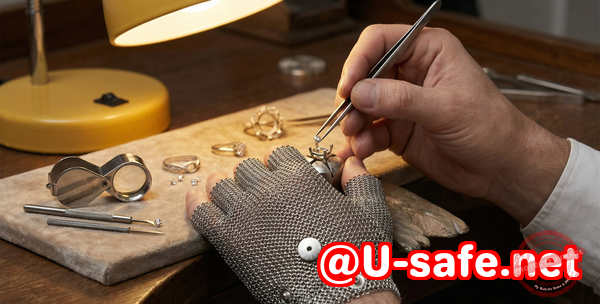
I know the struggle all too well. As a buyer, it can be hard to sift through all the different types of chainmail, especially when many claim to be durable and protective, yet lack the comfort factor. Fortunately, with a little know-how, you can easily identify the chainmail products that will stand the test of timeand provide comfort in even the most demanding situations.
Let’s break it down.
The Chainmail Comfort Factor: More Than Just Durability
When most people think of chainmail, they envision heavy, cumbersome armor, or maybe a stylish piece for cosplay or historical reenactment. But whether you’re using chainmail for professional reasons (like industrial cut protection) or personal use (cosplay or medieval recreations), comfort matters. No one wants to be weighed down or uncomfortable while performing their task.
So, what should you look for in chainmail to ensure that it is comfortable for all-day wear? Here are a few key considerations:
1. Material Quality Matters
The material used in chainmail plays a significant role in both its weight and comfort. Stainless steel is the most common material for chainmail, but not all stainless steel is created equal. High-quality chainmail will often be made from 304 or 316 stainless steel. But why does this matter for comfort?
-
304 Stainless Steel: It’s widely available and affordable, but it can be slightly heavier compared to higher grades. If you’re wearing chainmail for extended periods, this extra weight can start to feel uncomfortable.
-
316 Stainless Steel: This material is slightly more expensive but is more resistant to corrosion. It’s also a bit lighter and often smoother to the touch, making it more comfortable for all-day wear.
Choosing the right material will make a significant difference in how comfortable the chainmail feels against your skin. Aegimesh Chainmail products, for example, offer 316 stainless steel, which is lighter, rust-resistant, and smoother.
2. Ring Diameter and Weave Patterns
It’s not just the material that makes a difference; the size of the rings and the weave pattern are just as important. For comfort, you want a weave that’s tight enough to provide protection but not so dense that it adds unnecessary bulk.
The European 4-in-1 weave, one of the most popular patterns, strikes the right balance between durability and flexibility. It’s strong enough to protect against cuts while still allowing the chainmail to move with your body. The rings should also be uniform in sizetoo large and the chainmail won’t sit smoothly against your body, too small and it might restrict your movements.
Aegimesh’s European 4-in-1 weave is known for being a reliable pattern that provides optimal protection without unnecessary bulk.
3. Wire Thickness
The thickness of the wire used to make the rings also affects both the weight and comfort. Thicker wires offer stronger protection, but they can also make the chainmail heavier. For all-day wear, it’s best to go with a wire that offers durability but isn’t overly thick or heavy.
If you plan to wear the chainmail in more demanding settings, like food handling or industrial environments, look for products that offer wire thickness that can stand up to heavy use without feeling like you’re wearing a suit of armor.
Chainmail vs. Cut-Resistant Gloves: Which Is Right for You?
Another common question people ask is whether chainmail is better than cut-resistant gloves. The short answer is: It depends on the situation.
-
Cut-Resistant Gloves: These are great for handling sharp objects and provide more dexterity. However, they don’t offer full-body protection like chainmail does. If you’re only concerned about protecting your hands, gloves might be the better choice. But if you need to protect larger parts of your body, such as your arms or torso, chainmail might be the right solution.
-
Chainmail: Chainmail offers protection over larger areas and is ideal for industries that involve handling sharp materials, like butchery, metalworking, or food processing. It also provides historical reenactors and cosplayers with a more authentic look and feel. However, chainmail can be bulkier, and depending on the material and weave, may not offer the same level of dexterity as gloves.
Practical Guidance for Choosing Comfortable Chainmail
Now that we’ve covered the importance of material, weave, and wire thickness, let’s talk about how you can ensure you’re choosing chainmail that will be comfortable for long-term use. Here’s how to inspect chainmail quality before making a purchase:
1. Check for Welded Rings
Welded rings are far superior to open rings. Not only do they add strength and durability to the chainmail, but they also prevent the rings from loosening over time. This is especially important for long-term wear. To test, gently pull on a few rings to see if they shift or feel loose. If they do, the chainmail may be poorly made and uncomfortable to wear.
2. Inspect Ring Diameters
The inner diameter of the rings can affect both the strength and flexibility of the chainmail. Too large, and the weave will be less durable. Too small, and the chainmail can be stiff and difficult to wear for extended periods. Look for a product with a standard inner diameter that fits the weave pattern you’re interested in.
3. Evaluate the Weave Pattern
The European 4-in-1 weave is a popular choice because it provides both protection and flexibility. You can easily test the strength by gently pulling at the weave to see if it holds together. This also helps you identify any loose or poorly interwoven rings that could affect the comfort of the chainmail.
4. Perform a Simple Pull Test
To check if the chainmail is truly durable, you can perform a simple pull test. Gently pull at different sections of the chainmail to see how well it holds together. A well-made product will feel solid and won’t shift easily.
5. Look for Signs of Corrosion
Corrosion is a major issue for stainless steel chainmail, particularly if it’s going to be exposed to moisture or chemicals. Be sure to inspect the surface of the chainmail for any signs of rust, discoloration, or corrosion. If you spot these issues, the chainmail may not be suited for long-term wear or specific environments.
Conclusion: The Key to Comfortable, Durable Chainmail
If you’re looking for chainmail that offers both protection and comfort, the key is to focus on the material, weave, and overall construction. High-quality chainmail, like Aegimesh Chainmail, uses 316 stainless steel, tight European 4-in-1 weaves, and welded rings to ensure that you get both durability and flexibility.
I highly recommend following these inspection steps to ensure that any chainmail purchase meets your safety and comfort needs. Whether you’re buying for industrial use, cosplay, or historical reenactment, you’ll save yourself from frustration and discomfort down the line.
Want to learn more about how to evaluate high-quality chainmail? Check out our detailed chainmail inspection guide today!
FAQs
1. How can I tell if a chainmail ring is welded or open?
Welded rings are solid and don’t shift, while open rings will have a visible gap. You can try gently pulling on a few rings to test the connection.
2. Which stainless steel grade is best for long-lasting chainmail?
316 stainless steel is the best choice for long-lasting chainmail as it resists corrosion and is lighter than other grades, making it more comfortable for all-day wear.
3. How do I inspect the weave pattern for strength?
Look for a uniform European 4-in-1 weave. It should be tight but flexible, with no loose rings or spaces between them.
4. What are the signs of low-quality or unsafe chainmail?
Signs include loose rings, inconsistent wire thickness, and weak or inconsistent weave patterns. Low-quality chainmail can also show signs of rust or corrosion if the material is subpar.
5. Can decorative chainmail be used for protective purposes?
While decorative chainmail may look good, it often lacks the durability and strength needed for protection. Always opt for industrial-grade chainmail for safety.
6. How do I choose the right chainmail for industrial vs cosplay use?
For industrial use, prioritize durability, corrosion resistance, and comfort. For cosplay, focus on authenticity, flexibility, and aesthetics.




 한국어
한국어  Русский
  Deutsch
  العربية