


Common Mistakes When Selecting Chainmail Products
Common Mistakes When Selecting Chainmail Products
When purchasing chainmail, whether for protective gear, cosplay, or historical reenactments, many buyers face a common challenge: How do I know if the product I’m looking at is genuinely high-quality? It’s easy to get lost in the options, especially with the rise of cheaper, low-quality imitations flooding the market. Unfortunately, this can lead to unsafe purchases or unsatisfactory products that don’t live up to expectations.
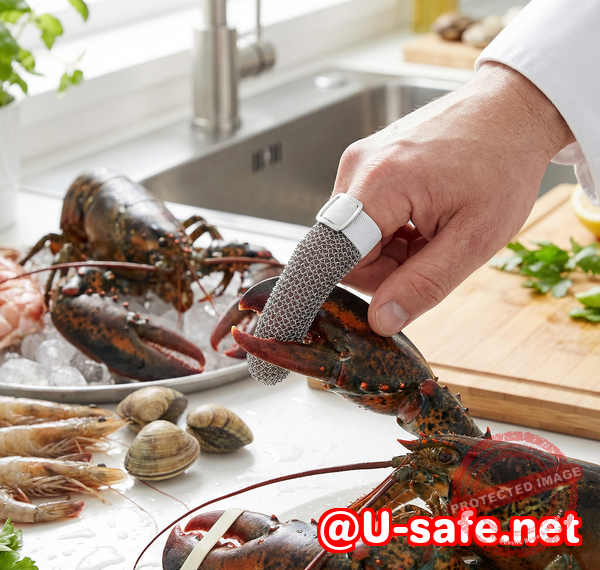
For buyers, collectors, or industrial users, it’s essential to know what to look for. I’ve been there myselffeeling unsure whether the chainmail I bought would provide real protection or just fall apart after a few uses. In this guide, I’ll walk you through how to avoid these mistakes and make informed decisions when selecting chainmail products, ensuring they meet your needs for safety, durability, and aesthetic appeal.
Common Mistakes When Selecting Chainmail Products
Mistake #1: Not Knowing the Difference Between Welded and Open Rings
One of the most frequent mistakes people make when selecting chainmail is not knowing whether the rings are welded or open. Many low-cost, low-quality chainmail products use open rings, which are simply linked together without any form of permanent closure. Over time, these rings can come undone, compromising the structure and durability of the entire piece.
Why does this matter? In a protective or functional setting, such as industrial or food processing use, the integrity of the weave is essential. If the rings can separate, the chainmail will no longer provide the protection you’re expecting. This could result in injury or failure to meet safety standards.
To avoid this, always check if the rings are welded. Welded rings have been permanently fused together, ensuring they won’t separate under pressure.
Tip: Hold the chainmail up to the light. Welded rings should have a seamless, smooth connection, whereas open rings will have a gap.
Mistake #2: Choosing the Wrong Stainless Steel Grade
Another common mistake is failing to choose the right stainless steel grade. Chainmail is usually made from either 304 or 316 stainless steel. While both are durable, they differ in corrosion resistance.
-
304 stainless steel is commonly used for general applications but can be vulnerable to corrosion over time, especially in harsh environments.
-
316 stainless steel, on the other hand, is more resistant to corrosion, making it a better choice for outdoor use, food handling, or in environments where chainmail might come into contact with chemicals or moisture.
When inspecting chainmail, always check which grade of stainless steel has been used. If you’re unsure, don’t hesitate to ask the seller or manufacturer directly.
Tip: If you live in an area with high humidity or work in a wet environment, opt for 316 stainless steel, which is more resistant to rust and corrosion.
Mistake #3: Ignoring the Ring Thickness and Diameter
When you’re selecting chainmail, the thickness of the wire and the diameter of the rings matter more than you might think. Thicker wire and smaller rings provide better protection and greater durability, especially for industrial use or situations where the chainmail will experience heavy wear.
Why does this matter? If the wire is too thin or the rings are too large, the chainmail won’t be as strong or resistant to cuts, stabs, or abrasions. In industries like food processing, where workers are exposed to sharp tools, this can lead to injuries.
To check this, you can measure the wire thickness and inner diameter of the rings with a ruler or caliper. For heavy-duty use, look for a wire thickness of at least 1.5mm and a ring diameter that doesn’t exceed 10mm.
Tip: Always inspect the individual rings for consistency. Variations in size or shape may indicate a lack of attention to detail during production.
Mistake #4: Overlooking the Weave Pattern
Not all chainmail weaves are created equal. The weave pattern plays a crucial role in the overall strength and durability of the piece. The European 4-in-1 weave, for example, is widely regarded as one of the strongest patterns. It consists of four rings passing through each individual ring, providing more strength than other patterns.
However, some products use simpler, less durable weaves in an attempt to cut costs. This is fine for decorative purposes, but if you need functional protection, it’s essential to ensure that the weave pattern will provide the necessary strength.
Tip: If the chainmail you’re buying is for protective purposes, always check for a European 4-in-1 or similar high-strength pattern. It’s a solid indicator of durability and strength.
Mistake #5: Failing to Inspect for Craftsmanship and Durability
Craftsmanship is one of the most overlooked aspects of chainmail quality. Even if the material and weave are correct, poor craftsmanship can cause the chainmail to fail prematurely. Look for signs of poor soldering, uneven rings, or a weave that feels loose or flimsy.
Why does this matter? A poorly made chainmail piece will lose its integrity quickly, even if it uses high-quality materials. Small flaws, such as uneven weaves or weak spots, can turn into major issues down the line.
To avoid this, always inspect the chainmail carefully, especially where the rings are welded or joined. Ensure there are no loose connections or visible defects.
Tip: Perform a simple pull test. Gently tug on the rings in various spots. If they feel loose or the weave begins to unravel, the quality isn’t up to par.
Why Aegimesh Chainmail is Your Solution
Aegimesh Chainmail offers a solution to all these common mistakes. Our guide and inspection tool help you evaluate chainmail quality step by step. Whether you’re buying for industrial use, food processing, cosplay, or historical reenactments, Aegimesh provides the knowledge you need to make safe, informed decisions.
Aegimesh products are crafted with the highest standards in mind. We use 316 stainless steel for superior corrosion resistance, employ welded rings for added security, and ensure that the weave patterns meet rigorous durability tests. Our products are built to last, whether for protection or display.
Conclusion: How to Ensure You’re Buying the Best Chainmail
Now that you know the common mistakes to avoid when selecting chainmail, it’s time to put this knowledge to use. Always inspect for welded rings, the right stainless steel grade, appropriate wire thickness, and a strong weave pattern. By following these steps, you can confidently purchase chainmail that will meet your needs, whether for industrial protection, cosplay, or display.
I highly recommend using these tips to ensure your chainmail purchases are of the highest quality. If you’re still unsure, check out Aegimesh’s comprehensive inspection guide and ensure your next purchase meets safety and durability standards.
Learn more about identifying high-quality chainmail products: Aegimesh Chainmail Guide
FAQs
-
How can I tell if a chainmail ring is welded or open?
-
Welded rings have a smooth, seamless connection, while open rings have a visible gap where the ends meet.
-
-
Which stainless steel grade is best for long-lasting chainmail?
-
For superior corrosion resistance, 316 stainless steel is the best choice. It’s ideal for environments exposed to moisture or chemicals.
-
-
How do I inspect the weave pattern for strength?
-
Look for a European 4-in-1 weave, which is one of the strongest and most durable patterns for chainmail.
-
-
What are the signs of low-quality or unsafe chainmail?
-
Signs include open rings, inconsistent ring sizes, poor welding, and a loose or weak weave. Always check the material and craftsmanship.
-
-
Can decorative chainmail be used for protective purposes?
-
Decorative chainmail is typically weaker and may not provide the necessary protection for industrial or safety use. Choose high-strength weaves and materials for protective purposes.
-
-
How do I choose the right chainmail for industrial vs cosplay use?
-
For industrial use, prioritize durability, weld quality, and corrosion resistance (preferably 316 stainless steel). For cosplay, focus on aesthetics and comfort, though it’s still important to consider weave strength.
-
Tags or Keywords:
chainmail quality, welded rings, stainless steel chainmail, cut-resistant chainmail, chainmail inspection, European 4-in-1 weave, chainmail durability




 한국어
한국어  Русский
  Deutsch
  العربية