


How to Choose the Right Chainmail Glove
How to Choose the Right Chainmail Glove
When it comes to purchasing chainmail gloves, whether for industrial use, food handling, or cosplay, I know how overwhelming it can be. I’ve heard countless stories of people buying gloves that look great online, only to find out they’re not as durable or safe as advertised. It’s frustrating when a purchase doesn’t live up to expectations, especially when it’s supposed to provide safety or add authenticity to a costume.
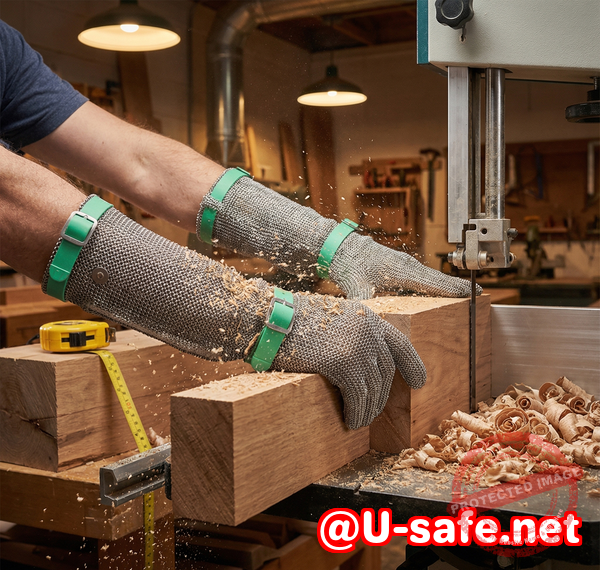
Choosing the right chainmail glove isn’t just about looksit’s about knowing what to look for in terms of material quality, ring structure, and weave patterns. Aegimesh Chainmail products provide the tools and guidelines you need to make an informed choice, ensuring that your gloves will meet the necessary safety standards, last long, and perform under pressure. Let’s dive into how you can confidently evaluate the quality of chainmail gloves before you make that purchase.
1. The Pain Points: Why It’s So Hard to Choose the Right Chainmail Glove
There are several common issues that many buyers face when choosing chainmail gloves. These issues could easily lead to wasted money or, even worse, unsafe purchases. Here are a few pain points I often hear about:
-
Distinguishing between welded rings and open rings: It can be tough to tell the difference just by looking at a product image online. Many low-quality chainmail gloves use open rings instead of welded ones, which makes them much weaker and more prone to failure.
-
Confusion over stainless steel grades: Not all stainless steel is created equal. Some gloves are made with 304-grade stainless steel, while others use 316-grade, which is much more corrosion-resistant. Choosing the wrong material could result in your gloves deteriorating too quickly.
-
Weak or inconsistent weaves: A lot of products claim to be high-quality chainmail, but they have poor weaves, making the gloves unreliable for heavy-duty use. A weak weave compromises the durability and protective capabilities of your gloves.
So, how can you avoid falling into these traps? Here’s how to evaluate chainmail gloves properly.
2. Understanding the Basics: What to Look For in High-Quality Chainmail Gloves
Material Quality: Start by checking the material. You’ll mostly find chainmail gloves made of stainless steel, but there are different grades of stainless steel to consider.
-
304 Stainless Steel is a standard, durable choice, but it’s prone to corrosion if exposed to moisture over time.
-
316 Stainless Steel is more resistant to corrosion, especially in high-moisture environments like food handling or marine work. If you’re using your gloves for industrial purposes or expect them to be exposed to moisture often, this is the better choice.
Ring Type (Welded vs. Open): The strength of a chainmail glove depends significantly on the type of rings used.
-
Welded Rings are the gold standard. They provide superior strength and durability because they’re fused shut, creating a solid bond that won’t open under stress.
-
Open Rings, on the other hand, are easier to produce but not as durable. They can slip open over time, especially when under pressure or impact, which compromises the glove’s protective abilities.
Ring Diameter and Wire Thickness: You want to ensure that the wire used to make the rings is thick enough to withstand wear and tear. Thicker wire usually indicates a stronger glove, but it’s also important that the rings are the right diameter. If the rings are too big or too small, the glove won’t offer the same level of protection or comfort. For example, smaller diameter rings tend to offer a tighter weave, which is better for cut resistance.
Weave Patterns: The weave pattern plays a huge role in the durability and flexibility of your gloves. Aegimesh uses the European 4-in-1 weave, which is a time-tested pattern known for its strength and flexibility. The interlocking rings form a strong grid, providing excellent protection against cuts and punctures while maintaining the glove’s dexterity.
3. How to Inspect and Verify Chainmail Quality
Once you know what to look for in terms of materials and construction, it’s time to perform some hands-on checks. Don’t just take a product description at face valueinspect it yourself to ensure quality.
-
Pull Test: One of the simplest ways to check the durability of a chainmail glove is to perform a pull test. Gently pull on the rings and weave to check for movement. If any rings come apart or the weave loosens under pressure, the gloves are poorly made. High-quality gloves should be tightly woven with no shifting or pulling apart.
-
Corrosion Inspection: Especially if you’re buying gloves for food processing or wet environments, inspect for signs of corrosion. Rust spots or discoloration on the steel rings are clear indicators that the gloves may not hold up over time.
-
Check the Fit: A well-made chainmail glove will fit comfortably and be easy to move in. It shouldn’t feel too stiff or too loose. If it does, the rings may be too tightly packed or not packed enough, compromising both comfort and protection.
4. Why Inspection Matters: The Benefits of a Proper Evaluation
Properly inspecting your chainmail gloves before purchasing them can save you a lot of trouble down the road. Here’s why it’s essential to follow these steps:
-
Safety: If you’re using chainmail gloves for industrial work, food handling, or other safety-critical applications, ensuring the gloves are made with welded rings, the right material, and tight weaves will protect you from cuts and injuries.
-
Durability: High-quality chainmail gloves will last longer, saving you money in the long term. Poorly made gloves will deteriorate faster, meaning you’ll have to replace them sooner.
-
Cost-Efficiency: By inspecting before you buy, you can avoid spending on gloves that seem good on the surface but fall apart after a few uses. You’ll also be able to identify gloves that are overpriced for their actual quality.
5. Conclusion: Making the Right Choice
After going through these steps, I highly recommend you take the time to inspect any chainmail gloves you’re thinking of buying. Whether you’re using them for industrial work, food processing, cosplay, or as a collector’s item, these inspection tips will help you avoid making an unsafe or regrettable purchase.
If you want to learn more about identifying high-quality chainmail products, check out our detailed guide at Aegimesh. We’re here to help you make informed decisions and get the most out of your investment in chainmail.
FAQ
1. How can I tell if a chainmail ring is welded or open?
Look closely at the ring’s edges. If the edges are fused together and smooth, it’s welded. Open rings will have a small gap between the ends.
2. Which stainless steel grade is best for long-lasting chainmail?
For durability and corrosion resistance, 316 stainless steel is the best choice. It’s especially good for environments exposed to moisture.
3. How do I inspect the weave pattern for strength?
Look for a tight, even weave like the European 4-in-1. If the rings are loose or unevenly spaced, the glove may not offer the protection it should.
4. What are the signs of low-quality or unsafe chainmail?
Low-quality chainmail will have open rings, thin wire, inconsistent weaves, or visible signs of rust and corrosion.
5. Can decorative chainmail be used for protective purposes?
While decorative chainmail looks great, it often isn’t durable or strong enough for safety use. Always opt for high-quality, welded rings for protective chainmail.
6. How do I choose the right chainmail for industrial vs. cosplay use?
For industrial use, prioritize gloves made with 316 stainless steel and a tight, strong weave like European 4-in-1. For cosplay, comfort and appearance may be more important than durability, but ensure the gloves are still durable enough for repeated wear.
Tags or Keywords
chainmail quality, welded rings, stainless steel chainmail, cut-resistant chainmail, chainmail inspection, European 4-in-1 weave, chainmail durability




 한국어
한국어  Русский
  Deutsch
  العربية