


Medieval Chainmail A Warriors Second Skin
Medieval Chainmail: A Warrior’s Second Skin
When purchasing chainmail for protection or display, I often struggle to know which products are genuinely high-quality. With so many options available, it can be overwhelming to make sure you’re getting the real dealwhether you’re looking for chainmail for historical reenactments, cosplay, industrial cut protection, or even food safety. There’s a lot riding on this decision, from your safety to the longevity of the product. So how do you tell the difference between a high-quality, durable chainmail piece and something that’s just for show?
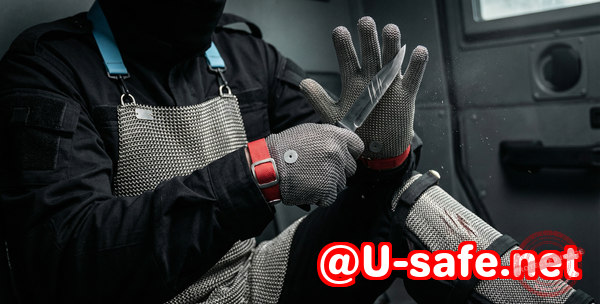
This article will guide you through the process of evaluating chainmail to ensure you’re making an informed decision, saving money, and avoiding potential safety risks. We’ll walk through how to identify high-quality chainmail by inspecting its material, craftsmanship, and overall design, and by the end, you’ll know exactly what to look for. Let’s dive into the world of chainmail and make sure you’re always armored with the best.
Identifying Chainmail Quality: The Key Pain Points
Before we get into how to inspect chainmail, it’s important to understand the main issues that buyers face when trying to determine quality.
1. Welded Rings vs. Open Rings
Not all chainmail is made equally. One of the most important distinctions is whether the rings are welded or open. Welded rings are generally far stronger and more durable, making them ideal for protective gear. On the other hand, open rings are less durable and typically seen in decorative pieces. The challenge? It’s not always obvious just by looking at the chainmail.
2. Material Confusion: 304 vs. 316 Stainless Steel
Stainless steel comes in different grades, and the most common ones used in chainmail are 304 and 316. While both are corrosion-resistant, 316 stainless steel offers superior protection against rust and corrosion, especially in harsh environments like industrial settings or marine environments. But unless you’re aware of this distinction, it’s easy to end up with lower-quality chainmail that won’t last as long or provide the protection you need.
3. Inconsistent Weaves and Weaknesses
The weave pattern can affect both the appearance and the strength of the chainmail. A poorly executed weave can compromise the integrity of the whole piece, leading to a weakened product. Common patterns like the European 4-in-1 weave are a good standard for both strength and flexibility. However, many low-quality pieces are made with sloppy weaves that don’t provide adequate protection or durability.
How to Inspect Chainmail for Quality: Your Step-by-Step Guide
At Aegimesh, we believe that knowledge is the key to making the right purchase. To help you out, we’ve created a simple inspection guide to help you evaluate chainmail and avoid low-quality products. Here’s what to look for:
1. Inspect the Rings: Welded vs. Open
The first thing to check is whether the rings are welded or open. Welded rings are a sign of high-quality, durable chainmail. These rings are permanently joined together by heat, making them stronger and less likely to fall apart under stress.
How to check:
-
Gently tug on the rings. If they stay tightly in place without any movement or gaps, they’re welded.
-
Open rings will usually have a small gap where the two ends of the ring meet. You can even press the gap apart with your fingers to confirm it’s not welded.
2. Material: 304 vs. 316 Stainless Steel
As we mentioned, 304 and 316 stainless steel are both commonly used in chainmail, but they serve different purposes. 304 stainless steel is great for general use, but 316 stainless steel offers better resistance to corrosion, which is especially important for industrial environments or areas with high humidity.
How to check:
-
If you’re purchasing online, check the product description. Reputable sellers will provide detailed information about the materials used.
-
If you’re inspecting in person, ask the seller if the piece is made of 316 stainless steel, especially if you plan to use the chainmail in harsh environments.
3. Wire Thickness and Ring Diameter
The thickness of the wire and the diameter of the rings affect both the look and strength of the chainmail. Thicker wires and larger rings tend to offer more durability and strength. If you’re buying chainmail for protection, thicker wire and larger rings will provide better resistance to cuts and impacts.
How to check:
-
Look at the overall appearance of the chainmail. If the rings look fragile or too small, it may not be strong enough for protective use.
-
A quick pull test can also help. Gently tug on a few rings to see if they bend or deform easily. Strong, high-quality chainmail should hold its shape under pressure.
4. Weave Pattern: European 4-in-1 and Others
The pattern in which the rings are woven together greatly impacts the chainmail’s strength. The European 4-in-1 weave is one of the most popular and reliable patterns, offering both flexibility and protection.
How to check:
-
Look at the pattern. The European 4-in-1 weave has each ring passing through four other rings. The result should be a tight, organized pattern.
-
If the pattern looks inconsistent or uneven, it could be a sign of poor craftsmanship. A good chainmail piece will have a clean, consistent weave throughout.
5. Corrosion and Craftsmanship
Rust or corrosion is a clear indicator that the chainmail is not up to standard. It’s essential to ensure the rings and wire are coated or treated properly to resist oxidation.
How to check:
-
Look closely for any signs of rust or discoloration.
-
Pay attention to the overall craftsmanshiprough edges, poorly aligned rings, or uneven welds can all signal poor quality.
Why Proper Chainmail Inspection is Crucial
By properly inspecting chainmail, you’re not just protecting your walletyou’re also ensuring that the product is safe to use. Whether you’re buying chainmail for industrial purposes, food safety, cosplay, or historical reenactments, quality is key. Here’s why:
-
Safety: Poorly made chainmail may not offer adequate protection, especially in hazardous work environments or if used for food processing.
-
Durability: A high-quality product will last longer, saving you money in the long run by avoiding the need for frequent replacements.
-
Value for Money: By knowing what to look for, you can avoid low-quality, overpriced products that are just for show.
Practical Tips for Making Your Purchase
Here are some simple tips to ensure you’re buying the best chainmail for your needs:
-
Do a Pull Test: Gently pull on the rings to check for durability. High-quality chainmail should resist deformation and remain intact.
-
Inspect the Finish: Look for a smooth finish. Poorly finished pieces often have rough edges, which can be both unsightly and dangerous.
-
Ask Questions: If you’re shopping online or in-store, don’t be afraid to ask the seller about the materials used, the manufacturing process, and the grade of steel.
Conclusion: Choosing the Right Chainmail
When it comes to selecting chainmail, the stakes are high. You want a product that’s durable, safe, and fits your intended usewhether for industrial protection, cosplay, or as a collector’s item. I highly recommend following these inspection steps before making any purchase. By focusing on material, ring type, weave pattern, and overall craftsmanship, you can confidently select a high-quality chainmail piece that will serve you well.
If you’re looking to learn more about chainmail inspection, visit Aegimesh’s Chainmail Inspection Guide today.
FAQs
1. How can I tell if a chainmail ring is welded or open?
Gently tug on the rings. Welded rings should not show any gaps or movement, while open rings will have a visible space between the ends that you can pull apart.
2. Which stainless steel grade is best for long-lasting chainmail?
For long-lasting durability, 316 stainless steel is ideal. It’s more resistant to corrosion than 304 stainless steel, especially in industrial or marine environments.
3. How do I inspect the weave pattern for strength?
Look for the European 4-in-1 weave, which has each ring passing through four other rings. It should be consistent and tightly woven. Avoid pieces with irregular patterns or loose rings.
4. What are the signs of low-quality or unsafe chainmail?
Signs include rust, rough edges, inconsistent weaving, open rings, and weak rings. Poorly finished chainmail may also have visible deformities or gaps.
5. Can decorative chainmail be used for protective purposes?
Generally, decorative chainmail is not suitable for protective use. It often uses open rings and weaker materials that don’t provide adequate safety.
6. How do I choose the right chainmail for industrial vs. cosplay use?
For industrial use, opt for chainmail made from 316 stainless steel with welded rings and a strong weave pattern like European 4-in-1. For cosplay, decorative chainmail can work, but make sure the design is robust enough to handle the intended wear.
7. How do I avoid buying low-quality chainmail?
Always inspect the material, ring type, and weave pattern. If in doubt, ask the seller about the specifics, such as the steel grade and ring welding, before purchasing.
Tags or Keywords
-
Chainmail quality
-
Welded rings
-
Stainless steel chainmail
-
Cut-resistant chainmail
-
Chainmail inspection
-
European 4-in-1




 한국어
한국어  Русский
  Deutsch
  العربية