


Riveted Rings vs Welded Rings Which Is Safer
Riveted Rings vs Welded Rings: Which Is Safer?
When it comes to choosing the right chainmail for protection or display, many buyers find themselves caught in a dilemma. The primary question often revolves around the safety and durability of different types of rings: riveted or welded. If you’ve ever wondered which option provides better safety, you’re not alone. With a wide range of chainmail products available, it can be tricky to identify which is the best choice for your needsespecially when it comes to industrial safety or protective wear.
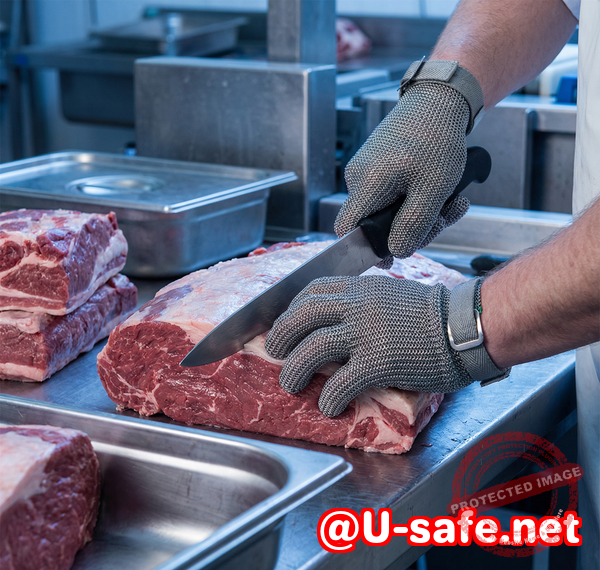
In this article, we will dive into the key differences between riveted and welded rings, exploring how they impact the overall quality and safety of chainmail. Whether you’re a collector, cosplayer, or industrial user, understanding these differences is crucial to making an informed decision. By the end of this post, you’ll be armed with the knowledge to evaluate chainmail for its true durability and protective qualities.
Understanding Chainmail Quality: The Basics
Chainmail has been around for centuries, used originally for armor in medieval battles and later for various industrial and decorative purposes. The key to its functionality lies in the rings that form its mesh. However, not all rings are created equal. The type of ringriveted or weldedcan drastically affect the strength, durability, and safety of the chainmail.
Let’s break down the two types of rings commonly used in high-quality chainmail:
-
Riveted Rings: Riveted chainmail involves rings that are made from wire and are closed using a metal rivet. These rings are typically used in more traditional armor and have a reputation for being strong and reliable, especially when maintained properly. Riveted rings are known for their ability to resist splitting and provide a tight, secure connection between the rings.
-
Welded Rings: Welded rings, on the other hand, are formed by welding the ends of the wire together. This process is faster and cheaper than riveting, and while welded rings can be very strong, their safety and durability can sometimes be less reliable if not properly manufactured. Welded rings are more commonly used in industrial applications, where speed and cost-effectiveness are often more important than historical accuracy.
Both types have their pros and cons, but when it comes to safety, durability, and long-term use, it’s important to understand how each performs under different conditions.
Why Chainmail Quality Matters
Choosing the right chainmail for your specific use casewhether it’s for industrial safety, cosplay, or historical re-enactmentsdepends on several factors, including the material, the type of rings used, and the construction method. But why is it so important to evaluate these features?
The main reason is safety. Poor-quality chainmail can lead to injury, discomfort, or even failure in protective applications. This is particularly critical for industrial users who rely on chainmail for cut-resistant protection, such as in food processing, construction, or heavy manufacturing.
Many people assume all chainmail is created equal, but in reality, there are significant differences in strength, durability, and protection based on how the chainmail is constructed. Let’s explore some of the most common pain points that buyers face when evaluating chainmail:
-
Distinguishing Between Riveted and Welded Rings
It can be difficult for many to tell whether a chainmail product uses riveted or welded rings. Some manufacturers use welded rings to reduce costs, but this can compromise the overall strength and safety of the chainmail. For applications requiring strong, consistent protection, riveted rings tend to be more reliable.
-
Material Quality
Not all stainless steel is the same. The two most common grades used in chainmail are 304 and 316 stainless steel. The latter is generally superior in terms of corrosion resistance, especially for chainmail that will be exposed to moisture or harsh environments. If you’re not careful, you might purchase a product made from a lower-quality material that rusts or weakens over time.
-
Inconsistent Weave Patterns
The weave pattern of chainmail also plays a crucial role in its strength. Some of the most popular patterns include the European 4-in-1 weave, which provides a tight, robust structure. If the weave is loose or inconsistent, it can result in weak points that reduce the overall effectiveness of the chainmail.
How to Inspect Chainmail for Safety and Durability
Now that we’ve covered the basics of chainmail construction and quality, let’s dive into some practical tips for evaluating chainmail before you make a purchase. These methods will help you determine whether a chainmail product is safe, durable, and worth your investment.
1. Inspect the Rings
The first thing you should check when inspecting chainmail is the type of rings usedriveted or welded.
-
Riveted rings are typically more reliable for safety. If you’re buying chainmail for industrial or protective use, riveted rings offer greater strength and stability.
-
Welded rings can be fine for decorative or lighter-duty applications, but make sure they are properly welded. Poor welding can result in weak points that compromise the safety of the chainmail.
To identify riveted rings, check the edges of the rings. If you see a small metal rivet securing the ends of the ring, you’re looking at riveted chainmail. Welded rings will typically have a smoother finish, as the wire ends are fused together.
2. Check Material Quality
As mentioned earlier, the type of stainless steel used in the chainmail can affect its performance and longevity. 304 stainless steel is commonly used, but 316 stainless steel is superior in terms of corrosion resistance, especially for applications that involve exposure to moisture or chemicals.
To check the material quality, ask the seller or manufacturer for the grade of stainless steel used in the product. Aegimesh Chainmail, for example, offers 304 and 316 stainless steel options, ensuring a high level of durability and rust resistance.
3. Assess the Weave Pattern
The strength of chainmail also depends on the weave pattern. The European 4-in-1 weave is one of the most common and reliable patterns used in high-quality chainmail. It offers a balanced combination of flexibility and protection.
Inspect the weave to ensure it is tight and uniform. Loose or inconsistent weaves can leave gaps, reducing the chainmail’s protective capabilities.
4. Perform a Pull Test
To assess the strength of the rings and the overall weave, perform a simple pull test. Gently tug on a few rings to see if they stay in place or if they shift or open. This can help you determine the overall integrity of the chainmail.
5. Look for Signs of Corrosion or Poor Craftsmanship
Finally, always inspect the chainmail for any signs of corrosion, especially if you are buying used items. Even small amounts of rust can indicate poor material quality or manufacturing defects. Additionally, check for any irregularities in the craftsmanshipuneven rings, poorly finished edges, or weak spots in the weave can be red flags.
Conclusion: Which Is Safer? Riveted or Welded Rings?
When it comes to safety, riveted rings tend to offer more reliable protection than welded rings, especially for industrial or protective uses. Riveted rings are less likely to open under stress, making them a safer choice for applications that require long-lasting durability and cut resistance.
By following the inspection methods outlined above, you can ensure that your chainmail purchases meet the highest safety and durability standards. I highly recommend taking the time to inspect the material, rings, weave, and craftsmanship before making any purchase. This extra effort will save you money in the long run and, most importantly, keep you safe.
If you’re ready to find high-quality chainmail that meets these standards, check out Aegimesh Chainmail. We offer expert guides and a range of products for all your chainmail needs, from industrial protection to cosplay and historical replicas.
Frequently Asked Questions (FAQ)
1. How can I tell if a chainmail ring is welded or open?
Look for signs of welding at the ends of the rings. Welded rings will have a smooth finish, while riveted rings will have a small metal rivet securing the ends.
2. Which stainless steel grade is best for long-lasting chainmail?
316 stainless steel offers superior corrosion resistance and is ideal for chainmail exposed to moisture or harsh environments. It is the better option for industrial and food safety uses.
3. How do I inspect the weave pattern for strength?
Check for tight, consistent weaves with no gaps. The European 4-in-1 weave is a great indicator of strength and durability.
4. What are the signs of low-quality or unsafe chainmail?
Look for weak rings, loose or inconsistent weaves, poor welding, or signs of corrosion. These can all be indicators of low-quality craftsmanship.
5. Can decorative chainmail be used for protective purposes?
While decorative chainmail can look impressive, it may not provide the same level of protection as functional, high-quality chainmail made with durable materials like 316 stainless steel.
6. How do I choose the right chainmail for industrial vs cosplay use?
For industrial uses, opt for chainmail made with 316 stainless steel and riveted rings. For cosplay or historical replicas, welded rings and 304 stainless steel may suffice, but ensure the weave is tight and durable.
Ready to start your chainmail journey? Explore our detailed chainmail inspection guide today and make smarter purchasing decisions.




 한국어
한국어  Русский
  Deutsch
  العربية