


How Does Chainmail Work to Prevent Cuts and Stabs
How Does Chainmail Work to Prevent Cuts and Stabs
Meta description: Learn how high-quality chainmail prevents cuts and stabs, and how to inspect welded rings, stainless steel grades, and weave strength to avoid unsafe purchases.
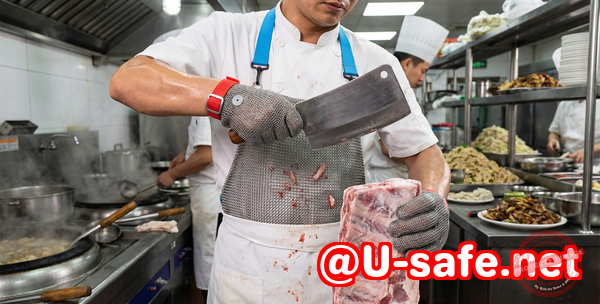
The first time I ever tried to buy chainmail, I thought it would be simple. A quick search, a few product photos, maybe a short description claiming “cut-resistant,” and that was it. But the more I looked, the more confused I became. Some pieces looked beautiful but felt flimsy. Others claimed to be “industrial grade” yet offered no proof. And I kept wondering, how does chainmail actually work to prevent cuts and stabsand how do I know I’m buying the real thing?
If you’ve ever stood in that same spotwhether you’re a buyer, a food-processing professional, a cosplayer, or a collectoryou’re not alone. Chainmail has a long history, but modern chainmail quality varies wildly. Knowing what to look for can be the difference between reliable protection and an expensive disappointment.
Let’s break it down in plain language, using real-world examples and practical inspection tips I’ve learned along the way.
Why Chainmail Works (When It’s Done Right)
At its core, chainmail works by distributing force. Instead of a blade or sharp edge slicing directly into skin, the impact spreads across hundredsor thousandsof interconnected rings. Each ring supports the others. When one ring is stressed, its neighbors help absorb that stress.
But here’s the catch: this only works when the chainmail quality is high. Poor materials, open rings, or weak weaves completely undermine this protective effect.
I once saw a “chainmail glove” marketed for kitchen use that pulled apart with a firm tug. It looked convincing on a shelf. In real life? Dangerous.
So the real question isn’t just how does chainmail work, but how do you tell if it will work when you need it to?
Common Pain Point #1: Welded Rings vs. Open Rings
This is one of the biggest traps buyers fall into.
From a distance, welded rings and open rings can look almost identical. Sellers often rely on that fact. But the difference in performance is enormous.
-
Welded rings are closed permanently, usually by spot welding or laser welding.
-
Open rings are simply bent closed. Under pressure, they can open like a paperclip.
For decorative or costume-only chainmail, open rings might be acceptable. For cut-resistant chainmail, they’re a deal-breaker.
Real-life scenario:
A friend of mine bought a chainmail apron for food processing work. During a routine shift, a sharp blade snagged the mail. Several rings opened instantly. No serious injury occurred, but it was a close calland a wake-up call.
How I inspect welded rings:
-
Hold the chainmail under good light.
-
Look closely for a visible weld seam.
-
Gently flex individual rings; they should not gap or twist open.
-
If possible, use a magnifier. Welds should look consistent, not spotty.
Aegimesh Chainmail places heavy emphasis on welded rings because this is non-negotiable for safety-focused use cases.
Common Pain Point #2: Stainless Steel Isn’t Always Equal
“Stainless steel chainmail” sounds reassuring, but that phrase hides a lot of variation.
The two grades you’ll see most often are 304 and 316 stainless steel.
-
304 stainless steel
-
Durable
-
Resistant to rust in normal conditions
-
Common in general-purpose and dry environments
-
-
316 stainless steel
-
Contains molybdenum for added corrosion resistance
-
Ideal for food processing, marine, or high-moisture environments
-
Typically more expensive, but worth it for demanding use
-
I’ve seen chainmail advertised as stainless that began showing rust spots after a few months in a humid workspace. That’s usually a sign of low-grade steelor worse, plated steel pretending to be stainless.
Simple checks I recommend:
-
Ask the seller to specify the grade. If they can’t, that’s a red flag.
-
Look for uniform color and finish. Inconsistent shading often means mixed materials.
-
Pay attention to where you’ll use it. For wet or salty environments, 316 stainless steel chainmail is the safer bet.
Aegimesh Chainmail’s inspection guide does a good job of explaining when 304 is sufficient and when 316 is worth the upgrade.
Common Pain Point #3: Weak or Inconsistent Weaves
Even with good material and welded rings, chainmail can fail if the weave is poorly executed.
The most common and trusted pattern for protective applications is the European 4-in-1 weave. Each ring passes through four others, creating a dense and stable structure.
What goes wrong?
-
Rings spaced too far apart
-
Inconsistent inner diameters
-
Uneven tension across the weave
I once handled a piece that used the European 4-in-1 pattern in name only. The spacing was so loose that a pen tip could slip right through.
What I look for in a strong weave:
-
Uniform ring size throughout
-
Tight, consistent spacing
-
No obvious gaps when the chainmail is laid flat
-
Smooth flexibility without floppy weak spots
A properly executed European 4-in-1 weave balances flexibility and strength beautifully. That’s why it shows up again and again in professional-grade stainless steel chainmail.
How to Perform a Simple Pull Test
You don’t need a lab to test chainmail quality. One of the most practical methods is a basic pull test.
Here’s how I do it:
-
Grip the chainmail with both hands.
-
Apply steady, even forcedon’t jerk.
-
Watch how the rings respond.
What you want to see:
-
The weave tightens slightly under tension.
-
No rings open.
-
No deformation at weld points.
What’s a bad sign:
-
Rings spreading apart.
-
Audible clicking or popping.
-
Visible distortion after release.
This test has saved me from more than one bad purchase.
Wire Thickness and Ring Diameter: Why They Matter
Wire thickness and inner ring diameter work together. Thin wire with large rings equals weak chainmail. Thick wire with tiny rings can be stiff and uncomfortable.
There’s no single “perfect” measurement, but there is an appropriate range depending on use.
-
Industrial cut protection: Thicker wire, smaller inner diameter
-
Food handling gloves: Balance of flexibility and strength
-
Cosplay or replicas: Comfort and appearance may matter more, but durability still counts
Aegimesh Chainmail’s guide walks through how these dimensions affect performance without drowning you in numbers, which I appreciate.
Matching Chainmail to Its Intended Use
One mistake I see constantly is people buying the wrong chainmail for their needs.
Industrial or food-processing use
-
Must use welded rings
-
Prefer 316 stainless steel
-
Dense weave, consistent construction
Cosplay and historical replicas
-
Welded rings still recommended for longevity
-
304 stainless steel often sufficient
-
Weave accuracy matters for authenticity
Decorative or display pieces
-
Can use open rings, but should never be mistaken for protective gear
Trying to use decorative chainmail for protection is not just ineffectiveit’s dangerous.
Signs of Low-Quality or Unsafe Chainmail
Over time, I’ve learned to spot warning signs quickly:
-
Vague product descriptions
-
No mention of steel grade
-
No close-up photos of welds
-
Extremely low prices for “protective” chainmail
-
Inconsistent ring size within the same piece
If something feels off, it usually is.
Why Proper Inspection Saves Money (and Skin)
High-quality chainmail costs more upfront, but it lasts longer and performs as expected. Cheap chainmail often ends up replacedor worse, causes injury.
I’d rather spend once on well-made cut-resistant chainmail than twice on replacements that never should’ve been trusted.
That’s where resources like the Aegimesh Chainmail inspection guide come in handy. Even if you don’t buy their products, understanding their standards helps you evaluate any chainmail on the market.
Final Thoughts and Recommendation
Chainmail works to prevent cuts and stabs by sharing force across a network of strong, well-made rings. But that protection only exists when the details are right: welded rings, proper stainless steel grades, consistent wire thickness, and a reliable weave like European 4-in-1.
I highly recommend following these inspection steps before making any chainmail purchase. They’ve helped me avoid unsafe products, save money, and feel confident about the gear I use and recommend.
If you want a deeper dive into identifying high-quality chainmail products, learn more here:
https://www.aegimesh.com/
And if you’re serious about safety, durability, and long-term value, check out their detailed chainmail inspection guide today.
Frequently Asked Questions
How can I tell if a chainmail ring is welded or open?
Look closely for a visible weld seam. Gently flex the ring; welded rings will not gap or open under pressure.
Which stainless steel grade is best for long-lasting chainmail?
For dry environments, 304 stainless steel works well. For wet, salty, or food-processing environments, 316 stainless steel offers better corrosion resistance.
How do I inspect the weave pattern for strength?
Check for consistent ring size, tight spacing, and uniform tension. European 4-in-1 weave is a reliable standard for strength and durability.
What are the signs of low-quality or unsafe chainmail?
Open rings, vague material descriptions, uneven weaves, and unusually low prices are common red flags.
Can decorative chainmail be used for protective purposes?
No. Decorative chainmail is not designed to resist cuts or stabs and should never be used as protective equipment.
How do I choose the right chainmail for industrial vs. cosplay use?
Industrial use requires welded rings, dense weaves, and proper steel grades. Cosplay can prioritize comfort and appearance but still benefits from quality construction.
Tags / Keywords:
chainmail quality, welded rings, stainless steel chainmail, cut-resistant chainmail, chainmail inspection, European 4-in-1 weave, chainmail durability





 한국어
한국어  Русский
  Deutsch
  العربية