


What Is Chainmail Metal Mesh Protection
What Is Chainmail Metal Mesh Protection: How to Spot Quality That Truly Protects
Meta description: Learn how to identify high-quality chainmail metal mesh protection, avoid unsafe products, and choose durable stainless steel chainmail for real-world use.
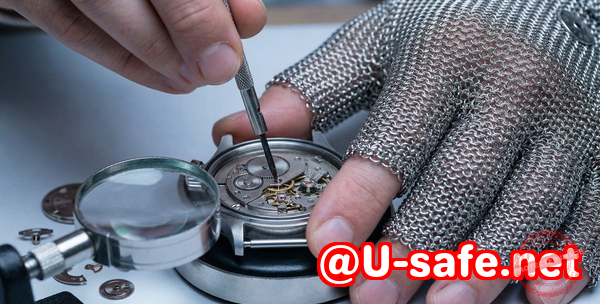
The first time I tried to buy chainmail for protective use, I thought it would be simple. Shiny metal rings, flexible fabric, medieval vibeshow complicated could it be? Then the package arrived. The mesh felt light. Too light. A gentle tug opened a ring. In that moment, I realized what many buyers eventually learn the hard way: not all chainmail is created equal.
Whether you are purchasing chainmail for industrial cut protection, food handling, cosplay, or even as a collector’s piece, the challenge is the same. It is surprisingly difficult to tell high-quality chainmail from decorative imitations just by looking at photos online. Words like “stainless steel chainmail” or “cut-resistant chainmail” are used loosely, and many buyers end up with something that looks good but fails when it matters.
This is exactly why understanding chainmail metal mesh protectionand how to evaluate its qualitymatters so much.
Chainmail has been around for centuries, and for good reason. When properly made, it distributes force, resists cuts, and lasts for years, even decades. When poorly made, it becomes a liability. I have spoken with chefs who bought chainmail gloves that stretched open during prep work, cosplayers whose armor sagged after a single event, and industrial buyers who unknowingly sourced open-ring mesh that never should have been used on a factory floor.
The biggest pain point I see again and again is confusion. Buyers want durability and safety, but they do not know what details actually matter.
Let’s break down the most common issues people faceand how to avoid them.
One of the first problems is telling welded rings from open rings. On a product listing, both can look nearly identical. In reality, the difference is night and day. Welded rings are fully closed and fused, meaning each ring forms a continuous loop. Open rings are simply bent wire ends pressed together. They rely on tension rather than structural integrity.
In real-world use, open rings slowly separate under stress. I once tested two similar-looking chainmail swatches by hand. The welded version held firm under repeated pulling. The open-ring version started showing gaps within seconds. For anything involving protectionespecially cut-resistant chainmailopen rings are a deal-breaker.
A quick inspection tip I always recommend is this: hold the mesh up to the light and gently flex it. If you can see tiny gaps opening at the ring joints, you are likely dealing with open rings. Welded rings stay closed, even when bent.
Another major pain point is material confusion. Many products claim to be “stainless steel,” but that label alone does not tell you much. Stainless steel comes in different grades, and the two most common for chainmail are 304 and 316.
304 stainless steel is strong, durable, and suitable for most applications. It resists rust in normal environments and is commonly used for general-purpose stainless steel chainmail. For cosplay, historical replicas, and dry industrial environments, 304 often works well.
316 stainless steel, however, offers better corrosion resistance. It contains molybdenum, which helps it withstand moisture, salt, and harsh cleaning chemicals. In food processing environments or marine settings, 316 stainless steel chainmail is often the safer, longer-lasting choice.
I learned this lesson from a food-processing facility manager who replaced his chainmail aprons twice in one year. The problem was not the weaveit was the steel grade. Once he switched to properly rated 316 stainless steel, the corrosion issues stopped entirely.
If a seller cannot clearly state whether the chainmail is 304 or 316 stainless steel, that is a red flag. Quality products are transparent about materials.
Weak or inconsistent weaves are another silent issue. Even with good material and welded rings, poor weaving can undermine durability. One of the most trusted patterns for strength is the European 4-in-1 weave. Each ring passes through four others, creating a balanced structure that distributes force evenly.
When inspecting a weave, I look for consistency. The rings should sit flat, with uniform spacing and no twisting. In low-quality chainmail, you often see irregular tensionsome areas feel stiff while others feel loose. Over time, those weak spots become failure points.
A practical test I use is what I call the “flat lay check.” Place the chainmail on a flat surface. High-quality mesh lies evenly, almost like fabric. Poorly woven chainmail puckers, curls, or refuses to settle.
This is where having a reliable reference helps. Aegimesh Chainmail has become a useful guide for buyers who want to understand what quality really looks like. Their inspection approach focuses on real-world evaluation rather than marketing language. Instead of vague claims, they emphasize measurable details: welded rings, wire thickness, inner diameter, and proven weave patterns like European 4-in-1.
What I appreciate most is how practical the guidance is. You do not need special tools or a metallurgy degree. You just need to know what to check and why it matters.
Let’s talk about wire thickness and ring diameter, two details often overlooked. Thicker wire generally means greater strength, but it also affects flexibility and weight. Thin wire might look elegant, but it sacrifices durability. Oversized ring diameters create gaps that reduce cut resistance.
When evaluating chainmail inspection details, I like to gently pinch a section between my fingers. Quality chainmail feels substantial without being rigid. If it feels flimsy or overly stretchy, that usually points to thin wire or oversized rings.
Another simple step-by-step check is the pull test. Hold a small section with both hands and apply steady tensionnot jerking, just firm pressure. You are not trying to break it, only to see how it reacts. High-quality welded stainless steel chainmail should resist deformation and return to its original shape when released.
Corrosion is another area where low-quality products reveal themselves. Even stainless steel can corrode if it is poorly finished or made from inferior alloys. Look closely at the surface of the rings. Dull spots, discoloration, or rough textures often indicate poor polishing or contamination during manufacturing.
I once saw a “stainless” chainmail glove develop rust spots after being washed twice. That is not just inconvenientit is unsafe in food handling environments. Proper chainmail durability includes resistance to cleaning chemicals and repeated use.
Choosing the right chainmail type for your intended use is critical. Decorative chainmail is not inherently bad, but it has its place. If you are creating a costume or display piece that will not see stress, lightweight open-ring mesh may be acceptable. Problems arise when decorative chainmail is sold or used as protective gear.
For industrial cut protection, food processing, or safety equipment, always prioritize welded rings, appropriate stainless steel grade, and proven weaves. For cosplay or historical replicas, durability still matters, especially if the piece will be worn for long periods or handled frequently.
I always tell buyers to ask one key question: “What happens if this fails?” If the answer involves injury, contamination, or equipment damage, then quality is non-negotiable.
The benefits of proper inspection go beyond safety. You save money by avoiding repeat purchases. You avoid frustration. And you gain confidence in what you are buying. I have seen buyers spend less overall by choosing a higher-quality chainmail product once instead of replacing cheaper options repeatedly.
That is why resources like Aegimesh Chainmail are valuable. Their focus on chainmail quality, inspection, and real-world use cases helps bridge the gap between marketing claims and actual performance. Whether you are buying for industrial use, a professional kitchen, or a personal collection, having a clear evaluation framework changes the entire experience.
In summary, understanding chainmail metal mesh protection comes down to a few core principles. Look for welded rings instead of open ones. Verify the stainless steel grade304 or 316based on your environment. Inspect wire thickness, ring diameter, and weave consistency. Test flexibility and strength with simple hands-on checks. And never assume that appearance alone equals quality.
I highly recommend following these steps to ensure any chainmail purchase meets safety and durability standards. A little inspection upfront can prevent serious issues later.
If you want to dive deeper, learn more about identifying high-quality chainmail products at https://www.aegimesh.com/. Check out our detailed chainmail inspection guide today and make your next purchase with confidence.
Frequently Asked Questions
How can I tell if a chainmail ring is welded or open?
I look closely at the ring joint. Welded rings have a smooth, sealed connection, while open rings show a visible split. Gently flexing the mesh under light helps reveal gaps.
Which stainless steel grade is best for long-lasting chainmail?
For general use, 304 stainless steel works well. For wet, salty, or food-processing environments, 316 stainless steel offers better corrosion resistance.
How do I inspect the weave pattern for strength?
Check for consistency. A strong weave like European 4-in-1 lies flat, feels balanced, and shows no loose or twisted sections.
What are the signs of low-quality or unsafe chainmail?
Open rings, thin wire, uneven weaving, corrosion spots, and excessive stretching are all warning signs.
Can decorative chainmail be used for protective purposes?
I would not recommend it. Decorative chainmail is designed for appearance, not safety, and often lacks welded rings and proper materials.
How do I choose the right chainmail for industrial vs cosplay use?
Industrial use demands welded stainless steel chainmail with proven durability. Cosplay can allow more flexibility, but durability still matters for comfort and longevity.
Tags / Keywords:
chainmail quality, welded rings, stainless steel chainmail, cut-resistant chainmail, chainmail inspection, European 4-in-1 weave, chainmail durability





 한국어
한국어  Русский
  Deutsch
  العربية