


Why Stainless Steel Chainmail Is Essential for Workplace Safety
Why Stainless Steel Chainmail Is Essential for Workplace Safety
When you’re looking for chainmail to protect your hands or body, it’s not just about finding something that looks good. It’s about ensuring that it actually offers the protection you need. Many people, especially in industries like food processing or metalworking, don’t realize just how much of a difference the quality of chainmail can make until they face a real risk. From workers who need cut-resistant gloves to cosplayers looking for durable pieces, understanding how to evaluate chainmail quality is critical.
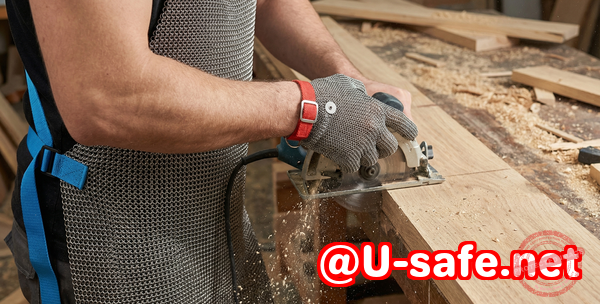
I’ve personally seen people purchase what they thought was high-quality chainmail, only to discover that the material couldn’t withstand even a simple test. It can be frustrating, but the good news is that you can easily learn to distinguish between low-quality, decorative chainmail and true, industrial-grade products.
Let me take you through some easy steps that will help you evaluate chainmail quality, ensuring that you make safe and smart choices. This guide is specifically designed for those in the market for genuine chainmail for industrial use, cosplay, or even historical replicas.
Understanding the Importance of Stainless Steel Chainmail
First things firstwhy stainless steel? This material is widely regarded as the best choice for chainmail, particularly in industrial and safety contexts, due to its durability and resistance to corrosion. Whether you’re handling knives in a kitchen or working around sharp metals, stainless steel chainmail provides an extra layer of protection against cuts and abrasions.
But not all stainless steel is created equal. There are different grades of steel, each with its own set of strengths. The two most commonly used grades for chainmail are 304 and 316 stainless steel. While 304 stainless steel is great for general use, 316 stainless steel offers superior resistance to corrosion, especially in environments that involve exposure to chemicals or saltwater.
Common Pain Points When Evaluating Chainmail Quality
One of the main struggles buyers face when purchasing chainmail is simply knowing what to look for. Here are three common issues that can lead to a poor purchasing decision:
-
Welded vs. Open Rings
Not all chainmail is created equal when it comes to the integrity of the rings. Open rings, which are rings that are not welded shut, are often used in cheaper products. They might look fine but can easily come apart under pressure. On the other hand, welded rings are much stronger and maintain their integrity even under heavy use. When inspecting a piece of chainmail, make sure to look at the rings closely. A simple test is to lightly pull on a ring. If it doesn’t come apart or bend, then you likely have welded rings.
-
Inconsistent Weave Patterns
A strong, durable weave is crucial for any chainmail to offer adequate protection. European 4-in-1 is one of the most common, reliable weaves for strength and durability. If you see a chainmail piece with a loose or uneven weave, it could be an indication that the product won’t stand the test of time. Weaving patterns that are too loose can make the chainmail weak and prone to breaking under stress.
-
Poor Material or Wire Thickness
The thickness of the wire plays a huge role in how well the chainmail performs. Thinner wire, while lighter, tends to be less durable. When evaluating chainmail, make sure the wire is thick enough to provide real protection. The inner diameter of the rings also matters. A larger diameter can result in a weaker product, while smaller diameters can offer better protection but may be less flexible.
How to Inspect and Verify Chainmail Quality
The good news is that inspecting chainmail doesn’t require a lot of specialized knowledge. Here are a few simple steps that you can take to ensure you’re getting the best product for your needs:
1. Check the Material
-
304 vs. 316 Stainless Steel: Make sure the chainmail is made from high-quality stainless steel. If you’re working in an environment with exposure to chemicals or moisture, I highly recommend going with 316 stainless steel, as it offers superior corrosion resistance. For less demanding environments, 304 can still be a reliable option.
2. Inspect the Rings
-
Welded Rings: As mentioned earlier, the rings should be welded, not open. Look closely at each individual ring and check for any signs of gaps or openings.
-
Wire Thickness: Check the thickness of the wire used in the chainmail. A thinner wire is cheaper, but it won’t offer the same level of protection as a thicker wire would.
-
Ring Diameter: Ideally, you want a ring diameter that is smaller than the typical chainmail used for display purposes. This is particularly important for protective chainmail.
3. Assess the Weave
-
The European 4-in-1 weave is a classic example of a durable, high-strength weave pattern. It interlocks the rings in a way that maximizes their strength while maintaining flexibility. Check for consistency in the weave and make sure that there are no gaps between the rings.
4. Perform a Pull Test
-
One of the easiest ways to test the durability of your chainmail is with a simple pull test. Gently tug at the chainmail to see if any rings come loose. If they do, it could be a sign of poor craftsmanship or weak material.
5. Examine for Corrosion
-
Signs of Corrosion: Even stainless steel can corrode over time, especially if it’s not of the highest grade. Look for any discoloration or rust, especially around the edges of the rings. If you spot signs of corrosion, avoid purchasing that product.
Why Proper Inspection Is Crucial
Not only will proper inspection save you money by preventing you from buying low-quality chainmail, but it also helps ensure that the chainmail meets safety and durability standards. Here are a few reasons why it’s crucial:
-
Avoid Unsafe Products: If you’re purchasing chainmail for industrial use, poor-quality chainmail can lead to injuries. Low-quality rings or weaves can break under pressure, which might result in cuts or other injuries.
-
Save Money: By identifying low-quality products before purchase, you can avoid spending money on items that don’t meet your needs.
-
Long-Term Durability: High-quality chainmail can last for years, offering you protection and durability. Buying well-made products means you won’t have to replace them as often.
Conclusion: How to Ensure Safety and Durability
I highly recommend following these steps when evaluating chainmail. Whether you’re buying chainmail for industrial protection, cosplay, or historical purposes, it’s vital to ensure that the material, rings, weave, and overall craftsmanship meet your specific needs. By checking the material type, inspecting the rings, evaluating the weave pattern, and performing a pull test, you’ll avoid the pitfalls of low-quality, unsafe chainmail.
If you’re looking for more information, Aegimesh Chainmail offers a detailed chainmail inspection guide to help you make the best purchasing decisions.
Learn more about identifying high-quality chainmail products here.
FAQs
1. How can I tell if a chainmail ring is welded or open?
Look closely at the edges of each ring. Welded rings will be sealed shut, while open rings may show a small gap. A simple pull test can also help confirm the integrity of the weld.
2. Which stainless steel grade is best for long-lasting chainmail?
For superior corrosion resistance, 316 stainless steel is ideal, especially in environments with chemicals or moisture. 304 stainless steel is a good choice for general use.
3. How do I inspect the weave pattern for strength?
A strong weave, like European 4-in-1, interlocks rings in a way that maximizes strength and durability. Check for consistent spacing and tightness of the rings.
4. What are the signs of low-quality or unsafe chainmail?
Look for loose rings, poor welds, uneven weave patterns, or signs of corrosion. Any of these factors indicate that the chainmail may not offer adequate protection.
5. Can decorative chainmail be used for protective purposes?
While decorative chainmail can be visually stunning, it’s often made with thinner wire and open rings. It’s not recommended for protective purposes, as it won’t provide sufficient safety.
6. How do I choose the right chainmail for industrial vs. cosplay use?
For industrial use, opt for thicker wire and welded rings, preferably made from 316 stainless steel. For cosplay, decorative chainmail made from 304 stainless steel may be sufficient, but always ensure the weave and rings are secure.





 한국어
한국어  Русский
  العربية