


Why EN 1082 Is Essential for High-Risk Jobs Involving Sharp Objects
Why EN 1082 Is Essential for High-Risk Jobs Involving Sharp Objects
When working in environments with sharp objects, safety is non-negotiable. Whether you’re involved in industrial work, food processing, or even cosplay, choosing the right chainmail is critical for ensuring protection against cuts and abrasions. But with so many products on the market, how do you ensure the chainmail you’re buying is actually safe and durable?
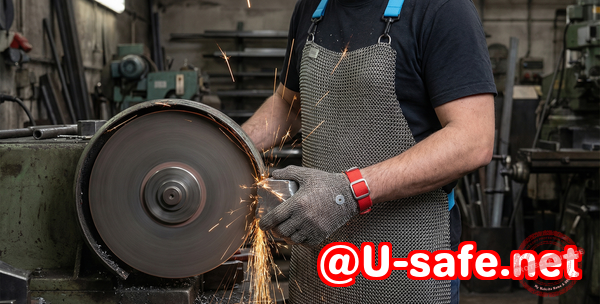
The Challenge of Finding High-Quality Chainmail
Let me paint a picture for you: Imagine you’re working in a kitchen, handling heavy-duty knives and sharp blades, or maybe you’re on an industrial worksite surrounded by hazardous tools. You need protectionbut not just any protection. You need durable, high-quality chainmail that will resist cuts, tears, and wear and tear. However, as many buyers soon discover, the market is full of low-quality chainmail that might look the part but fails when put to the test.
It’s a common frustration among buyers, collectors, and professionals alike. But don’t worry, this article is designed to guide you through the process of identifying genuine, high-quality chainmail that can truly protect you in high-risk environments.
Why EN 1082 Matters in High-Risk Jobs
The European Standard EN 1082 defines the technical requirements for protective clothing that incorporates chainmail. This standard is vital for any industry or activity involving sharp objects where safety is a concern. In short, it sets clear criteria for the durability and protective qualities of chainmail, ensuring it meets the necessary strength and safety standards for workers in high-risk jobs.
For jobs like food processing, where workers handle sharp knives, or in industrial settings where heavy machinery and sharp metal tools are in use, following the EN 1082 standard ensures that the chainmail you’re wearing can withstand the rigors of the job. Without proper certification and quality, chainmail can become a liability rather than an asset.
Common Pain Points When Evaluating Chainmail
When purchasing chainmail, there are several pain points that often arise:
-
Identifying the Quality of the Rings
Not all chainmail rings are created equal. While welded rings offer superior strength and durability, open rings are more likely to weaken and break under pressure. It can be tricky to tell the difference at first glance, but understanding how to inspect them can save you a lot of trouble down the road.
-
Uncertainty About Material Types
Chainmail can be made from various metals, but stainless steel is the most common. However, there are two main types of stainless steel used in chainmail: 304 and 316. The latter offers better resistance to corrosion, which is crucial if you’re working in humid or wet environments, such as the food industry.
-
Inconsistent Weave Patterns
The strength of chainmail is significantly impacted by the type of weave it employs. The European 4-in-1 weave, for instance, is one of the strongest patterns used for protective chainmail. Weaving inconsistencies or subpar weaves can compromise the overall durability and effectiveness of the chainmail.
By now, you’re probably wondering: How can I avoid these common mistakes and ensure the chainmail I buy is both safe and durable? Here’s how you can start inspecting your chainmail like a pro.
Practical Guide to Chainmail Inspection
Knowing how to evaluate chainmail for quality is the key to making an informed purchase. Here’s a breakdown of the essential things you should inspect before making your decision.
1. Check the Material
Start by inspecting the material used in the chainmail. High-quality chainmail should be made from stainless steel, ideally 316 stainless steel for maximum corrosion resistance. 304 steel, while also durable, is more prone to rust over time, especially when exposed to moisture. In environments like kitchens or industrial settings, the last thing you want is a rusting suit of chainmail!
2. Inspect the Rings: Welded or Open?
Next, take a close look at the rings used in the chainmail. As mentioned earlier, welded rings are far superior to open rings, which can easily slip apart. Try gently pulling on the rings. If they give way or feel loose, the chainmail is probably low quality.
You can also examine the welding closely. A high-quality weld should look smooth and consistent, with no gaps or rough edges. If the welding appears uneven or if you spot any gaps in the rings, it’s a red flag.
3. Wire Thickness and Ring Diameter
The wire thickness and the ring diameter are essential for the strength and durability of the chainmail. Thicker wire provides better protection, but it can also make the chainmail heavier. For industrial jobs, you’ll need a balance of both, with wire thick enough to resist cuts but light enough for comfort.
The inner diameter of the rings is another factor to check. If the rings are too large, the weave will be loose and less durable. If they are too small, the chainmail may be too stiff and uncomfortable to wear. A good rule of thumb is to check for European 4-in-1 weavethis is a strong, tight weave that ensures maximum protection.
4. Weave Patterns: European 4-in-1
The weave pattern is often the unsung hero of chainmail durability. The European 4-in-1 weave pattern is one of the strongest, providing a consistent barrier against sharp objects. This weave interlocks four rings around each one, creating a sturdy shield.
To inspect the weave, feel the chainmail with your fingers and gently try to pull it apart. If the rings shift or the pattern comes loose, the weave is weak, and the chainmail isn’t up to standard.
5. Pull Test for Durability
A simple pull test can give you a good indication of the strength of the chainmail. Pull at different points of the chainmail and see if any rings come apart. If the chainmail holds firm, it’s a sign that it’s well-made and durable.
6. Look for Signs of Corrosion or Wear
Even stainless steel chainmail can corrode or wear out over time, particularly in environments with excessive moisture. Look for any signs of rust, particularly around the welds or in places where the rings overlap. If you notice any, it’s time to look for a replacement.
Benefits of Proper Chainmail Inspection
By following these inspection steps, you’re not only ensuring that your chainmail is safe and durable but also making sure you’re not wasting money on inferior products. Here are some benefits of proper inspection:
-
Avoid Unsafe Purchases: Chainmail made with poor-quality materials or flawed weaves can break or tear, leaving you exposed to injury.
-
Long-Term Durability: High-quality chainmail lasts longer, even with regular use.
-
Cost Savings: Identifying low-quality chainmail upfront saves you from having to replace subpar products frequently.
Conclusion: Make Informed Choices
In high-risk jobs involving sharp objects, there’s no room for compromise when it comes to safety. Whether you’re buying chainmail for industrial protection, food handling, cosplay, or a historical replica, it’s crucial to inspect the material, rings, wire thickness, weave, and overall construction. I highly recommend following the steps I’ve outlined to ensure that your chainmail purchase meets the necessary safety and durability standards.
To learn more about identifying high-quality chainmail products, check out our detailed chainmail inspection guide today!
FAQ
-
How can I tell if a chainmail ring is welded or open?
A welded ring will be smooth and secure, while an open ring will have a visible seam that could be prone to breaking.
-
Which stainless steel grade is best for long-lasting chainmail?
316 stainless steel is best for its corrosion resistance, making it ideal for high-risk environments.
-
How do I inspect the weave pattern for strength?
Check for a consistent European 4-in-1 weave and test the chainmail’s durability by gently pulling at different points.
-
What are the signs of low-quality or unsafe chainmail?
Look for poor welding, loose rings, rust, or inconsistent weave patterns.
-
Can decorative chainmail be used for protective purposes?
Decorative chainmail is often weaker than protective chainmail and should not be relied upon for safety.
-
How do I choose the right chainmail for industrial vs cosplay use?
For industrial use, prioritize durability and safety, focusing on materials like 316 stainless steel and a tight weave. For cosplay, comfort and aesthetic appeal might be more important, but still ensure the chainmail is well-made.
Tags:
-
Chainmail quality
-
Welded rings
-
Stainless steel chainmail
-
Cut-resistant chainmail
-
Chainmail inspection
-
European 4-in-1 weave
-
Chainmail durability





 한국어
한국어  Русский
  العربية