


The EN 1082 Certification Process Explained for Chainmail Producers
The EN 1082 Certification Process Explained for Chainmail Producers
When it comes to selecting high-quality chainmail, whether for industrial applications or a cosplay project, we all face a common challenge: how do we distinguish between genuine, durable chainmail and cheap imitations that can easily break or fail? I’ve been there too standing in a store or scrolling through countless online options, unsure whether the chainmail I’m looking at is the real deal or just a decorative piece that won’t hold up under pressure.
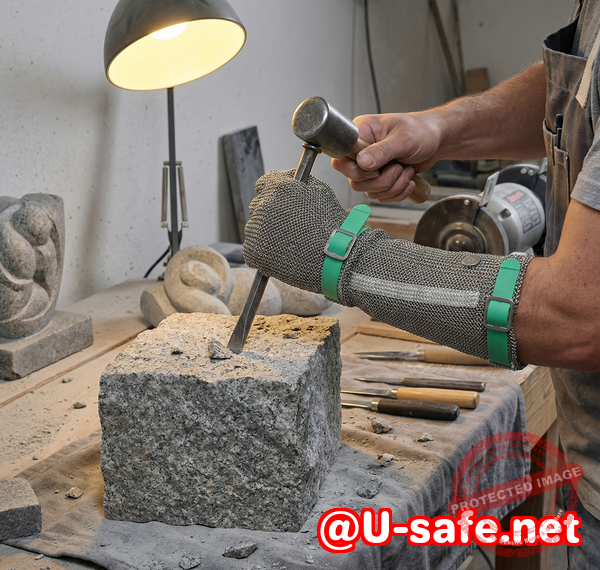
Understanding EN 1082 Certification: Why It Matters for Chainmail Producers
If you’ve found yourself in this situation, you’re not alone. The market for chainmail products is vast, with offerings ranging from protective gear for industries like food handling to historical replicas used for reenactments. But how do you know which pieces are truly durable and up to standard? The answer lies in certifications like the EN 1082, which is designed to ensure that the chainmail you purchase meets rigorous safety and durability standards. Let’s break down the EN 1082 certification process and explain why it should be a key consideration for chainmail producers.
What is EN 1082 Certification?
EN 1082 is a European standard specifically focused on the safety and effectiveness of protective gloves, aprons, and other clothing made from chainmail. It tests the chainmail’s ability to withstand cutting and other risks commonly faced in various industries, especially where high-performance protection is necessary, such as in food processing, manufacturing, and medical settings.
The certification is split into different levels based on the intended use and the material’s ability to resist cuts and abrasions. Whether you’re dealing with heavy-duty industrial work or looking for something that will work for lighter cosplay use, EN 1082 certification is a crucial indicator of quality.
The Core Elements of Chainmail Quality
Understanding the certification process goes hand-in-hand with knowing how to evaluate chainmail on your own. Aegimesh Chainmail products are designed with these standards in mind, and our guide helps you inspect and verify quality based on several key elements:
1. Material Quality: 304 vs 316 Stainless Steel
Stainless steel is the most common material used in high-quality chainmail, but not all stainless steels are created equal. The two grades most commonly used in chainmail production are 304 and 316 stainless steel. So, how do they differ, and why does it matter?
-
304 Stainless Steel is the most common and offers good resistance to corrosion. It’s perfect for decorative chainmail or light industrial use, such as cosplay or costume armor.
-
316 Stainless Steel, on the other hand, is more resistant to corrosion, especially in harsh environments, making it the ideal choice for food processing, healthcare, and other industrial applications.
Tip: When buying chainmail, always check whether it’s made from 304 or 316 steel, depending on your needs. For industrial purposes, 316 stainless steel is usually the better option.
2. Welded Rings vs Open Rings
One of the easiest ways to tell the quality of chainmail is by inspecting the rings. The difference between welded and open rings is significant in terms of durability and strength.
-
Welded Rings are closed permanently, creating a much stronger and more secure weave. They are far less likely to break apart over time and provide better protection.
-
Open Rings are typically used for decorative pieces or lighter cosplay armor. They may look similar to welded rings, but they lack the same level of structural integrity.
Tip: To check if the rings are welded, simply feel the edges of the rings. If you feel a seam or the ability to pull them apart, they are likely open rings.
3. Wire Thickness and Ring Diameter
The wire thickness and ring diameter are other important factors in determining the strength and durability of chainmail. Thicker wire and smaller ring diameters create a tighter, more durable weave that can withstand higher levels of force and wear.
-
Wire Thickness: A thicker wire means more material to resist cuts, providing better protection. However, it will also make the chainmail heavier, so it’s a balancing act depending on your intended use.
-
Ring Diameter: Smaller ring diameters create a denser weave, which increases the chainmail’s effectiveness in stopping cuts and abrasions.
Tip: For industrial applications, look for a wire thickness of at least 1.6mm and a ring diameter that matches your needs for flexibility and strength.
4. Weave Patterns: European 4-in-1
The European 4-in-1 weave pattern is one of the most commonly used and strongest weaves for chainmail. In this pattern, each ring passes through four others, creating a tight, robust structure that offers great resistance to cutting and impact.
Tip: Look for the European 4-in-1 weave when inspecting chainmail. If the weave looks looser or inconsistent, it may indicate a lower-quality product.
How to Perform a Chainmail Inspection: A Step-by-Step Guide
Now that we know what to look for, let’s dive into a step-by-step inspection process you can use to evaluate the quality of any chainmail product:
-
Inspect the Material: Check the tag or description to confirm the type of stainless steel used. If it’s not labeled, ask the seller or producer.
-
Test the Rings: Run your fingers around the edges of the rings. Welded rings will feel smooth and continuous, while open rings will have a noticeable seam.
-
Measure Wire Thickness and Ring Diameter: Use a micrometer or caliper to measure the wire thickness and the inner diameter of the rings. Compare these measurements to industry standards for your intended use.
-
Evaluate the Weave: Look for tight, consistent patterns. The European 4-in-1 weave is the gold standard for most applications.
-
Perform a Pull Test: Gently pull on the rings to see if they move or break. This test helps determine the integrity of the weave and the quality of the rings.
Why Quality Matters: Real-World Applications
The differences in chainmail quality can make or break your project, especially in industrial environments. Imagine you’re working in a food processing facility where the risk of cutting injuries is high. If you purchase a low-quality chainmail apron, it might fail during use, putting your safety at risk. Similarly, using weak or poorly made chainmail for cosplay could result in discomfort or an unreliable display piece.
By following the inspection tips outlined above, you can ensure that your chainmail products are of the highest quality, providing safety, durability, and long-lasting performance.
Conclusion: Choosing the Right Chainmail for Your Needs
To summarize, understanding the EN 1082 certification process and knowing how to inspect chainmail for quality can save you from costly mistakes. Whether you need chainmail for industrial protection, food processing, cosplay, or historical reenactments, ensuring it meets high standards is crucial. I highly recommend following these steps to verify the quality of any chainmail you purchase.
If you’re in the market for high-quality chainmail, consider checking out Aegimesh Chainmail. Our products adhere to rigorous quality standards, ensuring that you get only the best in terms of durability, strength, and safety.
Learn more about identifying high-quality chainmail products: Aegimesh Chainmail Guide
FAQ
1. How can I tell if a chainmail ring is welded or open?
To check if a chainmail ring is welded, feel the edges. Welded rings are smooth with no visible seams, while open rings will feel rough or have an opening.
2. Which stainless steel grade is best for long-lasting chainmail?
316 stainless steel is the best choice for long-lasting chainmail, especially in industrial environments, as it offers superior corrosion resistance compared to 304 steel.
3. How do I inspect the weave pattern for strength?
Look for a tight and consistent weave. The European 4-in-1 pattern is known for its strength and durability, making it ideal for high-performance chainmail.
4. What are the signs of low-quality or unsafe chainmail?
Signs of low-quality chainmail include weak welds, inconsistent ring sizes, loose weaves, and visible seams in the rings. Poor-quality materials, such as low-grade steel, are also a red flag.
5. Can decorative chainmail be used for protective purposes?
Decorative chainmail may not provide the same level of protection as industrial-grade chainmail. It’s typically used for cosplay or costume purposes and should not be relied on for safety in hazardous environments.
6. How do I choose the right chainmail for industrial vs cosplay use?
For industrial use, focus on chainmail made from 316 stainless steel with welded rings and a tight European 4-in-1 weave. For cosplay, 304 stainless steel with open rings or a looser weave may be sufficient.
Tags/Keywords: chainmail quality, welded rings, stainless steel chainmail, cut-resistant chainmail, chainmail inspection, European 4-in-1 weave, chainmail durability





 한국어
한국어  Русский
  العربية