


Steel Metal Chainmail for Food Industry PPE
Steel Metal Chainmail for Food Industry PPE: How to Identify High-Quality Chainmail Products for Safety, Durability, and Professional Use
When it comes to selecting chainmail, whether for food processing, industrial protection, or cosplay, the options available can be overwhelming. As a buyer, collector, or professional, it’s often hard to know which products are genuinely high-quality and safe for your needs. Have you ever found yourself staring at a chainmail product, unsure whether it’s durable enough for industrial use or safe enough for food handling? You’re not alone.
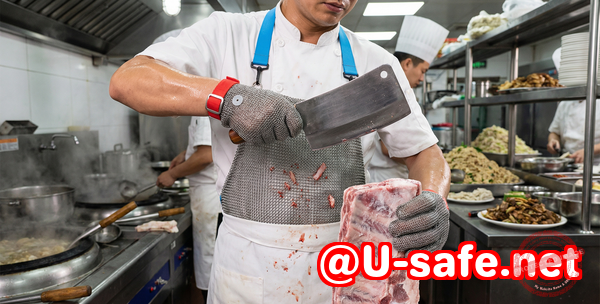
When purchasing chainmail for protection or display, many buyers struggle with identifying which products meet the necessary safety and durability standards. In some cases, low-quality chainmail might look just as good as a high-end piece, but when you take a closer look, it might not hold up to your expectations. This can be especially concerning in industries like food handling, where safety and cleanliness are paramount, or in industrial settings where durability is non-negotiable.
The good news is, evaluating chainmail quality doesn’t have to be complicated. By following a few simple inspection steps, you can avoid the frustration of purchasing low-quality products. Let’s dive into how you can tell the difference between high and low-quality chainmail, ensuring that you’re investing in a product that meets your needs and stands the test of time.
Common Chainmail Pain Points and How to Avoid Them
1. Welded Rings vs Open Rings
One of the most common issues people face when evaluating chainmail is the difficulty in distinguishing between welded rings and open rings. It’s easy to assume that all chainmail is created equal, but there’s a significant difference in terms of durability and safety.
-
Welded rings: These are tightly joined together and provide a much stronger weave, ensuring that the chainmail is durable and reliable for industrial or protective use.
-
Open rings: While they may look similar to welded rings, open rings can come apart under stress or pressure, making them unsuitable for anything other than decorative purposes.
How to Inspect:
Look closely at the rings. If you can see any signs of separation between the edges, it’s likely an open ring, which may not withstand heavy-duty use. For safety and durability, always choose welded rings, especially if the chainmail is intended for industrial or protective purposes.
2. Stainless Steel Grade
Not all stainless steel is created equal. The two most common grades used in high-quality chainmail are 304 stainless steel and 316 stainless steel.
-
304 Stainless Steel: This is the most common stainless steel and works well for decorative pieces or low-risk applications. However, it’s more prone to corrosion in wet or harsh environments.
-
316 Stainless Steel: A superior grade that contains molybdenum, making it much more resistant to corrosion, especially in food processing environments or areas where the chainmail will be exposed to moisture, chemicals, or salt.
How to Inspect:
Check the product description and material specifications. If you’re unsure, you can perform a simple rust testif the chainmail rusts quickly when exposed to moisture, it’s likely made from lower-grade stainless steel. For food processing or other critical uses, 316 stainless steel is the best choice for preventing corrosion and ensuring long-term durability.
3. Wire Thickness and Ring Diameter
Another factor that affects the overall quality and strength of the chainmail is the wire thickness and ring diameter. A thinner wire or smaller diameter ring will weaken the weave, making it more likely to break under pressure or wear out faster.
How to Inspect:
The thickness of the wire should feel substantial to the touchif it feels flimsy or bends too easily, it’s a sign that the chainmail might not withstand heavy use. Additionally, check the inner diameter of the rings; too large of a gap can weaken the overall structure.
4. Weave Patterns: European 4-in-1 Weave
The weave pattern is critical for strength. A European 4-in-1 weave is one of the most popular patterns for high-quality chainmail because it offers superior strength and flexibility.
How to Inspect:
Inspect the weave closelyeach ring should pass through four other rings, creating a tight and uniform pattern. If the weave looks loose, inconsistent, or irregular, it could indicate poor craftsmanship. For industrial protection or food safety, a tight and uniform weave is essential to ensuring that the chainmail holds together under stress.
Aegimesh Chainmail: Your Guide to Identifying Quality Chainmail
At Aegimesh Chainmail, we believe in helping our customers make informed decisions. With our easy-to-follow inspection guide, you can ensure that your chainmail products meet the highest standards of safety and durability.
Step-by-Step Guide to Chainmail Inspection
Here are some simple steps you can follow to inspect the quality of your chainmail:
-
Perform a Pull Test: Hold a single ring and pull it apart. If the ring opens up or feels weak, it’s a sign of poor-quality construction. High-quality chainmail should withstand significant force without breaking.
-
Examine for Corrosion: Take a close look at the chainmail under good lighting. Look for any signs of rust, discoloration, or pitting. If you notice any of these, it’s likely a sign that the steel is of poor quality or wasn’t treated properly.
-
Inspect the Weave Pattern: Check the consistency of the weave. High-quality chainmail should have a tight, uniform weave. Loose rings or gaps between them can lead to vulnerabilities in the chainmail’s overall strength.
-
Check Material Specifications: Always verify that the chainmail is made from 304 or 316 stainless steel, depending on your needs. For food processing or industrial protection, 316 stainless steel is highly recommended due to its superior corrosion resistance.
Why Proper Inspection Matters
By following these simple inspection steps, you can save yourself from costly mistakes and avoid purchasing chainmail that might not meet your needs. Whether you’re looking for industrial cut protection, cosplay chainmail, or food-safe gear, proper inspection ensures that you’re investing in a product that’s not only durable but safe to use.
For industrial or food processing applications, ensuring that your chainmail meets safety standards can mean the difference between a successful operation and a dangerous, costly mishap. By ensuring the durability and integrity of the material, you can avoid accidents and reduce the likelihood of safety violations.
Conclusion: Ensuring Quality Chainmail Purchases
When it comes to purchasing chainmail, quality matterswhether you’re using it for industrial applications, food processing, cosplay, or collectibles. By inspecting the material, welds, wire thickness, and weave patterns, you can easily distinguish high-quality chainmail from low-quality or decorative imitations.
I highly recommend following these inspection steps to ensure any chainmail purchase meets safety and durability standards. Don’t take risks with your investmentmake sure your chainmail is up to the task.
For more information on how to identify high-quality chainmail products, check out our detailed chainmail inspection guide at Aegimesh Chainmail.
FAQ
1. How can I tell if a chainmail ring is welded or open?
Welded rings will be tightly joined with no visible gaps, while open rings will show a visible separation between the ends. Use a magnifying glass for a closer inspection.
2. Which stainless steel grade is best for long-lasting chainmail?
316 stainless steel is the best for long-lasting, corrosion-resistant chainmail, especially in food handling or industrial applications.
3. How do I inspect the weave pattern for strength?
Look for a tight, consistent pattern where each ring passes through four others (in the case of European 4-in-1). Gaps or irregularities can weaken the structure.
4. What are the signs of low-quality or unsafe chainmail?
Signs include loose rings, weak or bendable wire, visible rust, irregular weave patterns, or rings that easily separate.
5. Can decorative chainmail be used for protective purposes?
Decorative chainmail may not be suitable for protective use because it often uses open rings and thinner wire. For safety, always opt for welded rings and thicker wire.
6. How do I choose the right chainmail for industrial vs cosplay use?
For industrial or food processing applications, always choose chainmail made from 316 stainless steel with welded rings. For cosplay, you can use decorative pieces, but make sure they still meet your durability needs.
Tags or Keywords:
chainmail quality, welded rings, stainless steel chainmail, cut-resistant chainmail, chainmail inspection, European 4-in-1 weave, chainmail durability





 한국어
한국어  Русский
  العربية