


Steel Chainmail Rings The Building Blocks of Protective Armor
Steel Chainmail Rings: The Building Blocks of Protective Armor
When you’re in the market for chainmailwhether for protection, cosplay, or historical reenactmentshow can you be sure you’re buying a high-quality product that will stand the test of time? Many buyers, from industrial professionals to passionate collectors, often face a challenge when choosing chainmail that’s not only visually appealing but also durable and safe to use. As an experienced chainmail enthusiast and product expert, I’ve come across numerous instances where individuals unknowingly purchase chainmail that looks great but doesn’t quite deliver on durability or safety.
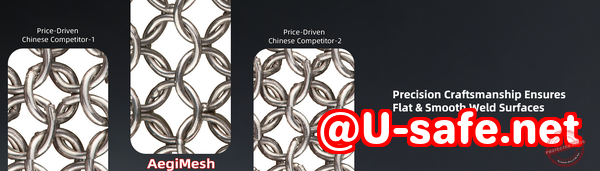
In this guide, I’ll walk you through how to identify high-quality chainmail rings, share tips on what to look for, and explain how to perform simple inspections to ensure your investment in chainmail products is worth it.
Common Pain Points in Choosing Chainmail
Whether you’re buying chainmail for industrial use, as a collectible, or for cosplay, there are a few key concerns most buyers share:
-
Difficulty distinguishing welded from open rings: Many buyers have trouble telling the difference between welded rings (which are more durable) and open rings (which are weaker and less secure).
-
Uncertainty about material quality: Not all chainmail is made equal, especially when it comes to stainless steel. The grade of the steel used can affect corrosion resistance, strength, and longevity.
-
Weave inconsistency: The weave pattern plays a crucial role in the strength and protection a chainmail product offers. A poor weave can result in a flimsy, unsafe product, especially for industrial or protective use.
If you’ve ever been confused about how to assess these aspects, you’re not alone. However, with the right knowledge, you can easily avoid common mistakes and make a smart purchase.
What to Look for in High-Quality Chainmail
The key to choosing the right chainmail is knowing what to inspect. Below, I’ll guide you through the steps to evaluate different aspects of chainmail and give you a checklist to follow when making a purchase.
1. Material: Stainless Steel Grades Matter
One of the first things you should consider when evaluating chainmail is the material. The grade of stainless steel used will directly impact the product’s durability, resistance to corrosion, and ability to handle stress.
-
304 Stainless Steel: Commonly used in chainmail products, 304 steel is durable and resistant to oxidation but might not hold up as well in harsh or highly acidic environments.
-
316 Stainless Steel: If you’re looking for chainmail that will resist corrosion and remain strong in more aggressive environments (like food handling or marine applications), go with 316 stainless steel. It has higher corrosion resistance and is typically the preferred option for heavy-duty chainmail.
Quick Tip:
To check the material, you can usually find it listed in the product description. If it’s not, ask the seller directly or request a sample. Chainmail made from 316 stainless steel will typically be more expensive but is definitely worth the investment for industrial applications or long-term durability.
2. Ring Type: Welded vs. Open Rings
You might be tempted to think that all chainmail rings are the same, but there’s a significant difference between welded rings and open rings.
-
Welded Rings: These are rings that have been fused together at the ends, making them far more durable and reliable. They’re resistant to unraveling and are ideal for heavy-duty use.
-
Open Rings: As the name suggests, these rings aren’t welded, which makes them weaker and more prone to breakage. While open rings can still work for decorative purposes, they aren’t reliable for protective gear.
How to Tell the Difference:
Inspect the rings closely. Welded rings will have a visible join where the two ends are fused together. Open rings will look like a typical wire ring without any seam.
3. Wire Thickness and Ring Diameter: Ensuring Strength
The strength of your chainmail isn’t just about the materialit also depends on the thickness of the wire and the inner diameter of the rings.
-
Wire Thickness: Thicker wires generally offer better protection, especially in industrial settings. If you’re looking for chainmail for cut protection, a thicker wire will provide better resistance.
-
Ring Diameter: The diameter of the rings should be large enough to interlock securely. If the rings are too small, the weave will be tight and fragile. Conversely, if they’re too large, the weave could become loose and ineffective at providing protection.
Quick Tip:
For industrial use (e.g., food processing), a thicker wire (around 14 or 16 gauge) with a smaller inner diameter (around 1/4″ or 3/8″) is recommended. For decorative or cosplay chainmail, a lighter gauge with larger rings might be more suitable.
4. Weave Pattern: The European 4-in-1 Weave
One of the most popular weave patterns in chainmail is the European 4-in-1. This pattern is strong, flexible, and widely used in both historical and modern chainmail products. It involves weaving each ring through four others, creating a stable and secure interlocking structure.
Why it Matters:
A good weave pattern ensures that the chainmail will hold its shape and provide proper protection. If the weave is loose or inconsistent, the structure will be weak, and the chainmail won’t offer much protection.
How to Inspect the Weave:
Check the weave for consistency. All rings should be evenly spaced and aligned. If you see gaps or rings that aren’t interlocked properly, the chainmail is likely poorly constructed.
The Importance of Proper Inspection
Proper inspection is the key to avoiding unsafe or low-quality chainmail. Whether you’re buying for industrial use, cosplay, or historical reenactments, a little extra effort in evaluating the product will ensure that your chainmail meets your needs and lasts for years to come.
How to Perform a Simple Pull Test
One of the easiest ways to check the durability of chainmail is by performing a simple pull test. Gently pull on a few of the rings and see if any of them detach or feel loose. If they do, that’s a sign the welds or weaves are weak, and you might want to look for a higher-quality product.
Identifying Corrosion or Poor Craftsmanship
Corrosion can be a sign of poor-quality stainless steel or improper treatment during manufacturing. Inspect the chainmail for any signs of rust or discoloration, especially in the areas where the rings meet. If you find any, it’s a red flag that the product isn’t made to withstand the elements or prolonged use.
Conclusion: Don’t Settle for Less Than the Best
When it comes to chainmail, quality should never be an afterthought. Whether you need it for protective gear, cosplay, or as part of a historical collection, taking the time to inspect your chainmail before purchase can save you from wasting money on subpar products and prevent safety risks down the line.
I highly recommend following these steps to ensure any chainmail purchase meets the safety and durability standards necessary for your intended use. By inspecting the material, checking the ring type, evaluating the wire thickness, and ensuring the weave is strong and consistent, you’ll be well-equipped to make a smart, informed decision.
Learn more about identifying high-quality chainmail products: https://www.aegimesh.com
Check out our detailed chainmail inspection guide today.
FAQ
1. How can I tell if a chainmail ring is welded or open?
Welded rings have a visible seam where the ends are fused together, while open rings don’t have any visible join and can easily separate.
2. Which stainless steel grade is best for long-lasting chainmail?
316 stainless steel is the best choice for durability and corrosion resistance, especially in harsh or industrial environments.
3. How do I inspect the weave pattern for strength?
Look for consistency in the weave. The rings should be tightly interlocked, with no gaps or loose sections.
4. What are the signs of low-quality or unsafe chainmail?
Look for signs of corrosion, loose or weak rings, inconsistent weave patterns, or low-grade steel. These are indicators that the chainmail may not offer the protection or durability you’re looking for.
5. Can decorative chainmail be used for protective purposes?
Not all decorative chainmail is strong enough for protection. It’s typically lighter and uses open rings or thinner wires, making it unsuitable for industrial or heavy-duty use.
6. How do I choose the right chainmail for industrial vs. cosplay use?
For industrial use, choose chainmail made from 316 stainless steel with thick wires and a strong weave (like European 4-in-1). For cosplay, lighter materials with larger rings may suffice, but ensure the weave is still tight and secure.
7. How do I know if a chainmail product is worth the price?
Inspect the material, ring type, weave pattern, and construction. A higher-quality product may cost more but will offer better durability, safety, and longevity.
Tags or Keywords
-
chainmail quality, welded rings, stainless steel chainmail, cut-resistant chainmail, chainmail inspection, European 4-in-1 weave, steel metal chainmail durability





 한국어
한국어  Русский
  العربية