


Stainless Steel Chainmail Features and Benefits
Stainless Steel Chainmail Features and Benefits
When purchasing chainmail for protection or display, I often struggle to know which products are genuinely high-quality. This is a concern many buyers, collectors, and professionals face when browsing for items, whether for industrial use, cosplay, or historical reenactments. With the rise of both high-end and low-quality products flooding the market, knowing how to evaluate chainmail can save you time, money, and, most importantly, ensure your safety.
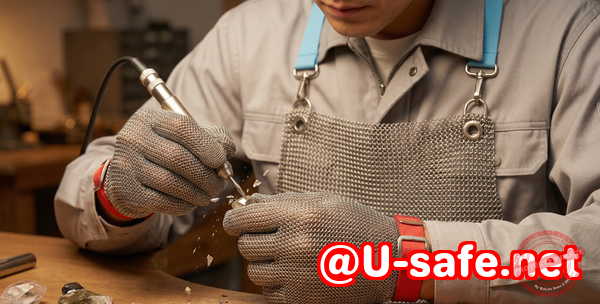
In this article, I’ll walk you through how to identify high-quality stainless steel chainmail by inspecting key features such as the type of steel used, the ring welding, and the weave pattern. By the end, you’ll know how to avoid unsafe purchases and make informed decisions every time you buy chainmail.
Common Chainmail Problems and How to Solve Them
Let’s face it: picking the right chainmail isn’t always straightforward. Whether you’re looking for industrial cut-resistant gear, food handling protection, cosplay accessories, or historical replicas, you want something that’s durable, safe, and high-quality. But how can you distinguish a truly superior product from a low-grade imitation?
Here are a few common pain points many buyers encounter:
-
Welded vs. Open Rings:
Not all chainmail rings are created equal. Some products use open rings, which are far less durable than welded ones. If you’re buying chainmail for protection, it’s crucial to ensure the rings are welded for maximum strength.
-
Corrosion Resistance:
Stainless steel is the standard material for chainmail, but did you know that not all stainless steel is equal? 304-grade stainless steel is the most common, but it doesn’t offer the same corrosion resistance as 316-grade stainless steel, which is essential for high-exposure environments like food processing.
-
Weak Weaves:
A poor-quality weave pattern can compromise the entire structure of the chainmail, leading to premature wear and tear. If you’re buying chainmail for industrial purposes or safety, the weave pattern plays a critical role in how well it can withstand stress and impact.
So, how can we avoid these pitfalls?
Step-by-Step Guide to Inspecting Stainless Steel Chainmail
At Aegimesh, we’re committed to ensuring that buyers can easily identify quality chainmail. Here’s how to conduct your own inspection and make sure you’re getting the real deal.
1. Material Type: 304 vs. 316 Stainless Steel
One of the most important distinctions to make is between 304 and 316 stainless steel. The difference lies in the amount of molybdenum (a corrosion-resistant alloy) present in the material.
-
304 Stainless Steel: Commonly used in many products, 304 steel is resistant to rust, but not ideal for extreme environments like exposure to saltwater or harsh chemicals. It’s fine for decorative chainmail or light-duty applications.
-
316 Stainless Steel: This is the go-to steel for high-durability chainmail, especially for industrial cut protection, food processing, or marine environments. It’s far more resistant to corrosion, making it the best option for environments where exposure to moisture or chemicals is frequent.
When purchasing chainmail, always ask for clarification on the material used. If the product description doesn’t mention it, consider it a red flag.
2. Ring Welding: Welded vs. Open Rings
One of the easiest ways to check the quality of a chainmail product is by inspecting the rings. High-quality chainmail will always use welded rings, which are closed by heat or pressure, offering superior strength and durability.
To spot welded rings:
-
Hold a ring between your fingers and gently pull it apart. If it stays intact without breaking, it’s likely welded.
-
Open rings will typically show a small gap between the ends, while welded rings will be perfectly closed.
For protection in high-risk industries (like construction or food processing), it’s essential that the rings are welded to prevent any openings that could compromise the safety of the wearer.
3. Wire Thickness and Ring Diameter
The thickness of the wire and the diameter of the rings directly affect the strength and durability of the chainmail. Thicker wires and smaller inner diameters generally result in stronger, more protective chainmail.
When inspecting chainmail:
-
Wire thickness: The thicker the wire, the stronger the chainmail will be. However, if it’s too thick, the product may become too heavy for comfort. Find the balance that suits your needs.
-
Ring diameter: For maximum strength, the ring’s inner diameter should be properly proportioned to the wire thickness. A good rule of thumb is to look for a weave where the wire thickness is 1/3 of the ring’s inner diameter.
4. Weave Pattern: European 4-in-1 and Its Benefits
The most common weave pattern used in high-quality chainmail is European 4-in-1. This weave consists of four rings passing through one central ring, creating a tight, durable structure.
Why does it matter?
-
The European 4-in-1 weave is widely regarded for its balance of flexibility and strength. It allows for the perfect amount of movement while still being robust enough to handle cuts and abrasions.
-
In industrial settings, a tightly woven European 4-in-1 pattern provides the necessary protection against sharp tools or blades.
To test the strength of the weave:
-
Gently pull the rings in different directions to ensure there’s no slack or stretching. A tight weave means your chainmail will perform better under pressure.
Practical Tips to Avoid Unsafe Chainmail Purchases
Now that you know how to assess the material, welding, wire thickness, and weave, let’s talk about a few practical tips that can help you spot poor-quality chainmail before you make a purchase:
-
Perform the Pull Test: Grab a section of the chainmail and tug it in different directions. High-quality chainmail will have no give or stretching. If it feels loose or flimsy, it’s probably low-quality.
-
Look for Signs of Corrosion: Stainless steel should not rust, but cheap chainmail often uses inferior grades of steel that corrode easily. Look for discoloration or rust spots, especially around the welds.
-
Inspect the Craftsmanship: Poor craftsmanship can lead to weak spots in the chainmail. Check for uneven weaves, poorly welded rings, or any signs of sloppy work that could lead to failure.
Conclusion: How to Make Sure Your Chainmail Purchase Is Safe and Durable
In conclusion, evaluating the quality of chainmail isn’t as difficult as it may seem once you know what to look for. By following the steps I’ve outlined, you can easily identify the material, check the welding, assess the wire thickness, and examine the weave pattern.
I highly recommend following these steps to ensure any chainmail purchase meets safety and durability standards. Whether you’re buying chainmail for industrial use, cosplay, or as a collector’s item, taking the time to inspect the product will pay off in the long run.
If you want to learn more about identifying high-quality chainmail products, check out our detailed chainmail inspection guide today!
FAQ:
Q1: How can I tell if a chainmail ring is welded or open?
A: Simply pull on the ring. If it stays intact without opening, it’s welded. Open rings will show a visible gap at the ends.
Q2: Which stainless steel grade is best for long-lasting chainmail?
A: 316 stainless steel is the best for long-lasting chainmail, especially in environments with exposure to moisture or harsh chemicals.
Q3: How do I inspect the weave pattern for strength?
A: Look for a European 4-in-1 weave, where four rings pass through one central ring. This pattern is strong and durable, providing excellent protection.
Q4: What are the signs of low-quality or unsafe chainmail?
A: Low-quality chainmail often has weak rings, inconsistent weaves, and visible corrosion or rust spots. It may also feel loose or flimsy.
Q5: Can decorative chainmail be used for protective purposes?
A: While decorative chainmail can look impressive, it’s typically not strong enough for protective purposes. Always check the material and weave before using it for safety.
Q6: How do I choose the right chainmail for industrial vs. cosplay use?
A: For industrial use, look for welded rings, 316 stainless steel, and a tight weave. For cosplay, 304 stainless steel with a looser weave may be sufficient, but durability is still key.
Tags: chainmail quality, welded rings, stainless steel chainmail, cut-resistant chainmail, chainmail inspection, European 4-in-1 weave, chainmail durability





 한국어
한국어  Русский
  العربية