


How Chainmail Aprons Reduce Serious Workplace Injuries
How Chainmail Aprons Reduce Serious Workplace Injuries
In high-risk industries like food processing, butchery, and metalwork, safety is a top priority. If you’ve ever worked with sharp tools, heavy machinery, or even delicate food prep tasks, you’ll know just how dangerous accidents can be. In these environments, chainmail aprons have become indispensable pieces of protective gear. But how do you know if the chainmail apron you’re buying is of high enough quality to keep you safe?
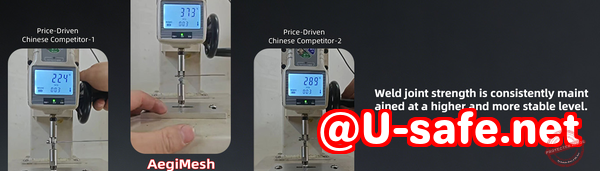
When purchasing chainmail for protection or display, it can be hard to distinguish between the various options on the market. Whether you’re buying for industrial safety or looking for cosplay accessories, finding the right quality product is essential. Unfortunately, many people make the mistake of investing in chainmail that might look impressive but isn’t durable or reliable when it comes to real protection.
In this article, I’ll walk you through how to identify high-quality chainmail, so you can make informed purchasing decisions and avoid wasting money or, worse, putting yourself or others at risk.
Common Issues When Evaluating Chainmail Quality
It’s no secret that not all chainmail is created equal. Many buyers fall victim to cheap imitations that look good in photos but fall apart with use or fail to provide the safety benefits they expect. Here are the most common pain points I’ve encountered when evaluating chainmail products:
-
Difficulty Identifying Welded vs. Open Rings: One of the biggest challenges in chainmail evaluation is recognizing whether the rings are welded shut or left open. Welded rings are essential for strength and durability, but open rings are often cheaper and more likely to come apart over time.
-
Uncertainty About Stainless Steel Grades: Not all stainless steel is the same, and using the wrong type can significantly affect the quality and longevity of the chainmail. You’ll often see products made with cheaper 304-grade stainless steel, which might not hold up as well as the more resistant 316-grade steel, particularly in industrial environments.
-
Weak or Inconsistent Weave Patterns: A common mistake people make is overlooking the importance of the weave. If the rings aren’t tightly woven in a consistent pattern, the chainmail can lose its protective qualities. This becomes especially problematic for industrial applications where strength is paramount.
How Aegimesh Chainmail Can Help
When evaluating chainmail, it’s crucial to inspect the material, craftsmanship, and weave before making a purchase. That’s where Aegimesh comes in. With a focus on high-quality, durable chainmail, Aegimesh provides a guide to help you identify what truly separates top-notch products from cheap, low-quality alternatives.
Let’s break down the steps you can take to evaluate chainmail, whether you’re looking for cut-resistant protection, a historical replica, or a cosplay accessory.
1. Inspecting the Material: 304 vs. 316 Stainless Steel
The first step in evaluating chainmail quality is determining the material. Stainless steel is the most commonly used material for chainmail, but there are different grades that offer varying levels of strength and resistance to corrosion.
-
304 Stainless Steel: This is the most commonly used steel, offering a good balance of cost and strength. It’s suitable for light-duty chainmail, like decorative pieces or cosplay armor. However, it’s prone to rust and corrosion over time, especially when exposed to harsh environments.
-
316 Stainless Steel: This grade of stainless steel is highly resistant to corrosion and is commonly used in industrial and food-processing applications. If you need chainmail that will hold up under heavy use, high moisture, or chemicals, 316 stainless steel is the superior choice.
Quick Tip:
If you’re buying chainmail for industrial use, always opt for 316 stainless steel. It might cost a bit more, but the added durability and corrosion resistance are well worth it.
2. Welded vs. Open Rings: Why the Difference Matters
Another critical distinction when evaluating chainmail is whether the rings are welded or open. This is a key factor in determining the overall durability and protective qualities of the product.
-
Welded Rings: Welded rings are fused shut, creating a secure bond that won’t unravel under stress. This is especially important for safety chainmail used in industries like butchery, where your protection relies on the rings staying intact.
-
Open Rings: Open rings are not fused and can easily come apart if subjected to heavy force. While these rings may be sufficient for decorative or light-use chainmail, they are not recommended for safety-critical environments.
Quick Tip:
Look closely at the rings. If the ends are slightly fused or closed, you’re looking at welded rings, which are far more reliable.
3. Weave Patterns: The Strength of European 4-in-1
One of the most important aspects of chainmail is the weave pattern. A well-woven chainmail product will offer better protection, while a poorly woven one could be more fragile and prone to breaking.
The European 4-in-1 weave pattern is one of the most popular and trusted styles for industrial and protective chainmail. In this pattern, each ring passes through four others, creating a strong, interlocking grid that distributes pressure evenly.
-
Why the European 4-in-1 Weave is Effective: This weave is strong and versatile, making it perfect for both cut-resistant chainmail and decorative pieces. It’s the ideal balance between flexibility and strength, offering protection without compromising on comfort.
Quick Tip:
When evaluating chainmail, check the consistency of the weave. Each ring should pass through four others, with no gaps or looseness. If the weave looks uneven, the chainmail may not hold up in high-stress situations.
4. Wire Thickness and Ring Diameter: Key for Durability
The wire thickness and ring diameter are other crucial factors in evaluating chainmail. These measurements affect both the strength and flexibility of the final product.
-
Wire Thickness: Thicker wire increases durability, making the chainmail more resistant to cutting or tearing. However, it can also make the chainmail stiffer and less comfortable to wear. When evaluating chainmail, look for a balance that meets your needsheavy-duty wire for protection and lighter wire for comfort.
-
Ring Diameter: The diameter of the rings affects how tightly the weave is packed and how well it distributes pressure. Smaller ring diameters offer a tighter, more secure weave, but they can also make the chainmail stiffer. Larger diameters may offer more flexibility but can compromise strength.
Quick Tip:
For industrial applications, go for thicker wire and smaller rings to maximize protection. For cosplay, a lighter, more flexible weave will be more comfortable without sacrificing too much durability.
How to Inspect Chainmail for Quality
Once you’ve understood the key factors that contribute to high-quality chainmail, it’s time to put your knowledge into practice. Here’s a quick step-by-step guide to inspecting chainmail before you buy:
-
Pull Test: Gently pull on a section of the chainmail. If it feels loose or any rings come apart, it’s a sign that the weave or welds may not be strong enough.
-
Corrosion Check: Examine the surface of the chainmail for any signs of rust or discoloration. If you see any, it’s likely made from lower-grade stainless steel that won’t last long.
-
Weave Consistency: Ensure the weave is tight and even, with no gaps between the rings. Check for any rings that aren’t properly linked or have excessive movement.
-
Material Check: Look for signs of the material grade. If it looks too shiny or soft, it might be 304 stainless steel, which is more prone to corrosion. A more matte finish is a sign of higher-quality 316 steel.
Conclusion: Making the Right Chainmail Choice
When it comes to chainmail, quality really matterswhether you’re buying for protection, cosplay, or display. By following these inspection tips, you can avoid purchasing low-quality chainmail that could fail in critical situations. I highly recommend following these steps to ensure that any chainmail purchase meets safety and durability standards.
If you’re ready to make an informed choice, learn more about identifying high-quality chainmail products and start evaluating your options today.
Check out our detailed chainmail inspection guide now!
FAQ
-
How can I tell if a chainmail ring is welded or open?
-
Look closely at the ring ends. Welded rings have their ends fused together, while open rings have a visible gap.
-
-
Which stainless steel grade is best for long-lasting chainmail?
-
For industrial applications, 316 stainless steel is the most durable, offering excellent corrosion resistance. For lighter uses, 304 steel is often sufficient.
-
-
How do I inspect the weave pattern for strength?
-
Check if the rings pass through four others consistently, forming a European 4-in-1 pattern. Ensure no rings are loose or misaligned.
-
-
What are the signs of low-quality or unsafe chainmail?
-
Loose rings, rust spots, uneven weaves, or a lack of welded rings are all signs of low-quality chainmail that may not provide sufficient protection.
-
-
Can decorative chainmail be used for protective purposes?
-
While decorative chainmail may look good, it’s often made from weaker materials or open rings and should not be used for safety-critical purposes.
-
-
How do I choose the right chainmail for industrial vs. cosplay use?
-
For industrial use, choose chainmail made from 316 stainless steel, welded rings, and a strong, tight weave. For cosplay, focus on comfort and flexibility with lighter materials like 304 steel and larger ring diameters.
-
Tags/Keywords:
chainmail quality, welded rings, stainless steel





 한국어
한국어  Русский
  العربية