


Exploring the Durability of Chainmail How Long Does It Last
Exploring the Durability of Chainmail: How Long Does It Last?
When purchasing chainmail for protection, cosplay, or display, it can be tough to know which products will stand the test of time. With so many variations in quality, it’s easy to fall into the trap of buying something that looks great but falls apart after just a few uses. Whether you’re in need of industrial-grade cut protection, historical replicas for your collection, or even cosplay accessories, understanding the true durability of chainmail is crucial.
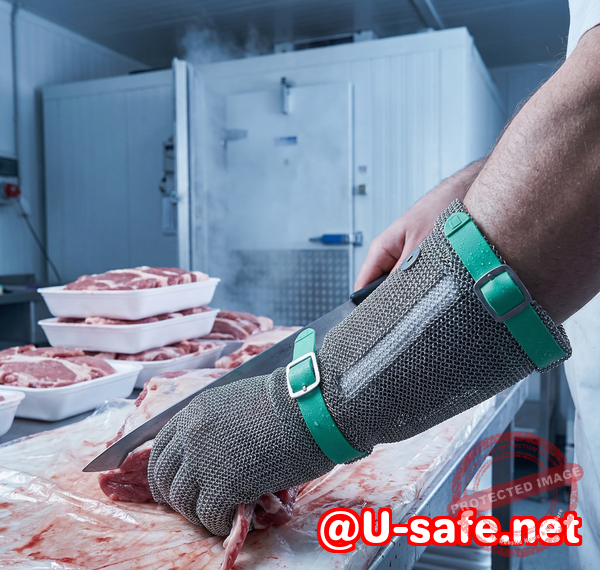
In this post, I’ll walk you through the key factors that affect chainmail durability. I’ll show you how to identify high-quality chainmail, how to inspect it for weaknesses, and how to ensure you’re making a smart investment in something that will last.
Understanding Chainmail Durability: What Affects Its Lifespan?
Chainmail is an incredibly versatile material, but its durability depends on a variety of factors. These range from the type of metal used to the weave pattern. In some industries, like food processing or safety gear, it’s essential that the chainmail meets high standards of quality. On the other hand, for cosplay or decorative purposes, durability may not be quite as critical, but it’s still important to understand what you’re getting.
So, how do you know whether the chainmail you’re looking at will last for years or fall apart after a few months? Here are the most important factors that influence the lifespan of chainmail:
1. Material Quality: Stainless Steel vs. Other Metals
The material is the backbone of your chainmail. The best chainmail for durability is made from high-quality stainless steel, usually grades 304 or 316. The key difference between these two is their resistance to corrosion. Grade 316 stainless steel has higher corrosion resistance, making it a great option for environments with exposure to moisture or chemicals (think food processing or marine environments).
-
304 Stainless Steel: Ideal for general use and decorative pieces. It’s durable but may corrode over time if exposed to harsh elements.
-
316 Stainless Steel: The best option for industrial applications and heavy-duty use due to its resistance to rust and corrosion.
If you’re planning to use your chainmail in harsh conditions, opt for 316 stainless steel to ensure long-lasting durability.
2. Welded Rings vs. Open Rings
When it comes to durability, one of the first things you should check is whether the rings in the chainmail are welded or open. Open rings are typically weaker and can become dislodged or pulled apart more easily. Welded rings, on the other hand, offer far more durability and strength.
For industrial or protective use, you’ll want to avoid chainmail made from open rings as it can compromise your safety. Look for a product that clearly states it uses welded rings, especially for tasks like cut-resistant gloves or aprons.
3. Wire Thickness and Inner Diameter
The thickness of the wire and the inner diameter of the rings both play a significant role in how strong your chainmail will be. Thicker wires and smaller ring diameters contribute to a more durable, tightly woven chainmail that will stand up to wear and tear.
Pro Tip: If you’re inspecting a piece of chainmail, gently tug on the rings to see if they shift or come apart. If the rings feel flimsy or move too easily, it’s a sign that the chainmail may not be up to the job.
4. Weave Pattern: European 4-in-1 and Beyond
Chainmail can be woven in different patterns, and the European 4-in-1 weave is one of the most well-known for its strength and durability. In a European 4-in-1 weave, each ring is connected to four others, creating a tight and sturdy structure.
-
European 4-in-1: Best for strength and durability, offering a good balance between flexibility and protection.
-
Other Weave Patterns: Some chainmail designs, like the 6-in-1 or 8-in-1 weaves, provide even more protection but can be less flexible.
The European 4-in-1 weave is the go-to pattern for high-quality chainmail used in everything from cut-resistant gear to historical armor replicas.
How to Inspect Chainmail for Durability
If you want to ensure that you’re investing in durable chainmail, it’s important to know how to inspect it. Here’s a step-by-step guide that will help you make an informed decision.
1. Inspect the Material
As mentioned earlier, the type of material is key to chainmail’s durability. When buying chainmail online or in-store, always ask about the material. If it’s not clearly labeled, consider reaching out to the seller for clarification. Chainmail made from low-quality metals like aluminum or low-grade stainless steel may look good at first but won’t hold up well in the long term.
2. Check the Rings
The next step is to look at the rings closely. Are they welded or open? If they’re open, it’s best to pass on the product, especially if you need it for protective purposes. Welding the rings significantly improves the integrity of the piece, ensuring the rings won’t pull apart when put under stress.
You can perform a simple “pull test” by gently tugging on the rings in different directions. If they come apart easily, it’s a sign that the chainmail is not of high quality.
3. Inspect the Wire Thickness and Ring Diameter
While inspecting the rings, take note of their thickness and diameter. Chainmail made with thinner wires or larger ring diameters may not be as durable as those with thicker wires and smaller rings. Make sure the rings feel substantial and firm.
4. Evaluate the Weave Pattern
Look closely at the weave pattern. Does the chainmail appear tightly woven, or are the rings loose and spaced apart? A tight, consistent weave indicates a high-quality product that will last longer and offer better protection.
The Benefits of Proper Chainmail Inspection
Taking the time to properly inspect your chainmail before purchasing it can save you a lot of money and frustration. Here’s how:
-
Safety First: If you’re purchasing chainmail for protective purposes, like cut-resistant gloves or industrial aprons, you want to make sure it meets safety standards. Chainmail with open rings, poor welds, or weak weave patterns can leave you vulnerable to cuts and injuries.
-
Long-Term Durability: Properly inspecting the material, rings, and weave ensures that your chainmail will last for years, rather than falling apart after a few uses.
-
Cost-Effective: By learning how to spot low-quality chainmail, you can avoid spending money on products that won’t hold up to daily wear. Buying high-quality chainmail upfront may cost more, but it’s a worthwhile investment.
Conclusion: Make the Smart Choice for Durable Chainmail
Chainmail is an incredible material, but its durability depends on many factors, including the quality of the metal, the type of rings used, the wire thickness, and the weave pattern. By following the simple inspection tips I’ve outlined, you’ll be well-equipped to evaluate chainmail products before making a purchase.
I highly recommend following these steps to ensure any chainmail purchase meets safety and durability standards. Whether you’re buying for industrial purposes, cosplay, or historical display, making an informed decision will help you avoid low-quality or unsafe products.
Want to learn more about identifying high-quality chainmail? Visit Aegimesh Chainmail for our full guide and inspection tool!
Frequently Asked Questions
-
How can I tell if a chainmail ring is welded or open?
-
Look closely at the rings. Welded rings will have a visible seam, while open rings will not be closed at all. You can also try pulling them apart; open rings will separate easily.
-
-
Which stainless steel grade is best for long-lasting chainmail?
-
Grade 316 stainless steel is the best for long-lasting chainmail, especially in environments exposed to moisture or chemicals.
-
-
How do I inspect the weave pattern for strength?
-
Check that the rings are tightly woven, with no gaps between them. A solid, uniform weave pattern indicates strength.
-
-
What are the signs of low-quality or unsafe chainmail?
-
Signs include open rings, weak welds, thin wires, and inconsistent weaves. Always check for these issues before making a purchase.
-
-
Can decorative chainmail be used for protective purposes?
-
Decorative chainmail may not meet the necessary standards for protection. It’s often made with weaker metals and open rings.
-
-
How do I choose the right chainmail for industrial vs. cosplay use?
-
For industrial use, choose welded rings, thick wires, and a tight weave pattern. For cosplay, you can use more decorative styles but still prioritize quality for durability.
-
Tags/Keywords
-
chainmail quality
-
welded rings
-
stainless steel chainmail
-
cut-resistant chainmail
-
chainmail inspection
-
European 4-in-1 weave
-
chainmail durability






 한국어
한국어  Русский
  العربية