


Chainmail Tunics for Demanding Industrial Tasks
Chainmail Tunics for Demanding Industrial Tasks
When it comes to choosing chainmail for demanding industrial tasks, the stakes are high. You need gear that will protect you in hazardous environments, yet still offer comfort and durability over time. But how do you tell which products are genuinely high-quality and which ones are just decorative? This is a common dilemma faced by buyers, collectors, and professionals alike.
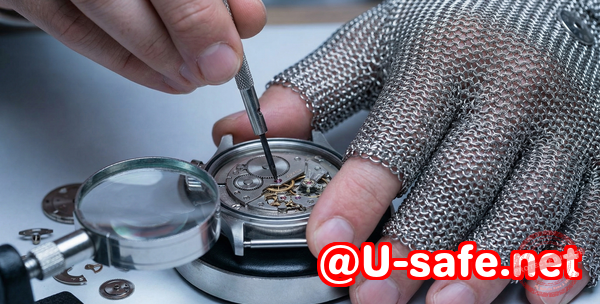
As a buyer, the task can feel daunting. With so many options on the market, it can be tough to distinguish between chainmail that will last through tough industrial use and the pieces designed more for costume play or light decorative purposes. Whether you’re looking for a chainmail tunic for industrial cut protection or a historical replica for a cosplay event, understanding how to assess quality is key. In this guide, I’ll walk you through the essential steps to help you make informed decisions and avoid costly mistakes.
Common Chainmail Pitfalls and How to Avoid Them
Chainmail is not a one-size-fits-all product. When evaluating a piece, it’s important to consider several factors to ensure it meets the demands of your taskwhether that’s industrial safety or cosplay accuracy. Let’s look at a few common pain points:
1. Welded Rings vs. Open Rings: How Can You Tell?
Many chainmail tunics use open ringsrings that aren’t fully closed. These rings are often cheaper to produce but don’t provide the same strength and durability as welded rings, where the ends of each ring are fused together to form a continuous loop.
The Problem: Open rings are weaker and can easily pull apart, which makes them unsuitable for industrial applications where safety is crucial. But how can you spot the difference between welded and open rings?
Solution: Simply inspecting the rings closely should reveal whether they are welded or open. With welded rings, you’ll notice the ends of each ring are securely fused, creating a smooth connection. On the other hand, open rings will show a small gap where the ends do not meet.
2. Which Stainless Steel Grade Should You Choose?
Not all stainless steel is created equal. The most common grades used for chainmail are 304 and 316 stainless steel. While both are durable and resistant to corrosion, 316 stainless steel is generally considered superior for industrial and food-processing environments due to its higher resistance to saltwater and chemicals.
The Problem: If you choose the wrong grade of steel for your use case, your chainmail could corrode prematurely, rendering it ineffective.
Solution: When purchasing chainmail, always check the grade of stainless steel used. 304 is adequate for decorative and light use, but if you need cut-resistant chainmail for heavy-duty industrial work or food handling, I highly recommend opting for 316 stainless steel for its superior corrosion resistance.
3. Weak or Inconsistent Weaves
A chainmail tunic might look good at first glance, but the quality of the weave is essential for its durability and strength. Weaves like European 4-in-1 are popular for their robustness, but if the rings are too large or the pattern is too loose, the tunic will lose its protective capabilities.
The Problem: Loose or poorly woven chainmail won’t provide the level of protection required for industrial tasks. It might also wear out faster, leading to higher replacement costs.
Solution: Take a look at the weave patternEuropean 4-in-1, for example, is a tried-and-true design that ensures strength and flexibility. When inspecting the weave, the rings should interlock in a tight, consistent pattern. If there are gaps between the rings or the weave feels flimsy, it’s a red flag.
Aegimesh Chainmail: Your Go-To for Quality Inspection
To ensure you’re getting a high-quality product, I recommend using the Aegimesh Chainmail guide and inspection tool. This resource helps buyers, collectors, and professionals assess the true quality of chainmail products by providing clear steps to inspect key elements such as welded rings, stainless steel grade, wire thickness, ring diameters, and weave patterns.
Here’s a breakdown of how you can inspect chainmail effectively:
1. Check the Material Type
Before you purchase chainmail, confirm the stainless steel grade. For most industrial uses, 316 stainless steel is your best option due to its corrosion resistance. If you’re using it for cosplay or decorative purposes, 304 stainless steel may be sufficient.
2. Inspect Ring Welding
Make sure the rings are welded (not open). This can be done visually or by gently tugging on the rings. If you find any loose or open rings, the chainmail is not up to par for industrial use.
3. Evaluate Wire Thickness and Ring Diameter
The thickness of the wire and the inner diameter of the rings directly impact the strength of the chainmail. Thin wires with larger ring diameters may not offer adequate protection, especially in environments with sharp objects or extreme conditions.
4. Assess the Weave Pattern
Look for a consistent weave pattern, like the European 4-in-1. This design is one of the most robust and offers a good balance between flexibility and strength. Check to see if the pattern remains tight and even, as uneven weaves could compromise the durability of the product.
5. Perform a Pull Test
One of the easiest ways to check for durability is the pull test. Gently pull the rings in different directions to ensure they are firmly interlocked. If you notice any movement or separation between rings, the chainmail may not be up to the task.
Why Chainmail Quality Matters
Whether you’re protecting yourself in an industrial setting, handling food, or simply wearing chainmail as part of a costume, quality matters. Poorly constructed chainmail not only puts you at risk but also wastes your money. By following these simple steps, you can avoid the pitfalls of low-quality chainmail and make a purchase you’ll feel confident in.
Key Benefits of Quality Chainmail:
-
Safety: Ensures protection against cuts, abrasions, and impacts, especially in industrial or food-processing environments.
-
Durability: High-quality chainmail can withstand heavy use, saving you money in the long run.
-
Cost-Effectiveness: Prevents the need to replace chainmail frequently due to poor craftsmanship.
-
Peace of Mind: By following these inspection methods, you can be certain your purchase is up to the task.
Conclusion: Make Informed Decisions for Quality Chainmail
In conclusion, it’s essential to follow a proper inspection process to identify high-quality chainmail, especially when selecting products for demanding tasks. I highly recommend using the Aegimesh Chainmail guide and taking the time to evaluate key factors such as welds, material type, ring diameter, and weave patterns. This will help ensure you invest in durable, safe, and high-quality chainmail products that meet your specific needs.
If you’re ready to make an informed choice, I encourage you to check out our detailed chainmail inspection guide today at Aegimesh Chainmail.
FAQ
-
How can I tell if a chainmail ring is welded or open?
-
Look closely at the ends of the rings. Welded rings will have smooth, fused ends, while open rings will have a visible gap between the ends.
-
-
Which stainless steel grade is best for long-lasting chainmail?
-
For industrial or food-processing use, 316 stainless steel offers the best corrosion resistance and durability. 304 stainless steel is good for decorative purposes.
-
-
How do I inspect the weave pattern for strength?
-
Check if the rings interlock evenly in a tight, consistent pattern. The European 4-in-1 weave is a strong, reliable option for both durability and flexibility.
-
-
What are the signs of low-quality or unsafe chainmail?
-
Look for loose or open rings, inconsistent weave patterns, or signs of corrosion or wear. Weak spots or gaps indicate poor craftsmanship.
-
-
Can decorative chainmail be used for protective purposes?
-
Generally, no. Decorative chainmail often uses open rings or less durable materials. For safety, always ensure your chainmail meets the required strength standards for the task.
-
-
How do I choose the right chainmail for industrial vs. cosplay use?
-
For industrial use, prioritize welded rings, corrosion-resistant material like 316 stainless steel, and a tight, strong weave. For cosplay, aesthetic appeal and lighter materials may be sufficient, but still check for craftsmanship and durability.
-
Tags or Keywords
-
chainmail quality, welded rings, stainless steel chainmail, cut-resistant chainmail, chainmail inspection, European 4-in-1 weave, chainmail durability





 한국어
한국어  Русский
  العربية