


Chainmail Steel Rings How They Are Made and Used
Chainmail Steel Rings: How They Are Made and Used
When it comes to buying chainmail for practical usewhether for industrial protection, cosplay, or historical reenactmentsthe task can be overwhelming. I’ve heard it time and time again from buyers: “How can I tell if my chainmail is high quality? I’ve seen some pieces online that seem too good to be true, and I don’t want to waste money on something that might not hold up.” I get it. With so many options, it can be tricky to spot the difference between genuine, high-quality chainmail and subpar or even unsafe alternatives. That’s why I’m here to break it down for you, step-by-step. By the end of this guide, you’ll have the knowledge you need to make informed choices and ensure that your chainmail meets all your needs.
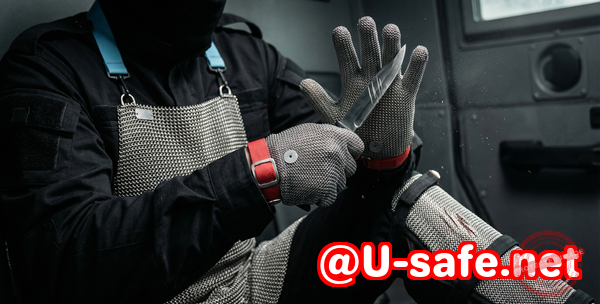
Common Pain Points When Evaluating Chainmail
Many buyers run into a few typical pain points when it comes to chainmail, especially when they’re not familiar with how it’s made and used. Let’s dive into some of these issues:
-
Welded vs. Open Rings: This is one of the most common issues I see. Open rings are cheaper and often used in decorative or cosplay chainmail, but they’re not nearly as durable or safe as welded rings. They can be prone to coming undone, leaving you unprotected.
-
Corrosion Concerns: Not all stainless steel is created equal. Many buyers aren’t sure if they’re looking at high-quality stainless steel (like 304 or 316) that resists corrosion, or something that will rust after just a few uses.
-
Weak Weaves: The quality of the weave pattern is another factor that often gets overlooked. Whether you’re using chainmail for industrial protection or as a decorative item, the integrity of the weavelike the popular European 4-in-1is essential for strength and durability.
But fear not! With a little knowledge, you can easily evaluate chainmail and avoid these common pitfalls.
Step-by-Step Guide to Inspecting Chainmail Quality
Before you purchase, here’s what you need to know and look for when evaluating chainmail.
1. Check the Material: 304 vs 316 Stainless Steel
The first thing you should always check is the material. Stainless steel is often used in chainmail due to its durability and resistance to corrosion, but not all stainless steel is the same. There are two main grades: 304 and 316.
-
304 Stainless Steel: This is the most common stainless steel used in chainmail. It’s rust-resistant and works well for most applications, such as decorative chainmail or cosplay.
-
316 Stainless Steel: If you’re using chainmail for industrial or food-handling purposes, 316 stainless steel is the better choice. It offers superior corrosion resistance, making it ideal for environments where moisture or harsh chemicals might be present.
Tip: Always ask the seller what grade of stainless steel is used in the chainmail. You’ll want to avoid using 304-grade stainless steel in environments where high corrosion resistance is required.
2. Inspect the Ring Welding or Weaving
Next, let’s talk about the construction of the rings themselves. You’ll typically find two types of rings: welded and open.
-
Welded Rings: These are the best for durability and strength. They’re permanently closed, ensuring that the weave remains intact and that the chainmail holds up over time.
-
Open Rings: These are usually cheaper but not as reliable. They can come undone over time, especially under stress. You’ll often see open rings in decorative or cosplay chainmail, but I wouldn’t recommend them for industrial or protective uses.
Tip: When inspecting chainmail, check each ring. If it’s welded, you’ll see a slight seam where the two ends of the wire have been fused together. If the ring is open, you’ll see a small gap where the ends don’t meet. If in doubt, perform a quick pull test (more on that below).
3. Evaluate the Ring Thickness and Inner Diameter
Ring thickness and inner diameter play a huge role in determining the overall strength of the chainmail. Thin rings and large inner diameters often result in a less durable product.
-
Wire Thickness: Thicker wire generally means more durability, especially for protective or industrial chainmail. A thinner wire may not hold up well under stress and might be more prone to breaking.
-
Inner Diameter: The size of the hole inside each ring matters too. A larger inner diameter can weaken the structure of the chainmail, while a smaller diameter ensures the weave is tight and resilient.
Tip: When inspecting a piece, try to measure the thickness of the wire and the inner diameter of the rings. A good rule of thumb is that thicker rings and smaller inner diameters offer more strength, especially if you plan to use the chainmail for protection.
4. Check the Weave Pattern (European 4-in-1)
The weave pattern plays a big role in the overall strength and functionality of the chainmail. For industrial or protective use, the weave pattern should be dense and tight, as this enhances durability.
-
European 4-in-1 Weave: This is the most common and strongest weave pattern for chainmail. It involves four rings woven into one central ring, creating a tight and resilient weave. You’ll often see this pattern in both protective and historical chainmail.
Tip: Run your fingers over the chainmail. If it feels loose or floppy, it’s a sign that the weave might not be tight enough for protection. A high-quality chainmail will feel sturdy and resilient, like a solid piece of armor.
5. Conduct a Simple Pull Test
If you’re unsure about the quality of the chainmail, don’t hesitate to perform a quick pull test. Gently tug on the rings to see if any come loose. If a ring pulls apart or feels weak, that’s a clear sign the chainmail isn’t of high quality.
Tip: Do the pull test in several places, checking random rings in the weave. If you find any that feel fragile or come apart easily, move on to a different piece.
6. Look for Signs of Corrosion or Wear
Finally, you’ll want to check for signs of corrosion or wear. If you notice any rust, pitting, or discoloration on the steel, it’s a red flag. This can be especially problematic for chainmail used in industrial or food-processing environments, where hygiene and corrosion resistance are key.
Tip: A good piece of chainmail should be free from rust and corrosion. If you’re buying online and can’t physically inspect the product, ask the seller for clear images of the chainmail from multiple angles.
Why Chainmail Inspection is Crucial
Now that you know how to evaluate chainmail for quality, let’s talk about why this process is so important.
-
Safety: If you’re using chainmail for industrial purposes, you don’t want to risk wearing subpar chainmail that could fail in a critical situation. By inspecting the weave, welding, and materials, you can be confident that your chainmail will provide the protection you need.
-
Durability: High-quality chainmail will last longer and stand up to more wear and tear. Whether you’re in a rough work environment or you need something that will withstand the test of time for a historical reenactment, investing in well-made chainmail is always worth it.
-
Money Saving: It might seem like a bargain to buy cheap chainmail, but it could end up costing you more in the long run if it breaks or fails. Investing in quality chainmail ensures you’re getting your money’s worth.
Conclusion: My Recommendations for Chainmail Quality
In conclusion, chainmail is an investment, and it’s essential to know how to evaluate its quality before you make a purchase. By checking the material, inspecting the rings, evaluating the weave, and conducting simple tests, you can confidently identify high-quality chainmail that meets your needs. Whether for industrial protection, cosplay, or historical purposes, following these steps will help you avoid unsafe purchases and save money.
I highly recommend following these steps to ensure that your chainmail purchase meets the necessary safety and durability standards. If you’re ready to start your inspection journey, or if you want to learn more about identifying high-quality chainmail products, check out our detailed guide today at Aegimesh Chainmail Inspection Guide.
FAQ
-
How can I tell if a chainmail ring is welded or open?
Look for a seam on the ring. If the ends of the wire are fused together, it’s a welded ring. If you see a small gap, it’s an open ring.
-
Which stainless steel grade is best for long-lasting chainmail?
316 stainless steel offers superior corrosion resistance, making it ideal for industrial and food-handling applications. 304 stainless steel is good for decorative uses.
-
How do I inspect the weave pattern for strength?
Check if the weave is tight and uniform. The European 4-in-1 weave is the most durable and effective for strength and protection.
-
What are the signs of low-quality or unsafe chainmail?
Signs include loose rings, rust or corrosion, thin wire, or inconsistent weave patterns. Always perform a pull test to ensure durability.
-
Can decorative chainmail be used for protective purposes?
Decorative chainmail made with open rings and thinner wire is not suitable for protection. For safety, always choose welded rings and thicker wire.
-
How do I choose the right chainmail for industrial vs cosplay use?
For industrial





 한국어
한국어  Русский
  العربية