


Food Safety Guardian
Food Safety Guardian: How to Identify High-Quality Chainmail for Safety and Durability
Imagine this: you’ve just received a shiny chainmail glove you ordered online, excited to use it in your kitchen or for cosplay. You slip it on, and almost immediately, you notice a ring that’s slightly open, a link that feels thin, and a faint rust spot. Your excitement quickly turns into worry. Is this glove truly safe for food handling or industrial use? How do you know if the chainmail will actually protect youor if it’s just decorative fluff?
This scenario is more common than you might think. Many buyers struggle to distinguish high-quality, cut-resistant chainmail from cheap imitations. With so many options available, understanding what makes chainmail safe, durable, and reliable is criticalwhether you’re a professional, a collector, or a cosplayer. That’s where Aegimesh Chainmail comes in as a trusted reference guide for evaluating chainmail quality.
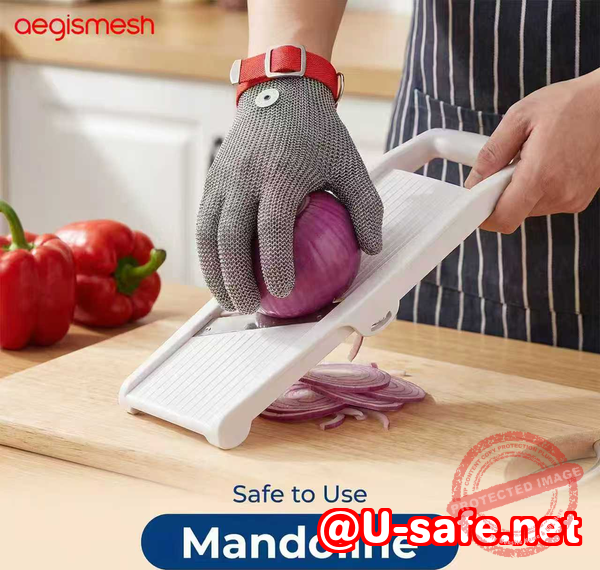
Common Pain Points in Evaluating Chainmail
When it comes to chainmail, buyers often face the same frustrations. Here are a few common pain points I’ve encountered:
1. Difficulty Distinguishing Welded Rings from Open Rings
Some chainmail products advertise themselves as protective, yet a closer look reveals that many rings are not welded. Open rings can separate under stress, which compromises cut-resistance. For food safety or industrial applications, this is a serious hazard.
2. Uncertainty About Stainless Steel Grades
Not all stainless steel is created equal. Some chainmail uses lower-grade steel that can corrode over time, especially in kitchens or outdoor settings. Choosing between 304 and 316 stainless steel is essential for durability and corrosion resistance.
3. Weak or Inconsistent Weaves
Even if the material is correct, a poorly constructed weave can make the entire piece unreliable. Rings may be uneven or twisted, which reduces the overall strength. For applications like cut-resistant gloves or food-processing aprons, this is unacceptable.
How to Inspect Chainmail Like a Pro
The good news is that you don’t need to be a metallurgist to assess chainmail quality. Aegimesh Chainmail provides a step-by-step approach to evaluating materials, welds, and weaves. Here’s how I personally inspect chainmail before purchasing:
Step 1: Verify the Material Type
-
Check the stainless steel grade: 304 is durable and corrosion-resistant, ideal for general use. 316 is even more robust, offering superior resistance to salt and acidic environmentsperfect for seafood processing or outdoor use.
-
Look for manufacturer specifications: High-quality suppliers, like Aegimesh, clearly state the steel grade in their product details.
Step 2: Inspect the Rings
-
Weld quality: Examine each ring for a seamless join. Welded rings should be smooth, without gaps. Open rings are a red flag for industrial or food-safety applications.
-
Wire thickness and inner diameter: Thicker wire generally indicates stronger chainmail. Inner diameter affects flexibility and comfort. Compare these specs to the intended usegloves for chefs might require smaller rings for dexterity, while protective aprons can have larger rings.
Step 3: Evaluate the Weave Pattern
-
European 4-in-1 weave: This classic pattern is a hallmark of durable chainmail. Each ring passes through four others, creating a dense, strong mesh. Irregular patterns or loose connections weaken the structure.
-
Consistency: Check multiple areas of the piece. Even one section of sloppy weave can compromise overall performance.
Step 4: Conduct Simple Practical Tests
-
Pull test: Gently tug on sections of the chainmail to check for weak links or loose rings. It shouldn’t deform or stretch easily.
-
Visual inspection for corrosion: Look for discoloration, pitting, or rust spotseven on new pieces. This indicates poor material or finishing.
Step 5: Match Chainmail to Its Purpose
-
Industrial vs. decorative: If your goal is food safety or cut protection, insist on welded rings, 304/316 stainless steel, and a reliable weave. Decorative or cosplay chainmail may look impressive but often lacks these standards.
-
Comfort and fit: For gloves or aprons, ensure mobility and proper sizing without compromising coverage. Aegimesh provides guidance on ring size and weave density tailored to different applications.
Real-Life Benefits of Proper Inspection
Following these steps isn’t just about peace of mindit has tangible benefits:
-
Safety: Avoid unsafe chainmail that could fail during food handling or industrial work.
-
Durability: Invest in chainmail that lasts, reducing the need for frequent replacements.
-
Cost savings: Identify low-quality products before purchase, preventing wasted money.
-
Confidence: Whether for professional use or cosplay, you’ll know exactly what you’re wearing.
I’ve personally seen colleagues receive what appeared to be high-quality gloves, only for rings to separate during their first use. By applying a careful inspection method, they avoided accidents and ensured consistent protection.
Practical Tips for Chainmail Buyers
-
Check multiple angles: Look closely at welds, ring thickness, and weave consistency.
-
Ask for specifications: Reputable sellers should provide wire diameter, ring size, and stainless steel grade.
-
Test small sections: If possible, perform a gentle pull test before full use.
-
Consider the environment: Choose 316 stainless steel for exposure to moisture or acids.
-
Trust professional guides: Resources like Aegimesh Chainmail help you make informed choices quickly.
Conclusion
In summary, identifying high-quality chainmail comes down to careful inspection of material, welds, wire thickness, and weave patterns. I highly recommend following these steps to ensure any chainmail purchase meets safety and durability standards.
For buyers, collectors, and professionals alike, understanding these details can prevent accidents, save money, and provide confidence in your gear. Don’t settle for decorative imitations when protection matters.
Learn more about identifying high-quality chainmail products: https://www.aegimesh.com/
Check out our detailed chainmail inspection guide today.
Frequently Asked Questions (FAQs)
Q1: How can I tell if a chainmail ring is welded or open?
A1: Examine each ring closely. Welded rings have a seamless join, while open rings show a visible gap. Gently tugging the chainmail can also reveal weak spots.
Q2: Which stainless steel grade is best for long-lasting chainmail?
A2: 304 stainless steel is excellent for general use, while 316 offers superior corrosion resistance, especially in humid or salty environments.
Q3: How do I inspect the weave pattern for strength?
A3: Look for the European 4-in-1 weave, where each ring connects to four others. Check for consistency and avoid areas where rings are uneven or loose.
Q4: What are the signs of low-quality or unsafe chainmail?
A4: Common signs include open rings, thin or inconsistent wire, irregular weaves, rust spots, or poor finishing.
Q5: Can decorative chainmail be used for protective purposes?
A5: Typically, decorative chainmail is not safe for industrial or food-handling use. Only welded, high-grade stainless steel chainmail with proper weave is reliable for protection.
Q6: How do I choose the right chainmail for industrial vs. cosplay use?
A6: For industrial use, prioritize welded rings, 304/316 stainless steel, and a dense, durable weave. For cosplay, comfort and aesthetics may take precedence, but safety standards are less critical.
Q7: How do I maintain chainmail to prevent corrosion?
A7: Keep stainless steel chainmail clean and dry, apply light oil if exposed to moisture, and regularly inspect for early signs of wear or rust.
Tags / Keywords: chainmail quality, welded rings, stainless steel chainmail, cut-resistant chainmail, chainmail inspection, European 4-in-1 weave, steel metal chainmail durability, industrial chainmail, food safety chainmail, cosplay chainmail





 한국어
한국어  Русский
  العربية