


Is Ring Mesh the Right Choice for Your Mesh Boning Apron
Is Ring Mesh the Right Choice for Your Mesh Boning Apron?
When you’re shopping for a mesh boning apron, whether for industrial use or cosplay, finding the right material is crucial. Chainmail often comes to mind as a durable and protective solution, but with so many options available, how can you be sure you’re choosing a high-quality product? Is ring mesh the right choice? How do you distinguish between the different types of chainmail, ensuring you’re not only getting a functional piece but one that will last?
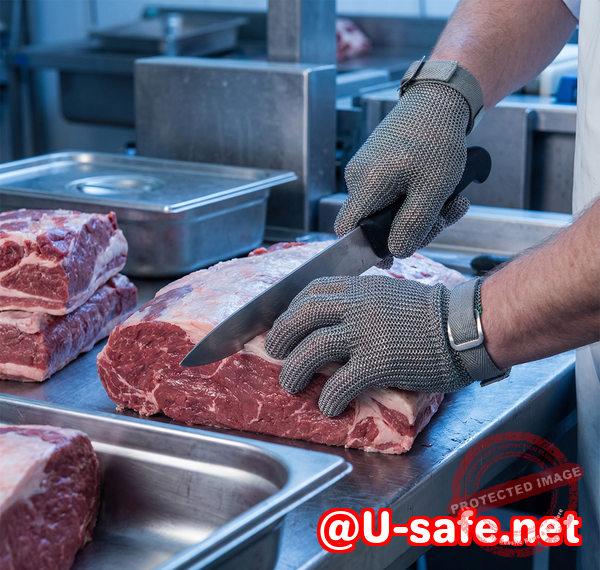
For years, buyers, collectors, and professionals have faced similar dilemmas. The market is flooded with options that claim to offer protection, but not all chainmail is created equal. Poorly crafted chainmail can lead to safety hazards in industrial or food processing environments, while decorative chainmail may not hold up to the demands of protection. So, how do you identify chainmail that will stand the test of time, both in strength and reliability? Let’s explore some real-world challenges and offer practical guidance on how to evaluate the quality of your next chainmail purchase.
Common Challenges When Evaluating Chainmail Quality
When it comes to evaluating chainmail, there are several pain points that can cause confusion for buyers. These challenges often stem from the inability to differentiate between low-quality and high-quality products. Let’s break down the most common issues:
1. Distinguishing Welded Rings from Open Rings
One of the most common mistakes is assuming that all chainmail is made from welded rings. Open ringsthose that aren’t fused togethercan be weaker and more prone to coming apart. This is particularly concerning in industrial or food handling environments, where safety and durability are critical. However, welded rings, when done correctly, create a much stronger and more reliable weave.
2. Uncertainty about Stainless Steel Grades
Not all stainless steel is the same. While 304 stainless steel is more common and more affordable, 316 stainless steel offers better corrosion resistance, making it ideal for use in harsher environments like food processing or outdoor use. But how do you know which one you’re getting?
3. Weave Weaknesses and Inconsistent Craftsmanship
Chainmail is all about the weave. If the rings are improperly interlocked or the pattern is inconsistent, it can severely weaken the overall structure. The classic European 4-in-1 weave is known for its durability and strength, but not all chainmail is made using this pattern. The absence of a solid, consistent weave can lead to structural failure over time.
How to Inspect and Verify Chainmail Quality
Identifying quality chainmail can feel overwhelming, but once you understand the key inspection methods, it becomes much easier. Here are the top things to check when evaluating chainmail for your mesh boning apron or other uses:
1. Material Quality: Stainless Steel Grades
-
304 Stainless Steel: This grade is commonly used for decorative purposes and lighter industrial applications. It’s more affordable but less resistant to corrosion.
-
316 Stainless Steel: This is the higher-end option, resistant to rust and corrosion, even in saltwater environments. It’s a better choice for harsh industrial environments, food processing, and situations where longevity is key.
2. Inspect the Ring Welding
Welded rings are essential for durability, especially in industrial and protective settings. Here’s how to inspect them:
-
Look for Smooth Welding: A good weld should be smooth and uniform. If the weld is rough or uneven, it could break under pressure.
-
Check for Gaps: Any visible gap in the ring indicates poor welding, which will compromise the strength of the chainmail.
3. Ring Thickness and Diameter
Thicker rings offer greater strength. The ring diameter, on the other hand, affects the flexibility and overall durability of the chainmail. Here’s how to check:
-
Use a Caliper: A simple caliper can help you measure the thickness of each ring. Thicker rings will add more strength but can make the weave stiffer.
-
Measure the Inner Diameter: The inner diameter of the rings also affects how tight the weave is, and whether it will hold up under stress.
4. Weave Patterns: The European 4-in-1 Weave
The classic European 4-in-1 weave is one of the strongest and most widely used patterns. Here’s why:
-
Strong and Flexible: The 4-in-1 pattern distributes the load evenly across the rings, offering both strength and flexibility.
-
Durability Test: To test the durability, you can apply a light pull to the weave. If it feels loose or if the rings separate easily, the quality is lacking.
How to Avoid Low-Quality Chainmail
Buying chainmail can be a significant investment, so you want to make sure you’re getting your money’s worth. Here are a few practical tips to ensure you avoid low-quality chainmail:
1. Perform a Simple Pull Test
To check the durability of the chainmail, perform a simple pull test. Grab a section of the weave and gently pull on it. High-quality chainmail will resist being pulled apart and will retain its shape, while low-quality chainmail will stretch or tear easily.
2. Look for Signs of Corrosion or Rust
Corrosion is a telltale sign of poor material quality, and it can appear quickly if the chainmail isn’t made from stainless steel or has been poorly treated. If you notice any discoloration or rust, it’s time to look for a higher-quality product.
3. Examine the Craftsmanship
Take a close look at the overall craftsmanship. Are the rings perfectly round? Are they welded properly? Is the weave tight and consistent? High-quality chainmail will exhibit neat, even rings and tight, flawless weave patterns.
Industrial vs. Cosplay Chainmail: Choosing the Right Type
When it comes to chainmail, there’s a significant difference between the industrial variety and what you’d use for cosplay or decorative purposes. Here’s what to keep in mind when choosing the right chainmail for your needs:
Industrial Use (Cut-Resistant Chainmail)
-
Material: Opt for 316 stainless steel or similar high-quality, corrosion-resistant material.
-
Weave: Look for European 4-in-1 or 6-in-1 weaves for maximum protection.
-
Welding: Ensure that the rings are welded, not just linked, for added strength.
Cosplay or Decorative Use
-
Material: You can often get away with 304 stainless steel or aluminum for lighter applications.
-
Weave: While European 4-in-1 is still a great choice, lighter weaves such as 2-in-1 or 3-in-1 may be more appropriate.
-
Welding: For decorative purposes, non-welded rings might be acceptable, but for any functional use, welded is a must.
Conclusion
Choosing the right chainmail for your mesh boning apron doesn’t have to be difficult. With a bit of know-how, you can easily assess quality and ensure your purchase meets the durability and safety standards you need. Remember, always inspect the material, welding, wire thickness, and weave pattern to confirm you’re getting high-quality chainmail.
I highly recommend following these steps to ensure any chainmail purchase meets safety and durability standards. Whether for industrial use, food processing, cosplay, or historical replicas, these tips will help you make an informed choice.
Learn more about identifying high-quality chainmail products: Aegimesh Chainmail Guide
Check out our detailed chainmail inspection guide today.
FAQ
1. How can I tell if a chainmail ring is welded or open?
Look closely at the ring. A welded ring will have a visible seam where the ends of the ring are fused together, while an open ring will have a gap.
2. Which stainless steel grade is best for long-lasting chainmail?
For maximum durability and corrosion resistance, 316 stainless steel is the best choice. It holds up well in harsh conditions, unlike 304 stainless steel, which is more prone to rust.
3. How do I inspect the weave pattern for strength?
Examine the interlocking rings. A strong pattern, such as European 4-in-1, will be tight and uniform. If the weave is loose or uneven, it’s a sign of poor quality.
4. What are the signs of low-quality or unsafe chainmail?
Look for visible gaps in the rings, inconsistent welding, or weak, uneven weaves. Corrosion or rust is also a major indicator of low-quality materials.
5. Can decorative chainmail be used for protective purposes?
While decorative chainmail may look nice, it’s usually made with open rings or weaker materials. For safety and protection, ensure that your chainmail is made with welded rings and durable stainless steel.
6. How do I choose the right chainmail for industrial vs cosplay use?
For industrial uses, focus on welded 316 stainless steel with strong weaves like 4-in-1 or 6-in-1. For cosplay, lighter options such as 304 stainless steel or aluminum may suffice, with looser weaves being acceptable for decoration.
Tags/Keywords
-
chainmail quality
-
welded rings
-
stainless steel chainmail
-
cut-resistant chainmail
-
chainmail inspection
-
European 4-in-1 weave





 한국어
한국어  Русский
  العربية