


The Pros and Cons of Using Ring Mesh and Chainmail in Medieval Armor
The Pros and Cons of Using Ring Mesh and Chainmail in Medieval Armor
When it comes to choosing the right protective gearwhether for cosplay, historical reenactment, or industrial safetythe quality of your chainmail can make a huge difference. But how do you tell if a piece of chainmail is high-quality or if you’re about to invest in something that might fall apart after a few uses? With so many options available, it’s not always easy to know what to look for, especially if you’re unfamiliar with the technical details.
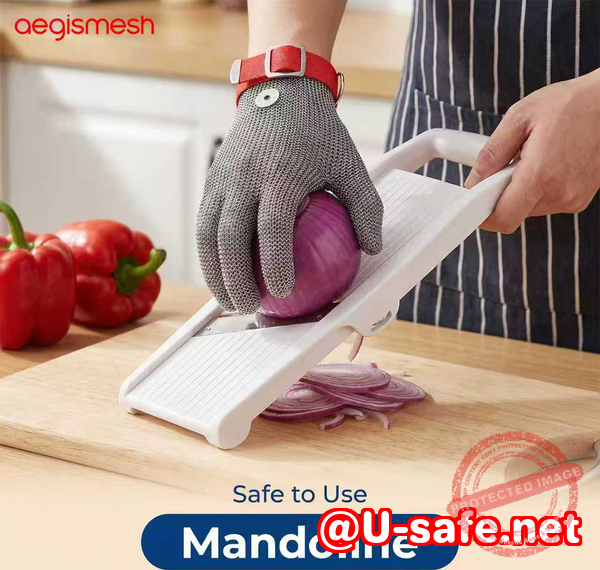
In this post, I’ll walk you through the ins and outs of chainmail quality, helping you make smarter purchases and ensuring that your gearwhether it’s for a medieval costume or industrial cut protectionis durable, safe, and up to the task.
Let’s dive into the pros and cons of using ring mesh and chainmail, and how to assess their true quality.
Why Chainmail?
Chainmail, a type of armor made from interlocking metal rings, has been around for centuries. It was once the protective gear of choice for knights, warriors, and soldiers across the globe. Today, it’s used in a variety of fieldsanything from historical replicas to food processing, to cosplay and industrial safety.
The material’s charm lies in its ability to distribute force evenly across its surface, making it incredibly resistant to cuts, scrapes, and impacts. In the right situation, it offers a unique blend of flexibility, strength, and durability that no other material can match. However, not all chainmail is created equal, and this is where most buyers run into problems.
Common Problems When Buying Chainmail
When purchasing chainmail, whether for a Renaissance fair, a reenactment, or safety gear, a common issue many buyers face is distinguishing between quality and low-quality options. How can you tell if a piece of chainmail is made of high-quality materials, or if it’s just a cheap, decorative imitation? Unfortunately, many products on the market may look the part but won’t stand up to real use.
Some of the biggest pain points buyers experience include:
-
Weak rings or poor welding: A chainmail product might appear robust, but if the rings aren’t welded properly, the entire piece is compromised.
-
Subpar materials: Not all stainless steel is equal304 stainless steel is prone to corrosion, while 316 stainless steel offers much better resistance. Using the wrong grade can lead to a shorter lifespan.
-
Inconsistent or poor weave patterns: The strength of chainmail depends on its weave. If the weave isn’t tight or even, the armor won’t provide adequate protection.
So, how do you avoid these pitfalls?
How to Inspect and Choose High-Quality Chainmail
When it comes to chainmail, knowledge is power. The best way to avoid poor-quality purchases is to inspect the product closely. Let’s go over some key tips and techniques to assess chainmail, whether you’re looking for medieval armor, cosplay accessories, or industrial safety wear.
1. Material Quality
The first thing you’ll want to look at is the material. Not all chainmail is made from the same grade of metal, and this is one area where it’s easy to fall for an imitation.
-
304 Stainless Steel: Commonly used but is more prone to corrosion when exposed to moisture and harsh environments. If you’re using chainmail in food processing, or if it’s exposed to water, you’ll want to avoid this grade.
-
316 Stainless Steel: Offers superior corrosion resistance and is ideal for high-quality, long-lasting chainmail. This is your best bet for both industrial use and cosplay.
I always recommend using 316 stainless steel when durability matterswhether it’s for safety gear or historical replicas. If you’re unsure about which material your chainmail is made from, don’t hesitate to ask the seller.
2. Ring Welding and Integrity
One of the most important factors in determining the quality of chainmail is how the rings are constructed. You’ll generally find two types of rings: open and welded.
-
Welded Rings: These are rings that have been welded shut, ensuring that they stay intact even under stress. High-quality chainmail should have welded rings. This is a key sign of durability, especially if the chainmail will be subjected to heavy use.
-
Open Rings: These rings are simply interlocked, which can lead to the rings pulling apart over time. It’s important to avoid chainmail with open rings if it’s meant for protection or anything other than display purposes.
If you can, check the integrity of the welds on the chainmail. A simple tug test can often reveal if a weld is weak or poorly done.
3. Wire Thickness and Ring Diameter
The wire thickness and inner diameter of the rings also play a huge role in the strength of chainmail. Here’s how you can evaluate these elements:
-
Wire Thickness: The thicker the wire, the stronger the chainmail. When inspecting chainmail, look for a wire thickness that feels solid in your hand. You can also use calipers to measure the wire thickness if you want to be precise.
-
Ring Diameter: The diameter of each ring determines the flexibility and strength of the weave. Larger rings can be weaker but offer more flexibility, while smaller rings tend to be stronger but less flexible. The European 4-in-1 weave pattern is a popular choice for strength and durability in chainmail. This weave is both tight and flexible, offering a good balance for armor.
For both industrial applications and historical reenactment, I recommend looking for smaller ring diameters with a strong, tight weave.
4. Weave Pattern
The type of weave used in chainmail plays a critical role in how it holds up under stress. There are a few key patterns to look out for:
-
European 4-in-1 Weave: This is the traditional pattern used in medieval armor, offering a good balance of flexibility and strength. If you’re purchasing chainmail for protection, look for this weave patternit’s known for its durability.
-
Other Weaves: There are several other patterns used in chainmail, such as 6-in-1 and 8-in-1, but they tend to be less common and more specialized.
If you’re unsure, always ask the seller for details on the weave pattern used. It can make all the difference when it comes to strength.
Key Benefits of Inspecting Chainmail
So, why go through all the trouble of inspecting chainmail? Here are some key benefits of performing these checks:
-
Avoid Unsafe Purchases: When you know what to look for, you can avoid buying chainmail that’s weak, poorly made, or unsafe for industrial or food-processing use.
-
Ensure Durability: Properly inspecting the material, welds, and weave patterns ensures that your chainmail will last as long as you need it towhether it’s for cosplay, historical purposes, or safety.
-
Save Money: By identifying low-quality chainmail early, you can avoid spending money on something that won’t meet your needs.
Conclusion: Don’t Settle for Low-Quality Chainmail
In conclusion, whether you’re looking for chainmail for cosplay, historical reenactment, or industrial use, it’s crucial to understand how to assess its quality. By paying attention to the material, welds, wire thickness, and weave pattern, you can ensure that you’re getting a product that will last and serve its intended purpose.
I highly recommend following these inspection steps to avoid poor purchases and ensure you get the durability and safety you need. It’s worth the extra effort to make sure your chainmail is up to the taskwhether that’s for protecting yourself in a medieval battle or ensuring that your industrial gear holds up under the toughest conditions.
Learn more about identifying high-quality chainmail products: Aegimesh Chainmail
FAQ
1. How can I tell if a chainmail ring is welded or open?
To check, gently pull at a ring. If it stays intact, it’s welded. If the ends separate, it’s an open ring.
2. Which stainless steel grade is best for long-lasting chainmail?
316 stainless steel is ideal for durability and corrosion resistance, especially for industrial or food-handling use.
3. How do I inspect the weave pattern for strength?
Look for a tight, even pattern, such as the European 4-in-1 weave. A well-executed weave adds significant strength.
4. What are the signs of low-quality or unsafe chainmail?
Weak welds, inconsistent rings, and poor materials (like low-grade steel) are all signs of low-quality chainmail.
5. Can decorative chainmail be used for protective purposes?
Decorative chainmail might look good, but it’s generally not made with durable materials or strong welds, so it’s not suitable for protective purposes.
6. How do I choose the right chainmail for industrial vs cosplay use?
For industrial use, prioritize high-quality, welded rings and corrosion-resistant materials like 316 stainless steel. For cosplay, aesthetics and comfort may be more important, but you should still look for well-made, durable options.





 한국어
한국어  Русский
  العربية