


Steel Metal Chainmail Maintenance for Industrial Buyers
Steel Metal Chainmail Maintenance for Industrial Buyers
When you’re in the market for chainmailwhether it’s for industrial safety, cosplay, or a historical projectchoosing the right product can feel overwhelming. Not all chainmail is created equal. Imagine you’re working on a construction site, and you need chainmail to protect your hands from sharp objects. You might stumble upon a product that looks good at first glance, but when you take a closer look, you realize it’s fragile and doesn’t offer the protection you need. That’s where knowing how to properly evaluate chainmail quality can make a huge difference.
In this guide, I’ll walk you through how to inspect and evaluate chainmail to ensure you’re getting a product that is durable, safe, and well-suited for its intended purpose. Whether you’re buying chainmail for industrial cut protection, food processing, cosplay, or historical replicas, these tips will help you make informed decisions that protect your investmentand your safety.
Common Challenges When Buying Chainmail
Before diving into the inspection methods, let’s talk about a few common challenges buyers face when trying to identify high-quality chainmail.
-
Welded vs. Open Rings
It’s easy to get confused by different ring types. Open rings are more affordable but not as durable or safe. Welded rings, on the other hand, provide better durability and protection but come with a higher price tag. Knowing the difference is crucial when evaluating chainmail, especially if you need it for industrial or safety applications.
-
Stainless Steel Grades
Stainless steel is the most common material used in chainmail. However, not all stainless steel is the same. The two most common grades used in chainmail are 304 and 316 stainless steel. The difference in grade affects the chainmail’s resistance to corrosion, especially in environments like food processing or marine industries.
-
Weave Patterns and Strength
Chainmail weave patterns affect the overall strength and durability of the product. Some weaves, like the European 4-in-1, are known for their strength, while others may be more decorative but less durable. Understanding the weave pattern is essential when you need chainmail for protection or heavy use.
At Aegimesh, we’ve designed an easy-to-use guide and inspection tool to help you address these challenges. Let’s break down how to inspect chainmail to ensure it’s high-quality and right for your needs.
Step-by-Step Guide for Evaluating Chainmail Quality
1. Check the Material: 304 vs. 316 Stainless Steel
The first thing you should inspect is the material. When buying chainmail, make sure it’s made from either 304 or 316 stainless steel. These two grades are the most common and offer the best durability. Here’s a quick comparison:
-
304 Stainless Steel:
This is the most common grade used in chainmail. It’s resistant to corrosion but may not stand up as well to saltwater or extreme environments. It’s ideal for general industrial use or cosplay.
-
316 Stainless Steel:
Known for its superior corrosion resistance, 316 stainless steel is ideal for food processing, marine, or other environments exposed to moisture or chemicals. It’s a little more expensive but offers greater longevity.
To check the grade of stainless steel, ask the supplier for certification or look for any signs on the packaging. If you’re unsure, a simple magnet test can help: 304 is non-magnetic, while 316 is slightly magnetic.
2. Inspect the Ring Welding
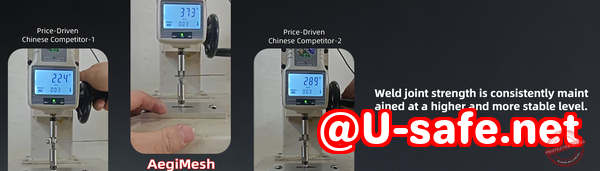
One of the easiest ways to evaluate chainmail quality is by looking at the rings themselves. Quality chainmail uses welded rings, which are stronger and more secure than open rings. Open rings can be pulled apart easily, which is unsafe for industrial or protective purposes.
Here’s how you can spot welded rings:
-
Welded Rings: These are rings where the ends are fused together to form a solid loop. The welding point is often smooth and seamless.
-
Open Rings: These are simply bent to form a loop and may be visible at the ends. They are weaker and prone to breaking over time.
For industrial purposes, welded rings are a must for ensuring the chainmail will withstand the rigors of daily use.
3. Evaluate the Wire Thickness and Inner Diameter
Chainmail’s strength largely depends on the thickness of the wire and the inner diameter of the rings. For industrial use, you want thicker wires and smaller inner diameters to prevent the rings from opening or slipping out of place under stress.
-
Wire Thickness: The thicker the wire, the stronger the chainmail. For industrial or protective uses, look for wire thickness between 14 and 16 gauge. Thin wires (18 gauge or higher) are suitable for decorative purposes but won’t hold up under heavy use.
-
Inner Diameter: The inner diameter of the rings affects how closely the rings fit together. The smaller the diameter, the better the chainmail will resist damage from abrasions or cuts. Ideally, the rings should be tightly packed to prevent them from slipping apart.
4. Assess the Weave Pattern
The weave pattern is another key factor in determining the strength of the chainmail. One of the most robust and commonly used patterns is European 4-in-1. Here’s why it’s important:
-
European 4-in-1 Weave: In this weave, each ring is passed through four other rings, creating a sturdy and interlocking pattern. This provides excellent cut resistance and overall durability, making it ideal for industrial use and personal protective equipment.
-
Other Weave Patterns: Some chainmail weaves, like 6-in-1 or 8-in-1, may be even stronger but may be heavier and less flexible. Decorative patterns like the 4-in-2 weave are visually appealing but may not provide the same protection or durability.
When inspecting chainmail, look for a tightly interwoven pattern with minimal gaps between the rings. Any unevenness could be a sign of poor craftsmanship, which can compromise safety.
5. Perform a Simple Pull Test
A quick and easy way to test chainmail’s durability is by doing a pull test. Here’s how you can do it:
-
Take a small section of the chainmail and apply some pressure to the rings by pulling them apart gently.
-
High-quality chainmail should resist separation. If the rings pull apart or bend easily, it’s a sign that the product is poorly made and not suitable for industrial or protective use.
This simple test can save you from buying low-quality chainmail that might fail under real-world conditions.
6. Look for Signs of Corrosion or Poor Craftsmanship
Another important factor to consider is corrosion. If the chainmail shows any signs of rust or pitting, it’s likely to degrade quickly, especially if exposed to moisture or chemicals. Corrosion is a sign that the material is not up to standard or that the product has been poorly maintained.
Signs of poor craftsmanship can include:
-
Inconsistent ring sizes or shapes
-
Rings that aren’t welded properly
-
Loose or weak sections in the weave
If you notice any of these signs, it’s best to steer clear of that product.
7. Consider the Intended Use
Finally, always keep the intended use in mind when choosing chainmail. Industrial use, food handling, and cosplay all have different requirements:
-
Industrial Cut Protection: Look for chainmail with welded rings, thicker wire, and tight weaves like European 4-in-1.
-
Food Processing: Opt for corrosion-resistant 316 stainless steel to avoid contamination and ensure hygiene.
-
Cosplay/Decorative Use: Lighter, more decorative chainmail with open rings or thinner wire can be more suitable for costume use.
By understanding these different requirements, you can choose the right chainmail for the job.
Conclusion: The Importance of Quality Inspection
When it comes to chainmail, quality matters. Whether you’re using it for industrial cut protection, cosplay, or historical reenactments, ensuring you’re buying a durable and safe product is crucial. By following the steps outlined in this guide, you’ll be able to confidently evaluate chainmail and avoid low-quality products that may not meet your needs.
I highly recommend following these steps to ensure any chainmail purchase meets safety and durability standards. If you’re in doubt, check out our detailed chainmail inspection guide for more information.
FAQ
-
How can I tell if a chainmail ring is welded or open?
Check the ends of the rings. Welded rings will have a smooth, seamless weld, while open rings will show a visible gap.
-
Which stainless steel grade is best for long-lasting chainmail?
For long-lasting durability, especially in corrosive environments, 316 stainless steel is the best choice. It’s more resistant to rust and corrosion than 304 stainless steel.
-
How do I inspect the weave pattern for strength?
Look for a tight, interlocking pattern. The European 4-in-1 weave is one of the strongest and most reliable patterns for industrial use.
-
What are the signs of low-quality or unsafe chainmail?
Poor welding, inconsistent ring sizes, visible corrosion, and weak weaves are all signs of low-quality chainmail.
-
Can decorative chainmail be used for protective purposes?
While decorative chainmail may look appealing, it’s generally not suitable for protection. For safety, choose chainmail with welded rings, thick wire, and a sturdy weave pattern.
-
How do I choose the right chainmail for industrial vs. cosplay use?
For industrial use, prioritize durability, welded rings, and corrosion-resistant materials like 316 stainless steel. For





 한국어
한국어  Русский
  العربية