


How EN 1082 Protects Against High-Risk Industrial Accidents
How EN 1082 Protects Against High-Risk Industrial Accidents
When purchasing chainmail for protection or display, I often struggle to know which products are genuinely high-quality. It’s a common problem for many buyers: the market is full of options, but not all chainmail products are created equal. As someone who values safety and durability, it’s essential to make sure that what you buy is not only visually appealing but also reliable in protecting you or your workers from harm.
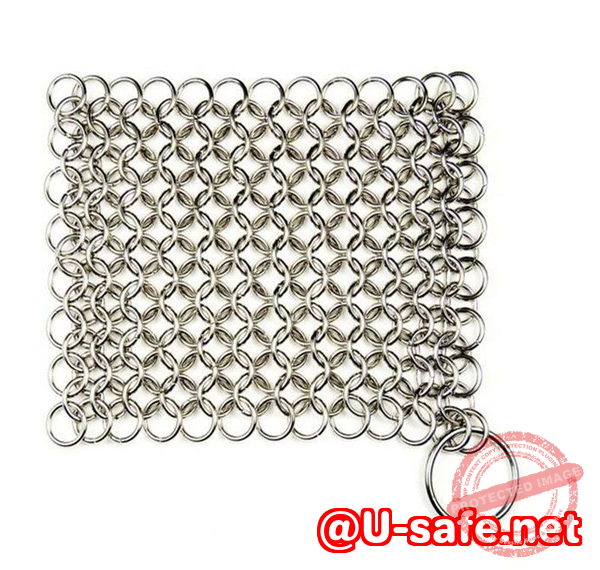
In industrial settings, the need for reliable protection is even more critical. Chainmail can be a life-saving safeguard, especially in high-risk environments like food processing or construction, where sharp tools and machinery are prevalent. That’s where understanding the nuances of chainmail qualityparticularly in compliance with EN 1082 standardsbecomes essential. Let’s take a deeper dive into how to evaluate chainmail quality and ensure your purchase will provide the protection it promises.
Common Problems When Evaluating Chainmail
Many people find themselves overwhelmed by the number of options when searching for high-quality chainmail. While decorative and cosplay chainmail often prioritizes aesthetic over function, industrial chainmail must meet certain standards to protect workers from injury. Here are some common issues people face when evaluating chainmail:
-
Welded Rings vs. Open Rings: Not all rings used in chainmail are the same. Welded rings are crucial for strength and durability, yet many low-quality products use open rings, which are more likely to break under pressure.
-
Stainless Steel Grade Confusion: There are different grades of stainless steel, and not all are suitable for long-lasting or high-risk applications. Many buyers are unaware of the differences between grades like 304 and 316, which can impact both durability and corrosion resistance.
-
Weak or Inconsistent Weaves: The weave pattern itself plays a huge role in the structural integrity of the chainmail. If the weave is not tight or consistent, the protective capability of the chainmail may be compromised.
How EN 1082 Standards Help
EN 1082 is a European safety standard that defines the minimum requirements for protective chainmail. It focuses on materials, design, and testing methods to ensure the product performs as intended, particularly in preventing cuts and abrasions. This standard is crucial for industrial settings, where safety is non-negotiable.
When you inspect chainmail products, look for certifications or indications that they meet EN 1082 standards. This ensures that the product has been rigorously tested and will offer the protection you need in high-risk environments.
How to Inspect and Verify Chainmail Quality
At Aegimesh, we understand how difficult it can be to find high-quality chainmail, which is why we’ve created a comprehensive inspection guide to help you make an informed choice. Here’s a breakdown of how you can inspect and verify chainmail quality.
1. Check the Material Type
Not all stainless steel is the same. The most common grades used in high-quality chainmail are 304 and 316 stainless steel.
-
304 Stainless Steel: This is a general-purpose stainless steel that is resistant to corrosion but not as much as 316.
-
316 Stainless Steel: This is a marine-grade stainless steel that offers superior corrosion resistance, making it ideal for environments where exposure to moisture or chemicals is frequent.
If you’re looking for chainmail to be used in industrial settings like food processing or construction, 316 is the best option for maximum durability and safety.
2. Inspect Ring Welding
The strength of a chainmail product largely depends on the welding process. Welded rings provide superior strength because they are fused together at the point of contact, making them resistant to pulling apart.
To inspect the rings:
-
Check for visible welds on each ring.
-
Use a magnifying glass if needed to examine whether the welding is clean and consistent.
-
Perform a simple pull test: Gently tug on a small section of the chainmail. Welded rings will be significantly more resistant to being pulled apart than open rings.
3. Assess Wire Thickness and Ring Diameter
The wire thickness and ring diameter can significantly affect the overall strength and flexibility of the chainmail.
-
Wire Thickness: Thicker wire will generally be more durable, though it can make the chainmail heavier and less flexible. For industrial applications, choose a wire thickness that balances protection with comfort.
-
Ring Diameter: The diameter of each ring impacts how tight the weave will be. If the rings are too large, the weave will be loose, which can reduce the protective capabilities of the chainmail.
4. Evaluate Weave Patterns
Chainmail can be woven in various patterns, but the European 4-in-1 weave is the gold standard for strength. This pattern interlocks four rings around one central ring, creating a tight, durable weave that resists cutting.
Check the weave for consistency and tightness. A poor weave could lead to weak spots that might fail during high-impact or high-risk situations.
5. Check for Corrosion
Corrosion is a major issue for any metal product exposed to moisture. Look for signs of rust or tarnish, especially on lower-quality stainless steel products.
If the chainmail has been poorly treated or the stainless steel grade is subpar, it will corrode more quickly. Regular inspections for corrosion are essential, especially in industries like food processing, where cleanliness and hygiene are a priority.
Benefits of Proper Chainmail Inspection
Taking the time to inspect chainmail properly comes with several benefits:
-
Avoid Unsafe Purchases: Ensuring that the chainmail meets the necessary standards (like EN 1082) can prevent accidents and injuries from faulty products.
-
Ensure Durability: By checking the material, welds, and weave, you can ensure that the chainmail will withstand the rigors of daily use, saving you money in the long run.
-
Avoid Low-Quality Imitations: Many decorative chainmail products look great but won’t hold up in industrial settings. Proper inspection can help you avoid these items.
Conclusion: Your Path to Safe, Durable Chainmail
Whether you’re buying chainmail for industrial protection, cosplay, or a historical display, the steps outlined above can help you avoid common mistakes and ensure you’re purchasing a high-quality product. By checking the material, welds, wire thickness, and weave pattern, you can make an informed choice that aligns with your needs.
I highly recommend following these steps to ensure any chainmail purchase meets safety and durability standards. If you’re unsure about any product, refer to our detailed chainmail inspection guide to get a comprehensive understanding of what to look for.
Learn more about identifying high-quality chainmail products at Aegimesh Chainmail.
FAQ
-
How can I tell if a chainmail ring is welded or open?
-
Examine the ring closely. Welded rings will have a visible seam where the two ends are fused together. Open rings will have a gap between the ends.
-
-
Which stainless steel grade is best for long-lasting chainmail?
-
For long-term durability, 316 stainless steel is the best choice, especially in corrosive or high-moisture environments.
-
-
How do I inspect the weave pattern for strength?
-
Look for a consistent and tight pattern, such as the European 4-in-1 weave, which provides maximum strength and durability.
-
-
What are the signs of low-quality or unsafe chainmail?
-
Corrosion, weak welds, inconsistent weave patterns, and thin wire thickness are all signs of low-quality chainmail.
-
-
Can decorative chainmail be used for protective purposes?
-
Decorative chainmail is generally not designed for protection. It may look good but won’t provide the necessary durability or cut resistance for industrial or food-handling applications.
-
-
How do I choose the right chainmail for industrial vs. cosplay use?
-
For industrial use, prioritize 316 stainless steel, welded rings, and a tight European 4-in-1 weave. For cosplay, you can opt for lighter, less durable options, but make sure the product still meets your durability expectations.
-
Tags/Keywords
-
chainmail quality
-
welded rings
-
stainless steel chainmail
-
cut-resistant chainmail
-
chainmail inspection
-
European 4-in-1 weave
-
chainmail durability




 한국어
한국어  Русский
  العربية