


How to Choose the Right EN 1082 Chainmail for Your Business
How to Choose the Right EN 1082 Chainmail for Your Business
When it comes to chainmail, whether for industrial protection, cosplay, or historical reenactments, ensuring you get a high-quality product can be a real challenge. Too often, buyers end up with items that don’t live up to expectations or, worse, are unsafe for their intended purpose. If you’ve ever found yourself wondering how to tell the difference between quality chainmail and low-grade imitations, you’re not alone. I’ve been there too, and through trial and error, I’ve learned exactly what to look for.
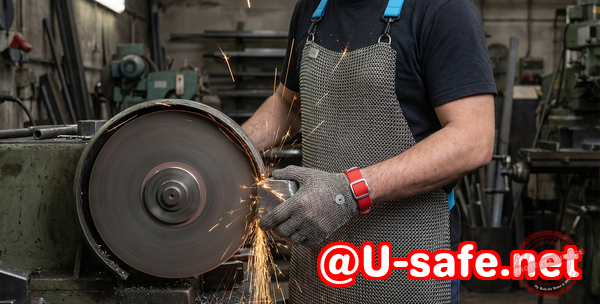
In this guide, I’ll walk you through the essential steps for selecting the right EN 1082 chainmail. We’ll cover everything from identifying welded rings to inspecting weave patterns and choosing the right stainless steel grade. By the end of this post, you’ll have all the tools you need to make an informed, confident purchase.
Why Chainmail Quality Matters
Chainmail, particularly when used for industrial purposes like cut protection or food processing, isn’t something you want to take shortcuts on. Poorly made chainmail can result in safety hazards, ineffective protection, or even a ruined investment. If you’re in the market for chainmailwhether for work or playit’s crucial to know how to evaluate quality before buying.
Imagine you’ve just bought a set of chainmail gloves for food handling. You’re looking for strong protection against cuts, but the gloves feel flimsy, and the rings seem to bend out of shape easily. You might not realize it yet, but you’ve just wasted your money on a low-quality product that could fail you when you need it most.
Aegimesh Chainmail products are specifically designed to give you peace of mind. Our guide and inspection tool help you evaluate the true quality of chainmail, from material and welds to ring sizes and weave patterns. Whether you’re protecting your workers in a hazardous environment or buying chainmail for your next cosplay, understanding how to spot high-quality products will save you time, money, and frustration.
Common Chainmail Pain Points and How to Solve Them
When evaluating chainmail, there are a few common problems that many buyers encounter. These challenges can leave you second-guessing your decision. Here’s a breakdown of the most frequent pain points and how Aegimesh’s quality inspection methods can help you avoid them:
1. Welded vs. Open Rings: Which One is Better?
A common issue many people face is distinguishing between welded and open rings. While open rings may seem like a cost-effective choice, they lack the strength and durability of welded rings. Open rings are more prone to coming apart under stress, especially in industrial or safety contexts.
How to Inspect:
Look for a smooth, uniform finish on the rings. If the ends of the rings are flush and neatly joined, you’re likely dealing with welded rings. Open rings, on the other hand, will have visible gaps where the ends meet.
Why It Matters:
Welded rings are much more reliable and durable, particularly for tasks that involve heavy use or risk. For safety, it’s always better to go with welded rings.
2. What Stainless Steel Should You Choose?
When it comes to chainmail, choosing the right stainless steel grade is crucial. Stainless steel is highly resistant to rust and corrosion, but not all stainless steel is created equal. The most common grades used for chainmail are 304 and 316 stainless steel.
304 Stainless Steel: This is the most common grade for general-use chainmail. It’s corrosion-resistant but may not hold up as well in harsh environments like marine or food-processing settings.
316 Stainless Steel: This grade is more durable and resistant to corrosion, especially in saltwater or acidic environments. It’s the preferred choice for industries like food processing or chemical handling.
How to Inspect:
Check the product specifications before purchase. Aegimesh offers both 304 and 316 stainless steel options, and we’ll help guide you to the right choice based on your specific needs.
Why It Matters:
Choosing the right grade of stainless steel ensures that your chainmail will hold up over time and resist corrosion, saving you money on replacements and avoiding dangerous situations.
3. Weak or Inconsistent Weave Patterns
Not all chainmail weaves are created equal. The weave pattern plays a huge role in the strength and effectiveness of your chainmail. A poor-quality weave can leave gaps that weaken the overall structure.
How to Inspect:
Check for consistency in the weave pattern. The European 4-in-1 weave is a standard for strong and durable chainmail. If the weave is irregular, or if rings are misaligned, you may be dealing with a lower-quality product.
Why It Matters:
A strong, consistent weave ensures the chainmail will hold together under pressure. If the rings are uneven or the pattern isn’t uniform, the chainmail is less likely to provide the protection you need.
4. Wire Thickness and Ring Diameter
It’s easy to overlook the wire thickness and ring diameter when inspecting chainmail, but these factors significantly affect its strength and durability. Thin wires or oversized rings can compromise the integrity of your chainmail, making it less effective as protection.
How to Inspect:
Examine the wire thicknessthicker wires generally indicate stronger chainmail. Also, measure the ring diameter and make sure it falls within the recommended range for your intended use.
Why It Matters:
The right wire thickness and ring diameter ensure that your chainmail offers maximum protection and durability.
How to Perform a Chainmail Quality Inspection
Now that we’ve covered some of the common issues, let’s look at some practical tips to help you perform a thorough chainmail inspection.
1. The Pull Test
One of the simplest ways to test the quality of chainmail is the pull test. Grab a handful of rings and give them a gentle tug. If the rings move or separate too easily, the weld may be weak, or the rings may not be welded at all.
2. Look for Signs of Corrosion
Check for any rust or discoloration, particularly on the rings and links. Corrosion is a sign of poor-quality material or insufficient coating. This is especially important in environments like food processing, where contamination is a serious concern.
3. Examine the Weave and Ring Alignment
Ensure that the weave pattern is consistent throughout the chainmail. Misaligned rings or irregular patterns are clear signs of poor craftsmanship.
4. Choose the Right Type for Your Purpose
Consider your needs before purchasing. If you’re buying chainmail for industrial or food processing use, go for 316 stainless steel with a European 4-in-1 weave. If it’s for cosplay or historical reenactments, 304 stainless steel with a decorative weave might suffice.
Conclusion: Make Informed Choices for Long-Lasting Quality
After going through these inspection steps, you’ll have the confidence to identify high-quality chainmail that’s durable, safe, and well-suited for your business or personal needs. I highly recommend following these steps to ensure that your chainmail purchases meet safety and durability standards. By checking material type, inspecting the welds, testing the strength, and evaluating the weave, you’ll be well on your way to making a smart, informed purchase.
For more detailed information and a complete guide on inspecting chainmail, check out Aegimesh’s comprehensive chainmail inspection guide here.
Frequently Asked Questions
-
How can I tell if a chainmail ring is welded or open?
Look for a smooth, uniform finish where the ends of the ring meet. Welded rings will be flush, while open rings will have a visible gap.
-
Which stainless steel grade is best for long-lasting chainmail?
316 stainless steel is ideal for harsh environments, while 304 stainless steel is sufficient for general use.
-
How do I inspect the weave pattern for strength?
Look for a consistent and uniform weave, such as the European 4-in-1 pattern. Irregularities in the pattern can weaken the chainmail.
-
What are the signs of low-quality or unsafe chainmail?
Weak welds, rust, irregular weaves, and inconsistent wire thickness are all signs of low-quality chainmail.
-
Can decorative chainmail be used for protective purposes?
Decorative chainmail may look good but is typically not as strong or durable as chainmail designed for protection. Always choose chainmail with welded rings and appropriate material for protection.
-
How do I choose the right chainmail for industrial vs. cosplay use?
For industrial use, go with 316 stainless steel and a strong weave like European 4-in-1. For cosplay, 304 stainless steel and a decorative weave might be sufficient.
-
What should I look for when inspecting wire thickness?
Thicker wires generally mean stronger, more durable chainmail. Thin wires can break more easily, especially under stress.
Tags
-
Chainmail quality
-
Welded rings
-
Stainless steel chainmail
-
Cut-resistant chainmail
-
Chainmail inspection
-
European 4-in-1 weave
-
Chainmail durability




 한국어
한국어  Русский
  العربية