


Why Healthcare Workers Should Consider Chainmail for Safety
Why Healthcare Workers Should Consider Chainmail for Safety
In any healthcare setting, safety is paramount. From managing sharp instruments to protecting oneself during high-risk procedures, the right protective gear can make all the difference. For healthcare workers, ensuring safety against cuts and abrasions from surgical tools or other sharp objects is a serious concern. But when you think of chainmail, you probably envision medieval knights, not the modern-day healthcare worker. Still, chainmail, especially when made from high-quality materials, offers a unique solution for medical professionals seeking reliable, long-lasting protection.
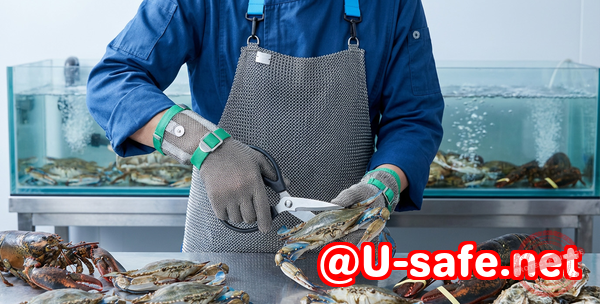
But with so many options out there, how can healthcare workers ensure they’re purchasing high-quality chainmail that offers real safety and durability? I’ve often struggled with the same dilemma when looking for protective gearhow do you distinguish between genuine, durable chainmail and inferior, decorative imitations? In this article, I’ll walk you through how to identify high-quality chainmail for your protection, including how to evaluate welded rings, choose the right stainless steel grade, and inspect the weave for strength.
Chainmail: The Unexpected Safety Solution for Healthcare Workers
When you hear “chainmail,” it’s easy to picture a suit of armor from a medieval battle, but chainmail has evolved. Today, chainmail can be a modern, practical solution for healthcare workers in high-risk environments, offering an additional layer of protection. Whether for use in surgery, in food processing environments, or in industrial workplaces where cuts are a constant risk, chainmail provides an effective way to safeguard against injuries. However, the real challenge lies in finding high-quality chainmail products that offer both protection and comfort.
Common Pain Points When Evaluating Chainmail
Buying chainmail isn’t as simple as picking up any product off the shelf. There are several common issues buyers face when it comes to evaluating chainmail for safety and durability. Let’s take a look at a few of them:
-
Welded Rings vs. Open Rings
One of the most common challenges when buying chainmail is distinguishing between welded and open rings. Open rings are more prone to damage and can easily come undone, which significantly reduces the effectiveness of the chainmail. Welded rings, on the other hand, offer a much higher level of durability and reliability.
-
Corrosion Resistance and Stainless Steel Grades
Not all stainless steel is created equal. Many manufacturers use lower-grade stainless steel for their chainmail products, leading to corrosion and degradation over time. If you don’t know what to look for, it’s easy to end up with a product that’s less durable than you expect. For healthcare professionals, this is a crucial factor because chainmail used in healthcare environments will be exposed to various cleaning and sterilization processes.
-
Weak or Inconsistent Weaves
Another common issue is a poorly woven chainmail pattern. Chainmail with weak or inconsistent weaves can compromise its protective abilities, making it less effective in safeguarding against cuts or punctures. It’s important to ensure that the weave pattern, such as the classic European 4-in-1, is uniform and tightly woven.
Aegimesh Chainmail: The Solution to Your Chainmail Woes
Thankfully, Aegimesh Chainmail offers a solution to these common pain points. With its high-quality construction and thorough inspection process, Aegimesh ensures that every product is reliable, durable, and safe for use in high-risk environments like healthcare. Here’s a breakdown of how to properly evaluate chainmail, and why Aegimesh is your go-to guide for making an informed purchase.
1. Material Quality: 304 vs. 316 Stainless Steel
When evaluating the material of the chainmail, it’s essential to consider the type of stainless steel used. Two common grades are 304 and 316 stainless steel.
-
304 Stainless Steel: This is the most common type used for general-purpose chainmail. It’s durable and resistant to corrosion, but it may not stand up to more rigorous conditions.
-
316 Stainless Steel: This grade is superior when it comes to corrosion resistance and durability, making it ideal for environments where chainmail is exposed to frequent sterilization or harsher chemicals, as is often the case in healthcare settings.
Aegimesh Chainmail products typically feature 316 stainless steel, ensuring that your chainmail will remain in top condition despite frequent exposure to harsh environments.
2. Welded Rings: A Key Indicator of Durability
The next step in evaluating chainmail is to check whether the rings are welded or open. Open rings are prone to coming apart, weakening the overall structure. Welded rings, however, are permanently bonded, which enhances durability and safety. When inspecting chainmail, run your fingers along the rings and check for any signs of them coming undone.
3. Ring Thickness and Diameter
Another important consideration is the wire thickness and the inner diameter of the rings. Chainmail with thicker wire and properly sized rings provides better resistance to cuts and abrasion. Aegimesh Chainmail products feature high-quality wire and optimal ring diameters, ensuring maximum protection.
4. Weave Pattern: European 4-in-1 for Strength
The weave pattern of the chainmail is another crucial aspect of its effectiveness. One of the strongest and most commonly used weaves is the European 4-in-1. This pattern involves four rings passing through one central ring, which offers superior strength and flexibility. When inspecting chainmail, make sure the weave is tight and consistent to ensure long-lasting durability.
Practical Tips for Inspecting Chainmail Quality
Now that we’ve covered the key aspects of inspecting chainmail, here are some practical steps you can take to ensure you’re making a high-quality purchase:
-
Perform a Pull Test: Gently tug on the rings to see if they hold together. If they feel loose or come apart, that’s a clear sign of low-quality construction.
-
Check for Corrosion: Especially when purchasing stainless steel chainmail, be sure to check for any early signs of corrosion. Look for discoloration or rust spots, which can indicate that the material isn’t as resistant to environmental factors as it should be.
-
Inspect the Weave Consistency: Run your fingers through the chainmail to check for any irregularities in the weave. A high-quality product will have a tight, even pattern.
-
Choose the Right Type for Your Needs: Consider your specific use casewhether it’s for industrial cut protection, food handling, or cosplay. Each use case may require different levels of durability or comfort, so choose a product that best suits your needs.
Conclusion: Making Informed Chainmail Purchases for Safety
When it comes to buying chainmail, especially for high-risk environments like healthcare, it’s essential to know what to look for to ensure you’re purchasing a product that’s both safe and durable. I highly recommend following the inspection steps outlined here to verify that any chainmail you purchase meets the necessary safety and durability standards. This simple process can save you money by helping you avoid low-quality products and ensuring you invest in a product that will perform when you need it most.
Want to Learn More?
For a detailed guide on how to identify high-quality chainmail products and avoid unsafe purchases, check out Aegimesh Chainmail.
FAQ
1. How can I tell if a chainmail ring is welded or open?
Simply inspect the ring. Welded rings have a visible seam where they were fused together. Open rings may have a slight gap or feel less stable when you run your fingers across them.
2. Which stainless steel grade is best for long-lasting chainmail?
For durability and resistance to corrosion, 316 stainless steel is the best option, especially in high-risk environments like healthcare.
3. How do I inspect the weave pattern for strength?
Look for a tight, uniform weave. The European 4-in-1 pattern is particularly strong and commonly used for its durability and flexibility.
4. What are the signs of low-quality or unsafe chainmail?
Look for signs of weak or inconsistent weaves, corrosion, or open rings. These indicate that the chainmail may not provide adequate protection.
5. Can decorative chainmail be used for protective purposes?
While decorative chainmail may look appealing, it’s not designed for the same level of durability and protection as industrial-grade chainmail. Always choose chainmail based on its intended use.
6. How do I choose the right chainmail for industrial vs. cosplay use?
For industrial use, prioritize durability, corrosion resistance, and comfort. For cosplay, focus on aesthetic appearance and flexibility.
Keywords:
chainmail quality, welded rings, stainless steel chainmail, cut-resistant chainmail, chainmail inspection, European 4-in-1 weave, chainmail durability






 한국어
한국어  Русский
  العربية