


Steel Metal Chainmail PPE for Sharp Tool Environments
Steel Metal Chainmail PPE for Sharp Tool Environments
When you’re working in an environment with sharp tools or dangerous equipment, safety is your top priority. Whether you’re handling food in a kitchen or working with industrial machinery, cut-resistant protection is essential. However, when it comes to choosing the right protective gear, especially chainmail, many buyers face a dilemma: How can you tell which chainmail is genuinely high-quality and safe to use? In this article, I’ll walk you through the essential steps to evaluate chainmail quality and ensure that your purchase meets the standards of durability, safety, and performance.
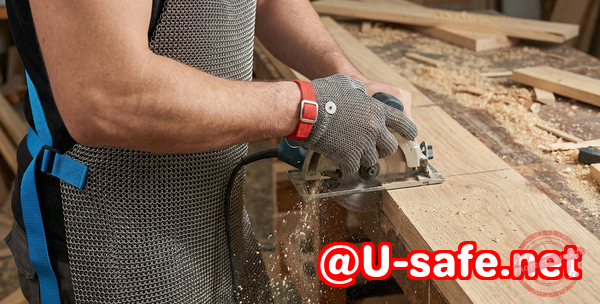
The Importance of High-Quality Chainmail for Sharp Tool Environments
Imagine you’re working in a high-risk environment like a butcher shop, a kitchen, or a factory where sharp tools and machinery are part of the daily routine. You’re looking for chainmail to protect yourself from cuts and abrasions. You find several options online, but how can you tell which ones are truly up to the task?
In my experience, one of the most common mistakes people make is assuming that all chainmail is the same. But not all chainmail is created equal. Some may be designed for decorative purposes or cosplay, and while they look great, they may not be up to the task of providing industrial-grade protection. Others may feature poor craftsmanship, with weak welds or flimsy materials that can fail under pressure.
That’s why it’s crucial to know what to look for when buying chainmail, especially if you’re investing in it for professional use. The last thing you want is to spend money on something that won’t keep you safe or won’t last.
Common Pain Points in Evaluating Chainmail Quality
When evaluating chainmail, many buyers face challenges such as:
-
Difficulty Distinguishing Welded Rings from Open Rings
It’s easy to mistake a high-quality welded ring chainmail for something that’s more decorative, which could pose safety risks. Open rings might look the same but can be much weaker and are not suitable for heavy-duty protection.
-
Uncertainty About Stainless Steel Grades
Stainless steel is the most common material for chainmail, but not all grades are equal. The difference between 304 and 316 stainless steel can have a significant impact on the durability and corrosion resistance of your chainmail.
-
Weak or Inconsistent Weaves
A strong chainmail weave, like the European 4-in-1, is critical for creating a protective barrier. A weak or inconsistent weave can make the chainmail less effective at absorbing impact or preventing cuts.
Aegimesh Chainmail: Your Guide to Quality
To avoid these pitfalls and ensure you’re getting the best chainmail, I recommend using Aegimesh Chainmail as a reference. Aegimesh’s products are specifically designed for real-world protection, whether you’re working in an industrial setting, handling food, or even engaging in cosplay or historical reenactments.
Here’s how to inspect chainmail for quality, step by step:
1. Check the Material Type: 304 vs. 316 Stainless Steel
The first thing to look for when evaluating chainmail is the material. Stainless steel is the most common material, but you need to ensure you’re getting the right grade. The two most common grades are 304 stainless steel and 316 stainless steel.
-
304 Stainless Steel: This is a good, cost-effective choice for general use. It offers decent corrosion resistance but is not as durable as 316.
-
316 Stainless Steel: This is the premium choice, especially for environments that involve exposure to moisture or chemicals. It offers better resistance to rust and corrosion and will last longer in harsher conditions.
When shopping for chainmail, I always recommend looking for 316 stainless steel, especially for industrial or food-processing environments. The extra investment pays off in long-term durability.
2. Inspect the Welds: Welded Rings vs. Open Rings
One of the most important features to check is the rings. The quality of the rings will directly affect the durability of your chainmail. There are two types of rings you might encounter:
-
Welded Rings: These are rings that have been fused together at the seam, forming a solid, continuous connection. Welded rings are much stronger and provide better protection because they are less likely to pull apart under pressure.
-
Open Rings: These are simply rings that are connected but not welded. While open rings may work fine for decorative purposes, they are not suitable for high-stress applications like cut protection.
To check for welded rings, simply look for the seam. If you can see a gap or if the rings appear loose, they’re likely open rings. A good pull test will also reveal how securely the rings are held together.
3. Examine the Wire Thickness and Ring Diameter
Another crucial factor in determining chainmail quality is the wire thickness and ring diameter. Thicker wires and smaller diameters generally contribute to stronger, more protective chainmail.
-
Wire Thickness: The thicker the wire, the more durable and resistant to cutting the chainmail will be. If the wire is too thin, the chainmail may fail under stress or impact.
-
Ring Diameter: The inner diameter of the rings should be consistent, as this affects the overall weave strength. If the rings are too large, the weave may become loose, reducing the effectiveness of the protection.
To inspect this, simply measure the wire thickness and ring diameter. For industrial or professional use, look for a chainmail that uses a thicker wire and smaller rings for maximum protection.
4. Evaluate the Weave Pattern: European 4-in-1
The weave pattern is the heart of chainmail’s strength. The most common and strongest weave pattern is the European 4-in-1, where each ring is woven through four others. This weave provides excellent strength, flexibility, and protection.
To check the weave, look at how the rings are interconnected. A European 4-in-1 weave should feel solid and tight, with no loose or uneven connections. If the pattern looks inconsistent or weak, it could compromise the chainmail’s protective abilities.
5. Conduct a Pull Test
One of the simplest ways to assess the strength of your chainmail is through a pull test. Grab a section of the chainmail and give it a firm pull. High-quality chainmail will be tightly woven and resistant to stretching or tearing. If the rings start to pull apart or the weave loosens, it’s a sign of poor craftsmanship or low-quality materials.
Benefits of Proper Inspection
By following these steps, you ensure that the chainmail you purchase is durable and fit for its intended purpose. Here are some of the key benefits:
-
Avoiding Unsafe Chainmail: Chainmail with poor welds, weak materials, or faulty weaves can fail in critical situations, putting you at risk.
-
Ensuring Durability: Proper inspection ensures that the chainmail will withstand wear and tear, saving you money in the long run by avoiding replacements.
-
Making Informed Choices: When you know how to assess chainmail, you can confidently select products that meet your safety and durability standards.
Conclusion: Invest in Quality, Invest in Safety
As someone who has spent years working with chainmail products, I highly recommend following these steps to ensure any chainmail purchase meets safety and durability standards. Whether you’re buying chainmail for industrial protection, food handling, or cosplay, it’s crucial to inspect the material, welds, wire thickness, and weave pattern before making your decision. Don’t waste money on low-quality products that could compromise your safety or fail when you need them most.
For more detailed guidance on inspecting chainmail, visit Aegimesh Chainmail and explore our comprehensive inspection guide today.
Frequently Asked Questions
1. How can I tell if a chainmail ring is welded or open?
Look for a visible seam in the ring. If you see a small, continuous line, it’s welded. If there’s a gap, it’s an open ring.
2. Which stainless steel grade is best for long-lasting chainmail?
For maximum durability, especially in harsh environments, opt for 316 stainless steel. It resists corrosion better than 304 stainless steel.
3. How do I inspect the weave pattern for strength?
Check for a consistent, tight European 4-in-1 weave. Any inconsistencies or loose rings can weaken the chainmail.
4. What are the signs of low-quality or unsafe chainmail?
Signs include weak welds, open rings, inconsistent wire thickness, or a loose, uneven weave.
5. Can decorative chainmail be used for protective purposes?
Not necessarily. Decorative chainmail may not meet the strength or durability required for protection, especially in industrial or food-processing environments.
6. How do I choose the right chainmail for industrial vs. cosplay use?
For industrial use, prioritize chainmail made from 316 stainless steel with a strong European 4-in-1 weave. For cosplay, aesthetic appeal might be more important than durability, but it’s still important to ensure the chainmail is well-made.
Tags or Keywords
chainmail quality, welded rings, stainless steel chainmail, cut-resistant chainmail, chainmail inspection, European 4-in-1 weave, chainmail durability





 한국어
한국어  Русский
  Deutsch