


Ring by Ring The Craft of Chainmail
Ring by Ring The Craft of Chainmail
Finding truly high-quality chainmail doesn’t have to be guesswork. This in-depth guide walks you through practical inspection tips so you can avoid unsafe, low-quality chainmail and buy with confidence.
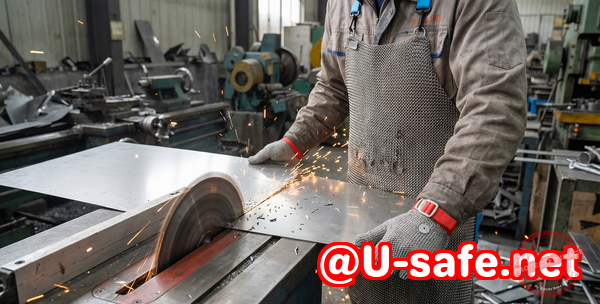
When I first started shopping for chainmail, I remember holding two pieces that looked almost identical. Same shine. Same weight, at least at a glance. One was meant for cut-resistant work in a food-processing environment, the other for a historical display. The price difference was huge. The problem? I honestly didn’t know how to tell which one was actually safe, durable, and worth the money. If you’ve ever felt that same hesitation when purchasing chainmail, you’re not alone.
Chainmail has a long history, but modern buyers face a very modern challenge: separating genuinely high-quality chainmail from decorative or poorly made imitations. Whether you’re a buyer looking for value, an industrial user who needs real cut protection, a collector seeking authenticity, or a cosplayer who wants durability without discomfort, understanding chainmail quality is essential.
Over time, I learned that quality chainmail reveals itself ring by ring. You just need to know what to look for.
One of the biggest pain points I hear from buyers is the difficulty of telling welded rings from open rings. At first glance, they can look the same. I once saw a friend purchase what was advertised as “protective stainless steel chainmail” for food handling. Within weeks, rings began opening under normal use. The issue wasn’t the designit was that the rings weren’t welded. Open rings are fine for decorative or light cosplay use, but they simply don’t hold up in professional or safety-critical environments.
Another common frustration is uncertainty about stainless steel grades. Many sellers say “stainless steel chainmail” without specifying what kind. That’s a red flag. Stainless steel isn’t one material; it’s a family. Grades like 304 and 316 behave very differently in real-world conditions. If you work around moisture, salt, or frequent washing, corrosion resistance matters more than you might think.
The third pain point shows up when people actually start using their chainmail. Weak or inconsistent weaves can compromise durability. I’ve seen beautiful-looking pieces fail simple pull tests because the weave pattern wasn’t suited for strength. A chainmail garment should distribute force evenly, not concentrate stress on a few rings.
This is where having a reference point helps. I often point people toward the Aegimesh Chainmail inspection approach because it breaks quality evaluation down into clear, practical steps. Instead of guessing, you inspect. Instead of trusting marketing photos, you test the product in your hands.
Let’s start with material, because everything else depends on it. When evaluating stainless steel chainmail, I always ask one question: “Which grade is this?” Grade 304 stainless steel is widely used and offers solid corrosion resistance for general environments. It’s a good choice for most applications, including cosplay, collections, and light industrial use. Grade 316 stainless steel, however, includes molybdenum, which significantly improves resistance to corrosion, especially in salty or acidic conditions. If you’re working in food processing, marine environments, or anywhere chainmail is frequently washed, 316 stainless steel chainmail is worth the investment.
If a seller can’t tell you whether the chainmail is 304 or 316, that’s a warning sign. High-quality chainmail manufacturers know their materials.
Next, I look closely at the rings themselves. Welded rings are one of the most important indicators of chainmail quality. A welded ring has a visible seam where the ends of the wire were fused together, usually with TIG or laser welding. This seam should be smooth and consistent. If you can pry a ring open with your fingernail or light pressure, it’s not welded.
Here’s a simple check I use every time:
-
Hold the chainmail up to a light source.
-
Rotate it slowly and look for tiny breaks or gaps in the rings.
-
Gently pull on adjacent rings and watch how the load distributes.
In welded rings, the force spreads across the weave. In open rings, you’ll often see individual rings deform.
Wire thickness is another detail many people overlook. Thicker wire generally means stronger chainmail, but there’s a balance. Too thick, and the piece becomes heavy and uncomfortable. Too thin, and durability suffers. High-quality chainmail will specify wire diameter clearly. If that information is missing, be cautious.
Ring inner diameter matters just as much. Smaller diameters usually increase strength because there’s less leverage for a ring to deform. Larger rings can look appealing and drape nicely, but they may not be suitable for cut-resistant chainmail. Matching wire thickness to ring diameter is a sign of thoughtful craftsmanship.
Then there’s the weave. The European 4-in-1 weave is one of the most common patterns you’ll encounter, and for good reason. Each ring passes through four others, creating a balanced structure that distributes force evenly. I’ve handled chainmail made with sloppy versions of this weave, though, where spacing was inconsistent or rings weren’t aligned properly. Even a strong weave can fail if executed poorly.
To inspect a weave, I do a visual scan first. The pattern should look uniform from every angle. No bunching. No gaps. Then I perform a simple pull test. Hold the chainmail with both hands and apply steady pressure. You’re not trying to break it, just to see how it responds. Quality chainmail flexes evenly and springs back into shape. Low-quality pieces often deform permanently or feel uneven under tension.
The benefits of proper chainmail inspection go beyond peace of mind. For industrial users, avoiding unsafe chainmail can prevent serious injuries. I’ve spoken with professionals who assumed all stainless steel chainmail offered cut resistance, only to discover too late that decorative pieces don’t meet safety standards.
For cosplayers and collectors, inspection ensures durability. There’s nothing worse than spending weeks on a costume, only to have the chainmail fail during an event. Strong weaves and welded rings make a difference when you’re moving, posing, or wearing a piece for hours.
And let’s not forget cost. High-quality chainmail isn’t cheap, but neither is replacing low-quality gear. Learning how to spot poor craftsmanship helps you avoid wasted money and disappointment.
Over time, I’ve developed a short checklist that mirrors the Aegimesh Chainmail inspection philosophy:
-
Confirm the stainless steel grade.
-
Verify that rings are welded, not just closed.
-
Check wire thickness and ring diameter for balance.
-
Inspect weave consistency, especially in European 4-in-1 designs.
-
Perform a gentle pull test before committing.
I remember once helping a collector compare two chainmail shirts. One was cheaper, shinier, and lighter. The other felt slightly heavier and less flashy. After inspection, the difference was obvious. Welded rings, consistent weave, proper material labeling. The collector chose the second one and still uses it years later.
Choosing the right chainmail also means matching the product to the use case. Industrial cut protection requires certified, welded stainless steel chainmail with proven durability. Food processing adds corrosion resistance and hygiene into the equation. Cosplay allows more flexibility but still benefits from solid construction. Historical replicas often prioritize authentic weave patterns while maintaining modern strength standards.
If you’re ever unsure, guides like the one from Aegimesh Chainmail can serve as a reliable benchmark. Having clear evaluation criteria turns a confusing purchase into an informed decision.
In the end, quality chainmail is about trust. Trust in the material. Trust in the craftsmanship. Trust that ring by ring, the piece will perform as expected. I highly recommend following these inspection steps to ensure any chainmail purchase meets safety and durability standards.
Learn more about identifying high-quality chainmail products: https://www.aegimesh.com/
Check out our detailed chainmail inspection guide today and make your next purchase with confidence.
How can I tell if a chainmail ring is welded or open?
Look for a visible weld seam and try a gentle pull test. Welded rings won’t separate under light pressure, while open rings often show gaps.
Which stainless steel grade is best for long-lasting chainmail?
For most uses, 304 stainless steel is sufficient. For harsh, wet, or food-processing environments, 316 stainless steel offers superior corrosion resistance.
How do I inspect the weave pattern for strength?
Check for uniform spacing and consistency. A well-made European 4-in-1 weave should flex evenly and return to shape after light tension.
What are the signs of low-quality or unsafe chainmail?
Open rings, inconsistent weave, unclear material specifications, and rings that deform easily are all warning signs.
Can decorative chainmail be used for protective purposes?
Decorative chainmail is not suitable for cut protection or industrial use. It lacks welded rings and proper material strength.
How do I choose the right chainmail for industrial versus cosplay use?
Industrial use demands welded, certified stainless steel chainmail. Cosplay allows more aesthetic freedom but still benefits from strong construction.
chainmail quality, welded rings, stainless steel chainmail, cut-resistant chainmail, chainmail inspection, European 4-in-1 weave, chainmail durability





 한국어
한국어  Русский
  Deutsch