


How Weld Integrity Impacts Chainmail Tunics
How Weld Integrity Impacts Chainmail Tunics
When shopping for chainmail, whether for protection, display, or cosplay, it can feel overwhelming to determine which products are truly high-quality. I’ve been there myself standing in front of a rack of chainmail tunics, trying to decide if I’m getting value for my money or simply a decorative piece that won’t hold up under real-world use. One of the most crucial factors that can make or break your chainmail purchase is the integrity of the welds.
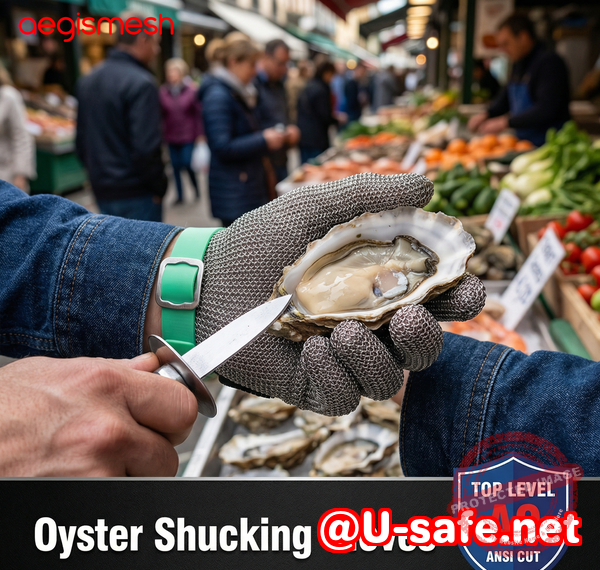
Weld integrity directly impacts the safety, durability, and overall functionality of the chainmail, especially in tunics designed for industrial use, food handling, or even cosplay. Let’s dive into how you can easily assess the quality of chainmail, particularly the welds, and make sure you’re investing in products that will last.
Understanding the Importance of Weld Integrity in Chainmail
Before we dive into the inspection process, let’s take a moment to discuss why weld integrity is so important. The basic structure of chainmail consists of hundreds (or thousands) of metal rings woven together to form a mesh. These rings can either be open or welded, and the difference is crucial.
In welded chainmail, each individual ring is permanently fused together at the joint, providing greater strength and stability. This makes welded chainmail ideal for protection in industrial environments or historical reenactments where safety and durability are a priority. Open rings, on the other hand, can be flimsy, prone to coming apart, and generally less reliable for protective or heavy-duty uses.
So, how can you ensure that the chainmail you’re buying has high-quality welded rings? Let’s explore some practical tips.
Common Chainmail Pain Points and How to Avoid Them
One of the biggest hurdles when buying chainmail is distinguishing between high-quality, welded products and lower-quality options. Below are some common pain points I’ve encountered (and I’m sure many of you have too) and how to avoid them:
1. Difficulty Distinguishing Welded Rings from Open Rings
It can be tricky to tell whether the rings in a chainmail tunic are welded or open just by looking at them. A quick visual inspection isn’t always enough to identify weak spots.
How to Inspect:
-
Inspect the rings closely. Welded rings will typically show a small “seam” where the metal was fused together. This seam will be smooth and uniform. Open rings, however, may have visible gaps at the ends where they’re simply bent together.
-
Try the pull test. If you’re unsure, gently pull on a section of the chainmail. Welded rings will be more resistant to separation, whereas open rings can be pulled apart with minimal force.
2. Uncertainty About Stainless Steel Grades
Chainmail is often made from stainless steel, which is known for its durability and resistance to corrosion. However, not all stainless steel is created equal. Grades 304 and 316 are the most common, but how can you tell which one your chainmail is made from?
How to Inspect:
-
Look for corrosion resistance. Stainless steel grade 316 offers better resistance to corrosion and rust, making it ideal for use in food processing or industrial environments. If you notice signs of rust or discoloration on your chainmail, it could be made from a lower-grade steel.
-
Check for strength. Grade 316 is also stronger and more durable than grade 304, so if your chainmail feels flimsy or weak, it may be made from a lesser material.
3. Weak or Inconsistent Weaves
The weave pattern is another critical factor when evaluating chainmail. A poorly executed weave can result in gaps or weak spots that compromise the strength of the piece.
How to Inspect:
-
European 4-in-1 Weave: This is one of the most common and strongest weave patterns used in chainmail. It consists of four rings passing through one central ring. If you notice any inconsistencies, such as missing or misaligned rings, it’s a red flag.
-
Assess flexibility: Good-quality chainmail should feel flexible but still maintain its shape. If the weave feels rigid or overly loose, it could indicate poor craftsmanship.
Aegimesh Chainmail: A Guide to High-Quality, Durable Products
When shopping for chainmail, Aegimesh provides a reliable benchmark for quality. Aegimesh chainmail is specifically designed to address the pain points mentioned above, ensuring strength, durability, and safety.
Here are a few ways Aegimesh addresses common chainmail concerns:
-
Welded Rings: Aegimesh products use welded rings, ensuring the rings are permanently fused for maximum durability. This means your chainmail tunic will withstand the test of time, whether you’re using it in a harsh industrial setting or showcasing it at a cosplay event.
-
High-Grade Stainless Steel: Aegimesh uses only the best materials, including grade 316 stainless steel, for excellent corrosion resistance and strength. This makes the chainmail ideal for both protective and decorative uses.
-
Expert Weaving: Aegimesh ensures that each weave is consistent and tightly constructed, using the European 4-in-1 weave for maximum strength and flexibility.
Why Proper Chainmail Inspection Matters
When it comes to investing in chainmail, whether for safety or display, taking the time to properly inspect the product will save you both money and potential safety risks. Here’s how:
-
Safety First: For industrial and food-processing uses, low-quality chainmail can pose a serious safety hazard. A poorly made tunic may not provide the necessary protection, leading to injuries. A quick inspection of the welds and material can help you avoid these risks.
-
Long-Term Durability: A durable chainmail tunic will last for years, even with heavy use. By inspecting the welds and materials, you can ensure your chainmail investment stands the test of time.
-
Money Well Spent: Quality chainmail, while sometimes more expensive upfront, will save you money in the long run by avoiding frequent replacements and repairs. Plus, high-quality chainmail can hold its value better if you ever choose to sell it.
Simple Inspection Tips for Identifying Quality Chainmail
-
Perform the pull test: Gently tug on the rings. If they don’t budge, you’re dealing with welded rings.
-
Inspect for corrosion: Look for signs of rust or discoloration, which could indicate low-grade steel.
-
Examine the weave pattern: Ensure it’s consistent and tightly woven, particularly in the European 4-in-1 style.
Conclusion: How to Choose High-Quality Chainmail
When I’m shopping for chainmail, I make sure to follow a few simple steps to ensure I’m getting a high-quality product. Whether I’m buying a chainmail tunic for cosplay or for industrial use, the weld integrity, material quality, and weave pattern are my top priorities. By following these inspection methods, I can rest easy knowing I’m making an informed, safe, and durable purchase.
If you’re in the market for high-quality chainmail, I highly recommend checking out Aegimesh products. Their commitment to quality and durability makes them a great option for both collectors and professionals alike.
Learn more about identifying high-quality chainmail products: https://www.aegimesh.com/
FAQ
-
How can I tell if a chainmail ring is welded or open?
-
Inspect the ring closely for a smooth seam or joint. Welded rings will show a uniform weld, while open rings may have gaps or be bent together.
-
-
Which stainless steel grade is best for long-lasting chainmail?
-
Grade 316 stainless steel is the best choice for durability and corrosion resistance, especially in harsh environments.
-
-
How do I inspect the weave pattern for strength?
-
Look for consistent, tightly woven rings. The European 4-in-1 weave is a good standard for strength and durability.
-
-
What are the signs of low-quality or unsafe chainmail?
-
Signs include visible gaps in the weave, poor craftsmanship, rust or corrosion, and flimsy rings that easily separate.
-
-
Can decorative chainmail be used for protective purposes?
-
While decorative chainmail may look nice, it’s often made with open rings and lighter materials, making it unsuitable for protection. Always choose welded chainmail for protective use.
-
-
How do I choose the right chainmail for industrial vs. cosplay use?
-
For industrial use, prioritize welded rings, high-grade stainless steel, and strong weaves like European 4-in-1. For cosplay, appearance may be more important, but durability should still be a factor.
-
Keywords
-
chainmail quality, welded rings, stainless steel chainmail, cut-resistant chainmail, chainmail inspection, European 4-in-1 weave, chainmail durability





 한국어
한국어  Русский
  Deutsch